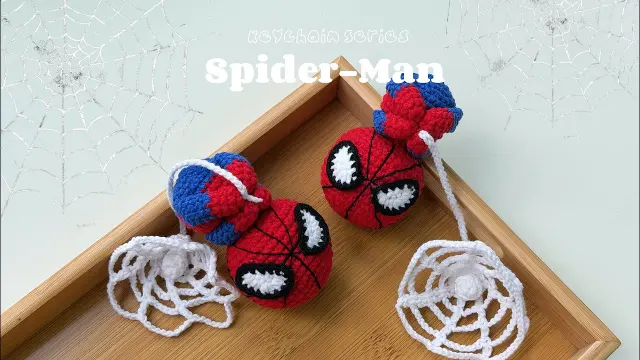
 Crochet a Spider-Man Amigurumi Doll With a Spider Web
#Spider-Man Doll
1 ideas
Crochet a Spider-Man Amigurumi Doll With a Spider Web
Get new #Spider-Man Doll ideas by email
Every Thursday: the week's best ideas, with the newest from #Spider-Man Doll.
Related tags
Spider-Man Dolls: A Guide to Making and Collecting
A Spider-Man doll is a soft or sculpted figure of the comic-book hero, made to be held, displayed or given away. The character himself belongs to the world of superhero comics, but the doll is usually a fan object: something a maker builds by hand because the shape is simple, the colours are unmistakable, and the result is instantly recognisable to anyone who sees it. That combination of bold design and easy geometry is why the character turns up so often in craft projects.
Where these dolls come from
Handmade soft figures have a long tradition in many cultures, and the small stuffed toy is one of the oldest forms of homemade gift. The crocheted version descends from amigurumi, the Japanese practice of working small stuffed figures in tight rounds of single crochet. Sewn plush, needle-felted figures and simple cloth dolls all follow their own lineages. What unites them is the idea of shrinking a well-known character down to something soft, portable and personal.
Kinds you will come across
Read more
- Crochet amigurumi: worked in the round from the head down or in joined pieces, then stuffed and assembled.
- Sewn plush: cut from felt or cotton, stitched and turned, often with appliquéd suit panels.
- Needle felting: wool fibres jabbed into shape, giving a dense, sculptural look.
- Cloth and rag dolls: flat or lightly stuffed bodies, easier for very young makers.
- Sculpted figures in clay or polymer, made for the shelf rather than the hand.
The visual essentials
The costume does most of the work. A red head and torso, blue limbs and sides, and a web pattern across the red areas read as the character even in the roughest version. The mask lenses are the focal point: two large white or silver shapes with a dark outline, angled slightly to give the face expression. Get the eyes right and the rest forgives a lot. Body proportions matter too. A large head with a smaller body reads as a doll rather than a figurine, which usually suits the medium better.
Practical tips for a first attempt
Choose a yarn or fabric you can actually see your stitches in; dark colours hide them. Work your crochet stitches firmly so the stuffing does not show through, and stuff lightly at first, adding more until the shape holds without bulging. For anything a small child will handle, embroider the eyes and web lines in thread rather than using plastic safety eyes or glued pieces. If you add wire to make the limbs poseable, keep it fully enclosed in padding and never put it in a toy for a baby.
Sketch the figure before you start, decide which parts are separate pieces, and lay them out before joining. Most disappointment comes from assembling too early, not from the stitching itself.
#Spider-Man Doll: frequently asked questions
How do I start making a Spider-Man doll if I have never made a doll before?
Begin with a simple soft version rather than a sculpted one, since a stuffed figure forgives uneven stitching and lets you learn shaping as you go. Sketch the hero front-on first, break him into head, body, arms and legs, and decide which pieces you will join and which you will work as one. Practice on a plain shape until your stitches sit evenly, then attempt the costume colours.
What supplies do I need to make one?
You need something to build the body from, something to fill it with, and a needle or hook that matches your material. Red and blue yarn or fabric do most of the visual work, with white or silver for the mask lenses and a dark thread for the outlines and web lines. Add a small pair of scissors, pins, and a pencil for your sketch, and you have everything a first doll requires.
Which kind of Spider-Man doll should I choose: crochet, sewn plush, felted, or clay?
Pick the method that matches both your patience and who will end up holding the doll. Crochet and sewn plush give a soft, huggable result and suit children, while needle felting and sculpted clay produce a firmer figure that belongs on a shelf. If the doll is a gift for a very young child, favour a soft construction with everything embroidered rather than glued or plastic.
How should I care for a handmade Spider-Man doll?
Spot clean with a damp cloth wherever you can, since washing a stuffed figure can shift the filling and distort the shape. If it must be washed, use cool water, handle it gently, and reshape it while damp, drying it away from direct heat. Brush felted surfaces lightly to lift fibres, and keep sculpted figures out of strong sun so the colours hold.
What occasions suit a Spider-Man doll as a gift or project?
It works well as a birthday present for a superhero-mad child, a handmade baby gift in a soft flat style, or a small desk companion for an adult fan. It also makes a good group craft for a themed party, or a decoration for a comic-inspired shelf or costume display. Because the design is so recognisable, the doll reads clearly however simple your version is.
What are the most common mistakes people make with this project?
The usual culprit is assembling the parts too soon, before the head and body hold their shape properly. Stitches worked loosely let the filling show through, and heavy stuffing too early makes the seams bulge instead of rounding. Another frequent slip is rushing the mask lenses, which carry most of the character's expression and deserve the most care.
Videos come from YouTube and posts from Instagram; titles and summaries are our own. All rights belong to their creators.