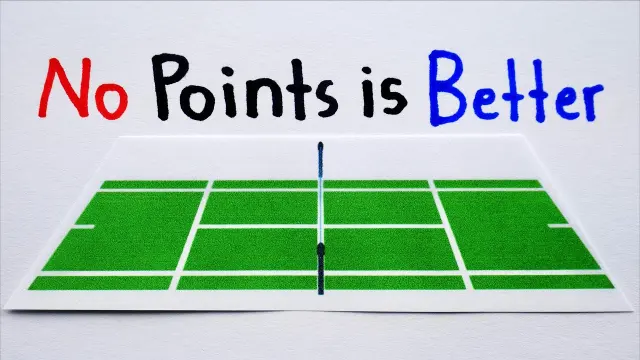
 The tennis score paradox in probability and scoring
#Sports Math
1 ideas
The tennis score paradox in probability and scoring
Get new #Sports Math ideas by email
Every Thursday: the week's best ideas, with the newest from #Sports Math.
Related tags
Sports Math: The Numbers Behind the Game
Sports math is the use of numbers to understand, measure, and improve sport. It shows up in scoring, timing, rankings, records, and strategy, from the simplest tally of points to the careful analysis of probability and performance. Whether you are following a match, coaching a team, or just curious about how a game works, sports math helps make sense of what happens on the field, court, track, or pitch.
What sports math includes
At its most basic, sports math is about counting and comparing. You may see it in points, goals, sets, laps, distances, and time. It also appears in averages, percentages, ratios, and percentages of success, such as shooting accuracy, pass completion, or win-loss records.
More advanced sports math looks at patterns in performance. It can help answer questions like how likely a team is to win, how many points a player typically contributes, or how scoring systems affect the outcome of a game. In some sports, even a small change in rules or scoring order can create surprising results, so probability becomes especially important.
Read more
Where it comes from
People have always used numbers in sport, even before modern statistics existed. Timed races, counted points, and measured distances are all forms of math. As sports became more organized, numbers became more important for records, standings, training, and fair comparison.
Over time, coaches, players, and analysts began using math more deliberately. They started keeping detailed statistics, comparing opponents, and studying patterns in play. Today, sports math is part of everything from scoreboard calculations to long-term performance analysis.
Main uses in sport
Sports math is used for many practical purposes:
- To keep score and determine winners
- To track player and team performance
- To compare athletes across games or seasons
- To estimate chances and outcomes
- To guide tactics and decision-making
- To measure improvement over time
It can also help you understand the game more deeply as a fan. For example, numbers may reveal whether a team is consistent, whether a player performs better under certain conditions, or whether a scoreline reflects a close contest or a dominant one.
What beginners should know
You do not need advanced math to start using sports math. A solid understanding of addition, subtraction, division, percentages, and basic probability goes a long way. If you want to follow sports statistics, focus on a few simple questions first: How is the score calculated? What does this percentage mean? Is this average based on one game or many?
A useful habit is to look at numbers in context. A high score or strong average means less if you do not know how it was achieved. Different sports also use different systems, so always check what a stat really measures.
Practical tips
- Start with one sport and learn its basic scoring rules.
- Pay attention to averages, totals, and percentages before moving to more complex stats.
- Compare numbers over several games, not just one result.
- Remember that numbers explain part of the story, not all of it.
- Use probability carefully: it can suggest likely outcomes, but sport always leaves room for surprise.
Sports math makes games more understandable and often more interesting. Once you begin noticing the numbers behind the action, you may find that every match has another layer to explore.
Videos come from YouTube and posts from Instagram; titles and summaries are our own. All rights belong to their creators.