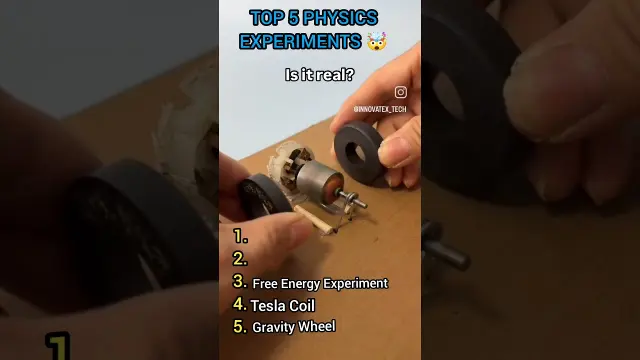
 Five Physics Experiments That Look Like Magic
#STEM
4 ideas
Five Physics Experiments That Look Like Magic
 What Computer Science Really Is, Beyond Writing Lines of Code
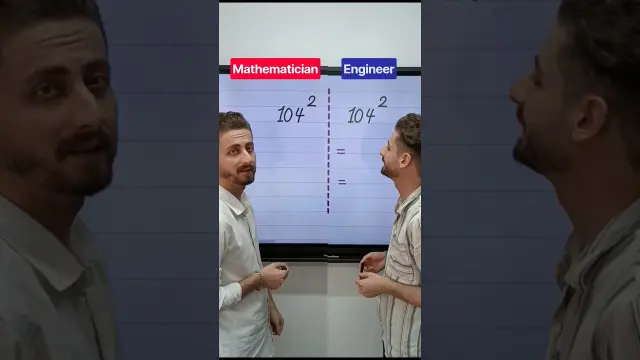 Engineer and Mathematician Take On the Same Puzzle
 The Engineering Design Process Explained in Six Simple Steps
Get new #STEM ideas by email
Every Thursday: the week's best ideas, with the newest from #STEM.
Related tags
STEM: Science, Technology, Engineering, and Math
What STEM means
STEM stands for science, technology, engineering, and mathematics. It is a broad way of grouping subjects and activities that focus on understanding how things work, solving problems, and using knowledge in practical ways. You’ll see the term in education, careers, hobbies, and everyday life.
STEM is not one single subject. It is a connected approach to learning and working. Science helps you explore the natural world. Technology gives you tools and systems to apply ideas. Engineering uses design and problem-solving to build useful things. Mathematics provides the language for measuring, modeling, and reasoning.
Where STEM comes from
Read more
The idea behind STEM grew from the long-standing connection between these four fields. In real life, they often overlap. A scientist may use math to analyze data. An engineer may rely on technology to test a design. A student learning one part of STEM often ends up touching the others too.
Because these subjects are practical as well as academic, STEM has become an important part of school learning and career preparation. It can also be a useful mindset for home projects, crafts, gardening, cooking, and other hands-on activities.
What STEM is used for
STEM is used wherever people need to observe, create, calculate, or improve something. That includes designing buildings, making software, studying the environment, developing machines, planning transport, and solving everyday problems.
You do not need to be a professional to use STEM thinking. If you compare options, test an idea, measure a result, or try to make something work better, you are already using parts of it.
Main parts of STEM
- Science: observing the world, asking questions, and testing ideas
- Technology: using tools, devices, and systems to make tasks easier or more effective
- Engineering: designing and building solutions to meet a need
- Mathematics: working with numbers, patterns, logic, and measurement
These areas often work best together. A good STEM project usually involves curiosity, planning, trial and error, and careful checking.
What beginners should know
If you are new to STEM, start simple. You do not need advanced equipment or special knowledge to begin. Look for chances to notice patterns, ask why something happens, and try small experiments. Keeping a notebook can help you record ideas, sketches, measurements, and results.
A few helpful habits:
- Ask clear questions
- Break big problems into smaller steps
- Test one change at a time
- Pay attention to what did and did not work
- Be willing to revise your idea
Mistakes are part of STEM learning. They often show you what to adjust next.
Practical ways to explore STEM
You can explore STEM through schoolwork, puzzles, building projects, nature walks, coding, sewing, cooking, or simple repairs. The key is to stay curious and hands-on. Try to explain what you notice, predict what might happen, and check your thinking against the result.
STEM is useful because it trains both the mind and the hand. It helps you learn how to think carefully, solve problems, and turn ideas into something real.
#STEM: frequently asked questions
How can a beginner start learning STEM at home?
Start with simple questions, small experiments, and everyday observations. You do not need special equipment to begin; a notebook, curiosity, and a willingness to test ideas are often enough.
What do I need for a STEM project?
Most STEM projects need a clear question, a basic plan, and something to measure or build with. Depending on the activity, that might be simple tools, household materials, or a device that helps you test your idea.
Which area of STEM should I choose first?
Choose the area that matches what you enjoy most, whether that is exploring nature, using tools, solving puzzles, or working with patterns and numbers. Since the fields connect, starting with one often leads naturally into the others.
How do I care for a STEM project so it works well?
Keep track of your steps, check your results carefully, and make small changes one at a time. If something goes wrong, treat it as useful information and adjust your design or method.
What are some good STEM activity ideas for a creative occasion or family project?
Try hands-on activities like simple experiments, building challenges, coding games, cooking projects, or repairs around the home. These kinds of projects are a fun way to mix creativity with problem-solving.
What are the most common mistakes people make in STEM projects?
A common mistake is trying to do too much at once instead of breaking the problem into smaller steps. Another is changing several things at the same time, which makes it harder to know what actually worked.
Videos come from YouTube and posts from Instagram; titles and summaries are our own. All rights belong to their creators.