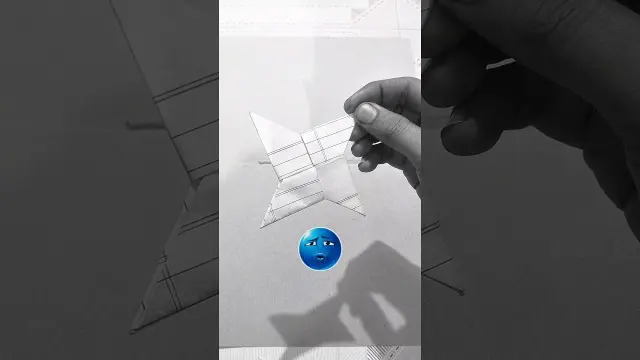
 Step by Step Paper Ninja Star Project for Beginners
#Step by Step
2 ideas
Step by Step Paper Ninja Star Project for Beginners
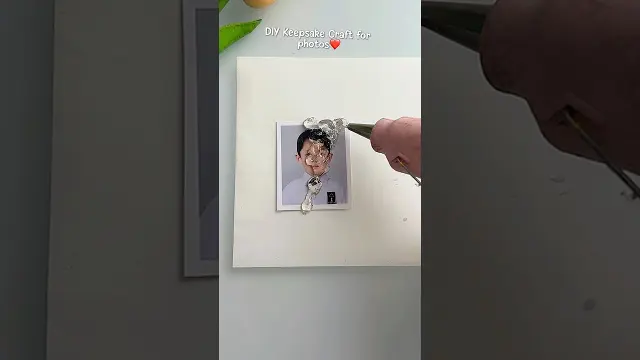 Step by Step Pencil Drawing Tutorial of a Face
Get new #Step by Step ideas by email
Every Thursday: the week's best ideas, with the newest from #Step by Step.
Related tags
Step-by-Step Learning and Making
What step-by-step means
Step-by-step is a way of teaching or learning that breaks a task into small, clear actions. Instead of trying to do everything at once, you follow one stage at a time until the work is finished. This method is used in countless areas, from drawing and crafts to cooking, sewing, home projects, and simple beauty routines.
Its strength is clarity. When a task feels complicated, a sequence of small steps makes it easier to understand, remember, and repeat. That is why step-by-step guides are so helpful for beginners, and also for experienced people who want to work neatly and confidently.
Why this method is so useful
Read more
Many skills become much less intimidating when they are divided into stages. A step-by-step approach helps you:
- see the order of the work
- avoid missing important parts
- correct mistakes sooner
- build confidence as you progress
- repeat the same result more easily next time
It is especially useful for visual tasks, where seeing the process matters as much as reading about it. A good sequence shows not only what to do, but also when to do it.
Common kinds of step-by-step guides
Step-by-step instructions can be found in many forms. Some are short and practical, while others are more detailed and visual. You might see them as:
- numbered instructions
- photo tutorials
- illustrated guides
- simple checklists
- process diagrams
Different tasks call for different levels of detail. A quick home task may only need a few steps, while a more creative project may need closer guidance from start to finish.
What makes a good step-by-step process
A good guide usually begins with the basic starting point and ends with the finished result. The steps should follow a logical order and avoid skipping too far ahead. For the reader, it helps when each step is clear, manageable, and focused on one action at a time.
If you are following a tutorial, take a moment before you begin to gather what you need and read through the whole process first. That small habit can save time and make the work feel much smoother. If you are creating your own instructions, imagine that someone is doing the task for the first time and needs each stage to be easy to follow.
Tips for beginners
If you are new to a skill, start with a simple version before moving on to more advanced variations. Keep your first attempt relaxed and focused on learning rather than perfection. It also helps to pause after each step and check whether the result looks as expected before continuing.
When something seems unclear, slow down rather than rushing ahead. Step-by-step work is not about speed; it is about steady progress. With practice, you begin to see patterns, and the same process that once felt detailed and careful starts to feel natural.
#Step by Step: frequently asked questions
What does it mean to do something step by step?
It means breaking a task into small, clear actions and finishing each one before moving to the next, instead of trying to do everything at once. This keeps the work organised and makes a complicated project feel manageable, because you always know what comes next.
How do I get started with a step-by-step project as a beginner?
Read the whole guide through first and gather everything you need before you begin, so you are not interrupted halfway. Then take the simplest version of the project and work slowly, pausing after each stage to check that the result looks the way it should before you continue.
Which kind of step-by-step guide should I choose?
Match the format to the task and to how you learn best: short numbered lists suit quick home jobs, while photo tutorials, illustrated guides or process diagrams help with visual work like drawing, sewing or crafts. If a project is new to you, a more detailed and visual guide is usually the safer choice.
What are common mistakes people make when following instructions?
The usual slips are rushing ahead without reading the full process, skipping a stage because it seems obvious, and not checking the result before carrying on. Another frequent problem is starting before the materials are ready, which breaks the flow and often forces you to undo work.
How can I use step-by-step ideas for a specific occasion or project?
Pick a tutorial that ends in something close to what you actually want, then adapt the middle stages rather than the overall order. Keeping the sequence intact matters more than copying every detail, so you can change colours, sizes or materials while still finishing with a neat result.
Will step-by-step work start to feel easier with practice?
Yes, repetition is what turns a careful sequence into a natural habit. After a few attempts you begin to recognise the patterns behind the stages, need the guide less, and can move on to more advanced variations with confidence.
Videos come from YouTube and posts from Instagram; titles and summaries are our own. All rights belong to their creators.