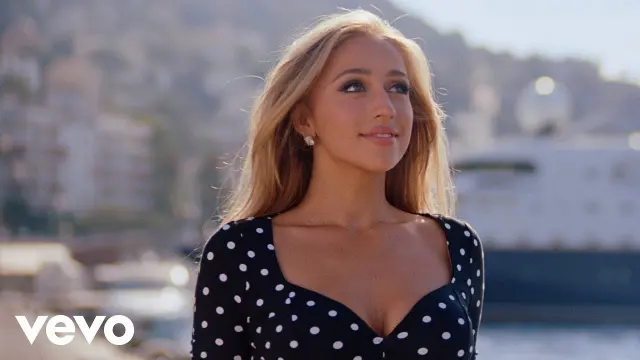
 Tate McRae Housewife Official Music Video and Release
#Tate McRae
1 ideas
Tate McRae Housewife Official Music Video and Release
Get new #Tate McRae ideas by email
Every Thursday: the week's best ideas, with the newest from #Tate McRae.
Related tags
Tate McRae: Dance, Pop and Songwriting Explained
Tate McRae is a Canadian singer, songwriter and dancer who moved from competitive dance and a following built on the internet to a career as a recording and performing artist. Her work sits at the meeting point of pop songwriting and choreography, and that combination is what most people mean when they tag something with her name: a sound, a movement vocabulary, and a particular mood that is equal parts confident and rueful.
The dance foundation
Before the microphones, there was the studio. Years of training in styles such as jazz, contemporary and hip-hop gave her a technical base that shapes everything she does on stage. Dance training teaches timing, musical phrasing, stamina and the discipline of learning choreography quickly — skills that transfer directly to performing live. If you watch a clip and wonder why the movement looks so deliberate, that is the answer: the body was trained long before the songs existed.
The songwriting
Read more
Her lyrics lean conversational, often built around small domestic details and the awkward aftermath of feelings rather than grand declarations. The voice is light and slightly breathy, used with restraint, which lets a line land without overselling it. Stylistically the songs tend toward pop with a dance undercurrent, sometimes stripped back to near-acoustic, sometimes pushed forward by a beat built for movement. That range matters for the hashtag: the same artist can sit behind a quiet lyric edit or a full choreography video.
Why people tag it
Three uses dominate. First, style and outfit inspiration — the performance aesthetic tends toward clean lines, strong silhouettes and dance-friendly pieces. Second, movement: dancers learn and film short routines, often in small spaces, with a phone and a mirror. Third, feeling: lyrics are quoted in edits, captions and moodboards because they put words to something the writer was too proud to say out loud.
If you want to try it yourself
- Start with a short section you can truly finish. Eight counts done cleanly beat a full routine done halfway.
- Learn the choreography slowly, without music, then add the track. Speed hides hesitation; a slow pass exposes it.
- Film from a low, steady angle and keep your whole body in frame. Good light matters more than a good camera.
- If you write instead of dance, borrow the habit of specifics: name the object, the room, the time of night. Vagueness is the usual reason a lyric feels flat.
- Practise singing and moving together in small pieces. Multitasking is a skill that is built, not discovered.
Her name is also shorthand for a generation of pop performers who treat dance as central rather than decorative, which is exactly why the tag keeps filling up with clips of people trying to keep up.
#Tate McRae: frequently asked questions
How do I start if I've never danced before but want to try a Tate McRae routine?
Begin with a short section rather than a whole routine — a handful of counts done cleanly will teach you more than a long sequence done halfway. Learn the steps slowly with no music first, then add the track once the movement feels automatic. Speed hides hesitation, so a slow pass is what actually shows you where you're guessing.
What do I need to film a dance clip at home?
Very little: a phone, a mirror, and a patch of floor big enough to move in. Prop the phone low and steady, keep your whole body in frame, and prioritise good light over a good camera. Small spaces work fine as long as the angle is consistent.
Should I pick a stripped-back song or a beat-driven one for my first routine?
Her work ranges from near-acoustic to full movement tracks, so choose based on what you want to show. A beat-driven track gives you clear cues to hit and makes timing easier to learn; a quieter song puts the focus on phrasing and control, which is harder to fake. If you're new, the stronger beat is usually the kinder choice.
How do I get the performance look without buying a whole new wardrobe?
The aesthetic leans on clean lines, strong silhouettes and pieces you can actually move in. Start with what's already in your closet — something fitted enough to show the shape of the movement, and simple enough not to distract from it. Dance-friendly beats decorative every time.
I write more than I dance. How do I get that same mood into a caption or lyric?
Borrow the habit of specifics: name the object, the room, the time of night. Grand declarations tend to fall flat, while small domestic details let a feeling land without overselling it. Vagueness is the usual reason a line reads as empty.
What's the most common mistake people make when learning choreography?
Trying to learn everything at once with the music already playing. The steps get blurred together and the timing is carried by the track instead of by you. Break it into small pieces, take it slow and silent, and practise singing and moving together only once each part is solid on its own.
Videos come from YouTube and posts from Instagram; titles and summaries are our own. All rights belong to their creators.