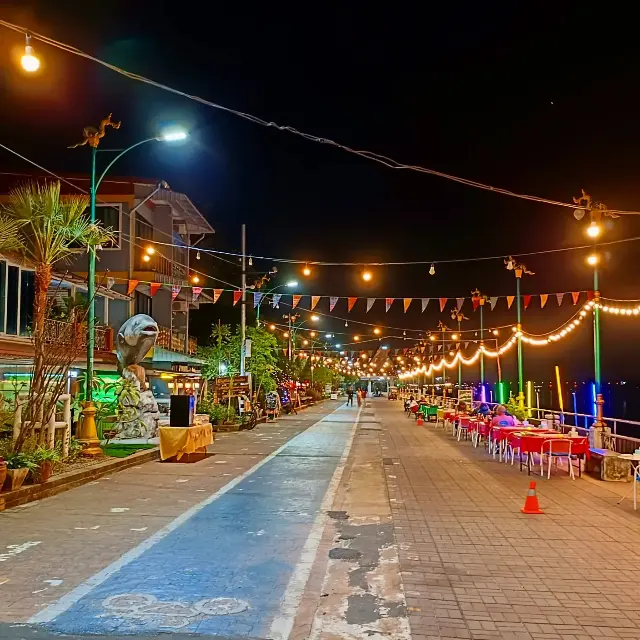
 Evening riverside walk along the Mekong River in Thailand
#Thailand Travel
2 ideas
Evening riverside walk along the Mekong River in Thailand
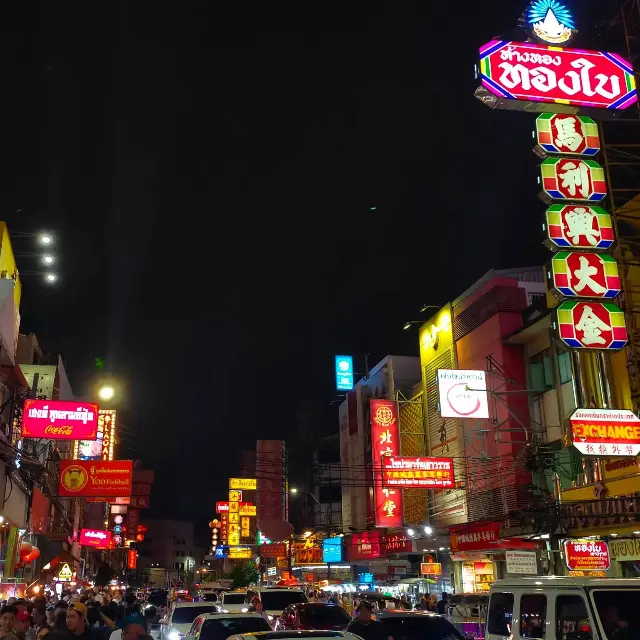 Night walking and street food exploration in Bangkok
Get new #Thailand Travel ideas by email
Every Thursday: the week's best ideas, with the newest from #Thailand Travel.
Related tags
Thailand Travel: A Guide to Planning Your First Trip
Thailand sits at the centre of mainland Southeast Asia, and it has long drawn travellers for a simple combination of things: Buddhist temples and palace architecture, long coastlines and forested mountains, food sold on every corner, and a travel network that makes moving around genuinely easy. It is a country where a comfortable journey is possible on almost any budget, and where the pace of daily life rewards you for slowing down.
A country of distinct regions
Thailand is not one place but several, and the travelling you do depends on which you choose. The north is mountainous, with cooler mornings, walled old cities, teak houses and temples whose roofs sweep low over the ground. The central plains, watered by rivers and canals, hold the largest cities and the richest farmland. The northeast, known as Isan, is a broad plateau of rice fields and small towns, with food that is boldly sour and spicy. The south stretches into two coastlines, one on each side of the peninsula, both lined with limestone cliffs, beaches and islands.
When to go
Read more
Three broad seasons shape the year: a cooler, drier stretch; a hot stretch before the rains; and the rainy months. The cool season is the most popular for travel, and the rainy season brings short, heavy downpours rather than constant grey skies, along with greener landscapes and quieter roads. The two southern coasts do not experience rain in quite the same rhythm, so it is worth checking which side you plan to visit.
Getting around
Domestic flights link the main cities, while overnight trains and long-distance buses cover the country more slowly and more cheaply. In towns you will find shared pickups, converted trucks that run fixed routes, three-wheeled taxis and motorbike taxis. Ferries and longtail boats connect the islands. Traffic moves on the left, and hiring a scooter is only sensible if you are experienced and insured.
Eating well
Food is one of the main reasons people return. Each region cooks differently, and the best meals are usually found where the locals are queuing: market stalls, shophouse kitchens, roadside grills. Sit down, order a couple of dishes to share, and ask for less chilli if you need to. Street food is generally safe where turnover is high and food is cooked to order.
Temples and everyday manners
When visiting temples, cover your shoulders and knees, remove your shoes before entering, and never point your feet toward a Buddha image or another person. A smile and a calm manner carry you a long way in any awkward moment. The monarchy is deeply revered, and visitors are expected to treat any reference to it with respect.
Practical tips for a first trip
- Carry some cash for markets and small vendors, even in cities where cards are common.
- Drink bottled or filtered water and stay hydrated in the heat.
- Pack sun protection and insect repellent.
- Learn a few polite phrases in Thai; the attempt is always appreciated.
- Agree a fare before getting into an unmetered vehicle.
- Arrange travel insurance before you go, particularly if you plan to ride a scooter.
#Thailand Travel: frequently asked questions
How do I start planning a first trip to Thailand?
Begin by deciding which part of the country you actually want, because the north, the central plains, the northeast and the two southern coastlines each offer a very different journey. From there, match your trip to the seasons and pick a base or two rather than trying to cover everything at once. Booking transport and a first night's accommodation ahead gives you a calm arrival, and the rest can be arranged as you go.
What do I need to arrange before I go?
Sort out your travel insurance before you leave, especially if you plan to ride a scooter, and check the entry requirements that apply to your passport well in advance. Pack light, breathable clothing plus something that covers your shoulders and knees for temples, along with sun protection and insect repellent. Carry a little cash for markets and small vendors, since cards are not accepted everywhere.
Which part of Thailand should I choose?
The north suits travellers who want mountains, cooler mornings and old walled cities, while the central plains hold the biggest cities and the busiest markets. The northeast is quieter and known for bold, sour and spicy food, and the south offers beaches and islands along two separate coastlines. Think about the pace you want and the food and landscape you are drawn to, then build the trip around that.
What should I know about temples and local manners?
Cover your shoulders and knees, take your shoes off before entering temple buildings, and avoid pointing your feet at a Buddha image or at another person. Speak calmly and smile when something is awkward, and treat any reference to the monarchy with respect. Learning a few polite phrases in Thai is a small effort that is genuinely appreciated.
How do I eat well and safely?
Go where the locals are queuing, whether that is a market stall, a shophouse kitchen or a roadside grill, and share a couple of dishes rather than ordering one each. Food cooked to order in a busy spot is generally the safest choice, and you can always ask for less chilli. Drink bottled or filtered water and keep hydrated in the heat.
What mistakes do first-time visitors commonly make?
Trying to see too much in one trip is the usual one; internal flights, trains and buses make moving around easy, but long hops eat up days. Other common slips are agreeing a fare only after getting into an unmetered vehicle, riding a scooter without experience or insurance, and underestimating how much the heat takes out of you. Assume you will return, and leave something for next time.
Videos come from YouTube and posts from Instagram; titles and summaries are our own. All rights belong to their creators.