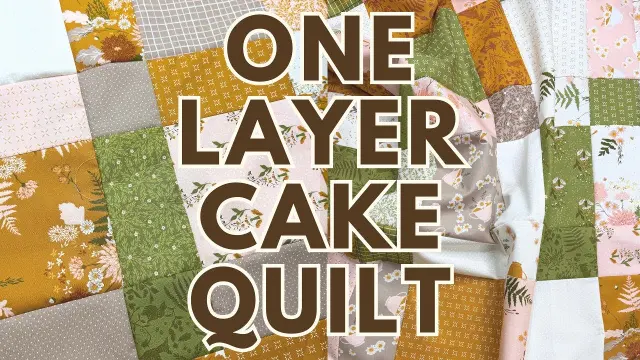
 Make a Throw Quilt Using Just One Layer Cake
#Throw Quilt
1 ideas
Make a Throw Quilt Using Just One Layer Cake
Get new #Throw Quilt ideas by email
Every Thursday: the week's best ideas, with the newest from #Throw Quilt.
Related tags
Throw Quilt Guide: Sizes, Styles and Beginner Tips
A throw quilt is a quilt made to be thrown over something — a sofa, an armchair, the end of a bed — or over a pair of knees on a cold evening. Smaller than a bed quilt and larger than a wall hanging, it sits in the comfortable middle: big enough to cover you, small enough to finish. Because it is light and portable, it is also the piece most quilters make first, and the one that gets the most use.
What it is
A quilt is three layers held together: a decorative top, a layer of batting for warmth, and a backing fabric. The three are joined by stitching — the quilting itself — and the raw edges are enclosed with binding. A throw is simply this construction at a size that suits a lap or a sofa rather than a mattress. Exact dimensions vary, but most fall somewhere between a generous lap square and a piece long enough to drape over the back of a couch, roughly from a metre up to about a metre and a half on a side. Measure the furniture you have in mind before you cut anything; it is the most useful planning step there is.
Where it comes from
Read more
Quilting as a craft is centuries old and appears in many parts of the world, from padded clothing and bedding to elaborate ceremonial textiles. The throw as we know it grew out of domestic needlework traditions in which scraps of worn fabric were pieced into something warm and beautiful rather than thrown away. That inheritance still shapes the craft: thrift, patience, and the pleasure of making something useful out of what you already have.
Styles and techniques
Patchwork — sewing small pieces into blocks and blocks into a top — is the most familiar approach, and the most forgiving for beginners. Whole-cloth quilts use a single piece of fabric and let the stitching pattern provide the design. Appliqué adds shapes on top of the surface; English paper piecing joins fabric over paper templates by hand; tied quilts are held together with knots of thread or yarn instead of stitching, which is quick and pleasantly rustic; rag quilts leave seams exposed and fringed on purpose.
What beginners should know
Choose simple shapes — squares, rectangles, strips — and let the fabric do the work. Accurate cutting and a consistent seam allowance matter more than speed, and pressing each seam as you go will improve your results more than any gadget. Use a walking foot or a slightly longer stitch when quilting through three layers, and quilt no more densely than the batting allows; the packaging states the maximum distance between stitching lines, and it is worth respecting. Baste thoroughly, because most puckers come from layers that shifted. Start with a throw you actually want to use, in colours you like, and accept that the first one teaches you the second.
#Throw Quilt: frequently asked questions
How do I start my first throw quilt?
Begin with a simple design — squares, rectangles or strips — and pick fabrics you genuinely like, since a throw you want to use will keep you motivated through the slower parts. Cut carefully, keep your seam allowance consistent, and press each seam as you sew rather than saving all the pressing for the end. Expect the first one to be a learning piece; it teaches you what the next one needs.
What supplies do I need to make a throw quilt?
You need fabric for the top, batting for the middle and something for the backing, plus thread, binding for the edges and a way to baste the layers together before quilting. A rotary cutter, mat and ruler make cutting far more accurate than scissors, and a walking foot helps when stitching through the finished layers. Add an iron and a little space to lay the quilt flat — pressing and basting are the quiet steps that decide how the finished throw looks.
Which kind of throw quilt is best for a beginner?
Patchwork is the most forgiving starting point, and within it the simplest shapes let the fabric carry the design instead of tricky piecing. If you want something quicker and more rustic, a tied quilt skips the stitching altogether and holds the layers with knots of thread or yarn, while a whole-cloth quilt lets the quilting pattern be the whole design. Appliqué and English paper piecing are lovely but reward a bit of practice first.
How should I decide what size to make my throw quilt?
Measure the sofa, armchair or bed you have in mind and let that decide it, rather than working from a standard figure. A throw only needs to be big enough to cover a lap or drape over a couch back, so aim for something you can comfortably finish and handle under the machine. A smaller quilt that gets used beats a large one that stays folded in a cupboard.
How do I care for a throw quilt so it lasts?
Wash it gently and infrequently, using a mild detergent and a cool, delicate cycle, then dry it flat or on low heat so the batting doesn't distort. Check the batting's care guidance and treat any loose stitches or worn binding promptly, before they spread. Keeping it out of harsh direct sun and folding it differently each time helps avoid permanent creases and fading.
What mistakes should I avoid when making a throw quilt?
The most common problems come from layers that shifted during quilting and from seams that were never pressed, so baste thoroughly and iron as you go. Quilting more densely than the batting allows also causes trouble — follow the spacing guidance that comes with the batting. And don't rush the cutting; accurate pieces save far more time than fast ones.
Videos come from YouTube and posts from Instagram; titles and summaries are our own. All rights belong to their creators.