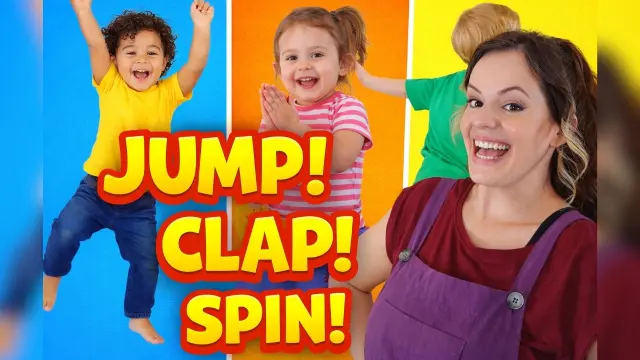
 Baby Learning Action Words Through Movement and Play
#Toddler Activities
11 ideas
Baby Learning Action Words Through Movement and Play
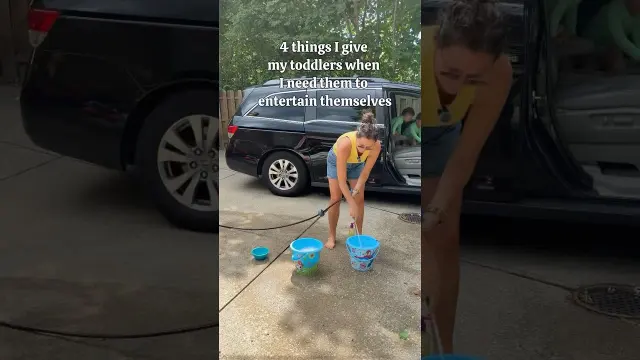 Four Easy Setup Toddler Activities to Try at Home
 Cute Animal Sounds And Names For Kids Learning
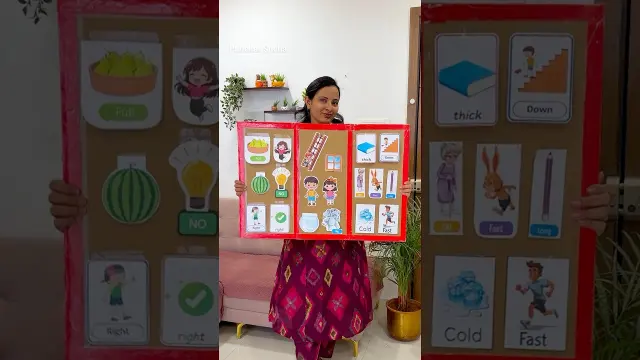 DIY Visual Learning Activities for Basic Concepts
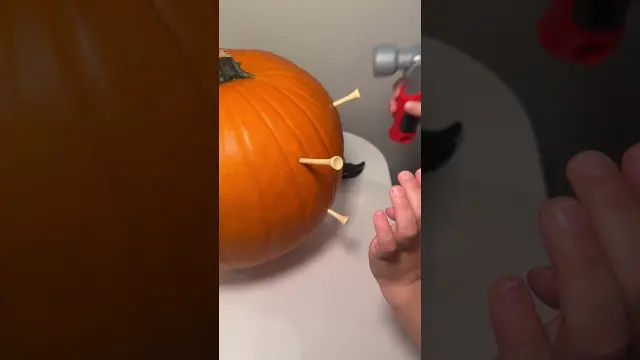 Easy Fall Pumpkin Hammering Activity for Toddlers
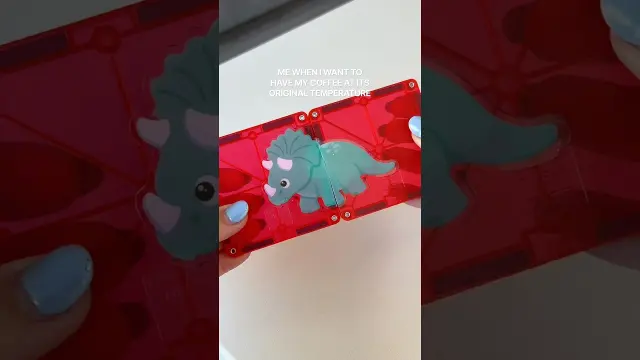 Magnetic Tile and Gel Cling Matching Activity
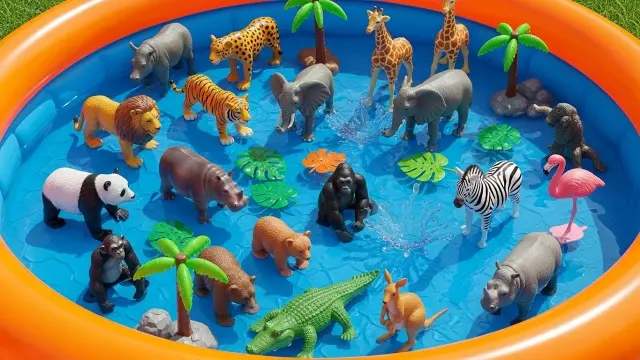 Wild Animals For Kids Learning Safari Species
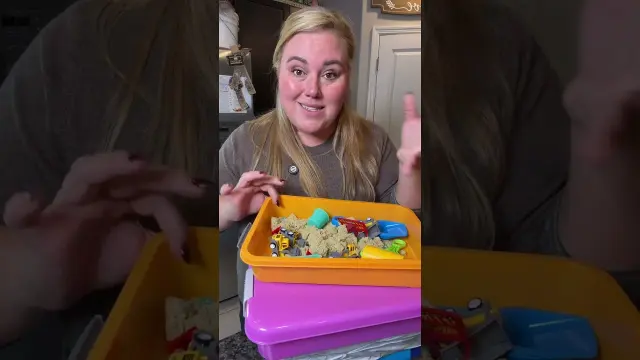 Affordable Sensory Play Idea to Help Kids Learn
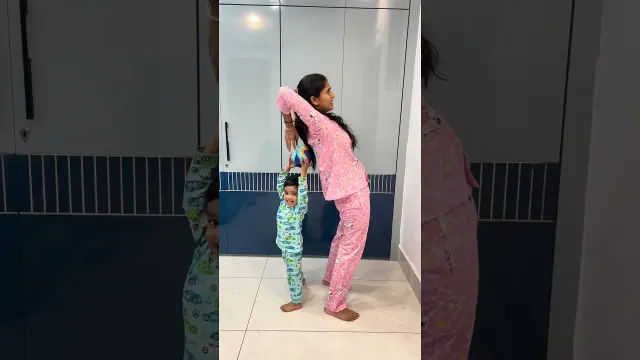 Simple Ball Games to Play at Home with Toddlers
 Baby Learning Video for First Words and Body Parts
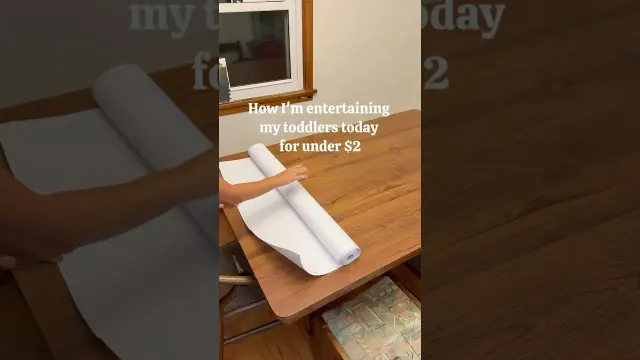 Giant Paper Roll Art and Creativity Activity
Get new #Toddler Activities ideas by email
Every Thursday: the week's best ideas, with the newest from #Toddler Activities.
Related tags
Toddler Activities for Play and Learning
What toddler activities are
Toddler activities are short, playful experiences designed for children who are learning through movement, repetition, and imitation. At this age, play is not just entertainment. It is how toddlers explore their bodies, notice sounds and shapes, practice language, and begin to understand the world around them.
The best activities for toddlers are usually simple, flexible, and hands-on. They do not need to be complicated or expensive. A box, a spoon, a few blocks, a song, or a safe space to move can be enough to keep a toddler engaged. The goal is not perfect results. It is curiosity, confidence, and gentle discovery.
Common kinds of toddler activities
Read more
Toddler activities often fall into a few broad groups:
- Movement activities: climbing, dancing, crawling through tunnels, kicking a ball, or walking like different animals
- Sensory activities: touching safe textures, pouring, scooping, water play, or exploring soft and rough objects
- Language activities: naming pictures, singing songs, reading short books, and repeating simple words or sounds
- Creative activities: scribbling, finger painting, sticking, sorting, and stacking
- Everyday life activities: helping stir, wash, tidy, or match socks in a playful way
Each type supports a different part of development, and toddlers benefit most from variety rather than long, structured lessons.
What toddlers usually enjoy
Many toddlers love activities they can do with their hands and bodies. They often enjoy repetition, because doing the same thing again helps them feel in control and understand what comes next. Simple cause-and-effect activities are especially appealing, such as dropping objects into a container, pressing buttons, or building and knocking down towers.
Toddlers also tend to enjoy pretend play, even in very early forms. A spoon may become an airplane, a blanket may become a tent, and a stuffed animal may become a friend in a game. This kind of play helps imagination grow and often leads to language development too.
Tips for choosing activities
When choosing toddler activities, keep them short, safe, and low-pressure. A toddler’s attention span is still developing, so it helps to offer just a few items at a time. Clear, simple choices work well. For example, you might offer blocks or crayons instead of too many toys at once.
Some useful tips:
- Follow your child’s interest whenever you can
- Choose activities that allow movement and exploration
- Use everyday household objects for easy play
- Keep materials safe, sturdy, and age-appropriate
- Expect mess sometimes, and plan for it
- Stay nearby, especially with small objects or water
A gentle approach to play
The best toddler activities are the ones that feel playful, not demanding. If your child loses interest quickly, that is normal. Toddlers often move in and out of activities. A good activity can last just a few minutes if it sparks curiosity and joy.
You do not need to create a perfect schedule. A mix of active play, calm play, songs, books, and simple routines is often enough. What matters most is that your toddler feels supported, safe, and free to explore at their own pace.
Videos come from YouTube and posts from Instagram; titles and summaries are our own. All rights belong to their creators.