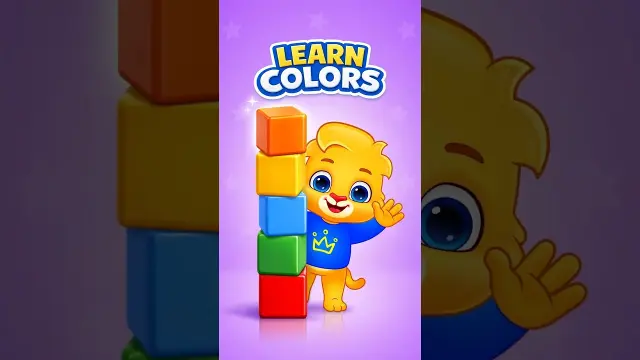
 Learn Colors with Stacking Blocks in Baby Learning Short
#Toddler Education
2 ideas
Learn Colors with Stacking Blocks in Baby Learning Short
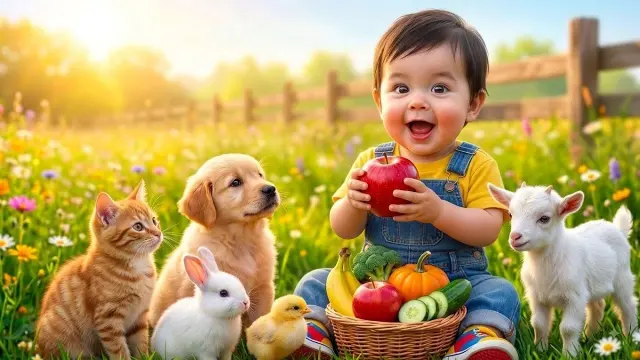 Educational Fruit and Vegetable Learning Video with Baby Animals
Get new #Toddler Education ideas by email
Every Thursday: the week's best ideas, with the newest from #Toddler Education.
Related tags
Toddler Education: Learning Through Play
What toddler education means
Toddler education is the early learning that happens between babyhood and preschool years, when a child is discovering how the world works. At this age, learning is not only about letters or numbers. It also includes language, movement, social skills, problem-solving, and independence. Toddlers learn best through repeated experiences, simple routines, and playful exploration.
For very young children, everyday moments are full of lessons. Naming objects during a walk, sorting toys by color, singing a familiar song, or helping with small tasks all support development. The goal is not to push formal schooling too early, but to create a rich environment where curiosity can grow.
How toddlers learn
Read more
Toddlers usually learn through touch, imitation, movement, and repetition. They often want to handle things, stack them, open and close them, or take them apart. This hands-on style of learning helps build understanding in a natural way.
You may notice that your toddler prefers short activities and may switch interests quickly. That is normal. Their attention span is still developing, so brief, varied activities work better than long lessons. A toddler often learns best when the same idea is repeated in different ways: hearing a word, seeing an object, and using it in play.
Helpful areas of early learning
Toddler education usually includes several broad areas:
- Language: hearing new words, asking questions, singing, and listening to stories
- Cognitive skills: matching, sorting, remembering, and noticing patterns
- Motor skills: running, climbing, drawing, stacking, and using hands with care
- Social skills: turn-taking, sharing, waiting, and playing beside other children
- Emotional skills: naming feelings, calming down, and learning routines
- Practical life skills: dressing, tidying up, washing hands, and simple choices
These skills develop together, not separately. A child who builds a tower is also learning concentration, balance, and patience.
Simple ways to support learning
You do not need complicated materials to support toddler education. Everyday objects can be enough.
- Read picture books often, even if the child wants the same story again and again
- Talk through daily routines, such as getting dressed or making a snack
- Offer sorting and stacking toys, blocks, cups, and simple puzzles
- Sing songs with actions to encourage memory and movement
- Use open-ended play, such as pretend cooking, animals, or dolls
- Give small choices, like choosing between two shirts or two books
- Let your toddler help with safe, simple tasks
The best learning often happens when the child feels calm, curious, and supported.
What to keep in mind
Toddlers develop at different speeds, so it helps to stay flexible. Some children talk early, while others prefer movement or quiet observation first. Try not to compare one child with another. Instead, notice steady progress over time.
Keep activities safe, age-appropriate, and playful. If something feels frustrating, shorten the activity or try a simpler version. The most valuable part of toddler education is not perfection, but connection: being present, encouraging effort, and making learning feel natural and enjoyable.
Videos come from YouTube and posts from Instagram; titles and summaries are our own. All rights belong to their creators.