 Easy Jamie Oliver Chicken Traybake Ideas
#Tray Bake
15 ideas
Easy Jamie Oliver Chicken Traybake Ideas
 Nigella Lawson Chicken and Pea Traybake
 Elevated Sausage and Potato Tray Bake Recipe
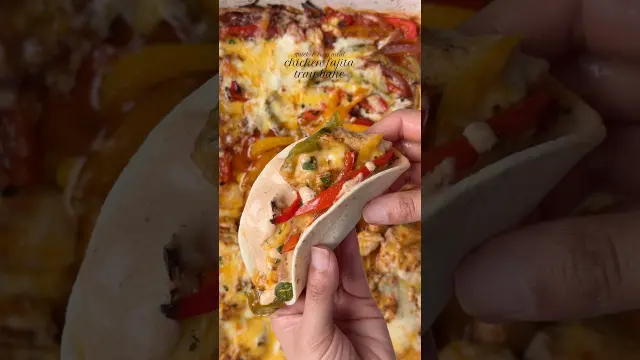 Easy Chicken Fajita Tray Bake with Sauce
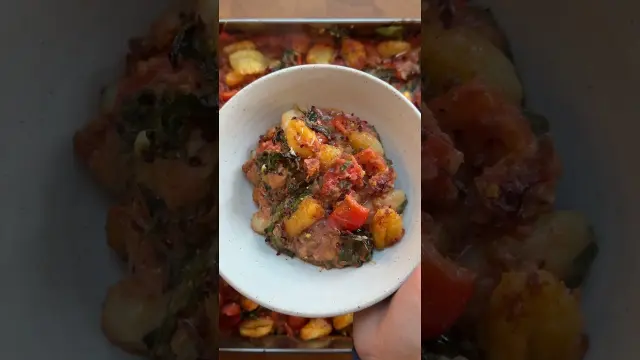 High Fibre Tomato Gnocchi Traybake Recipe
 High Protein One-Tray Dinners for Busy Weeks
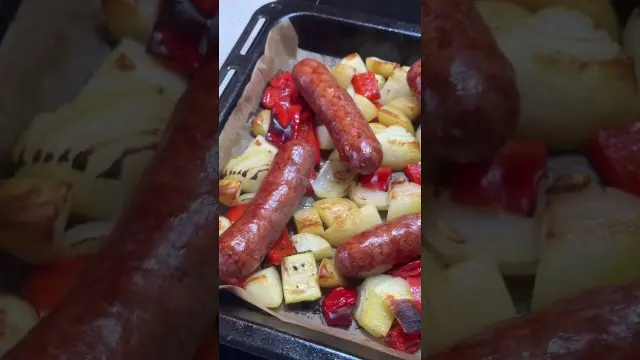 One-Tray Lamb Sausage and Vegetable Bake
 Roasted Aubergine, Lentil and Tahini Traybake
 One Tray Red Thai Chicken Rice Bake
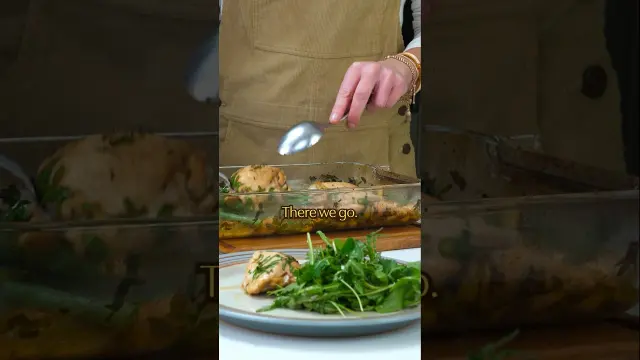 Zesty Chicken and Lemon Traybake Recipe
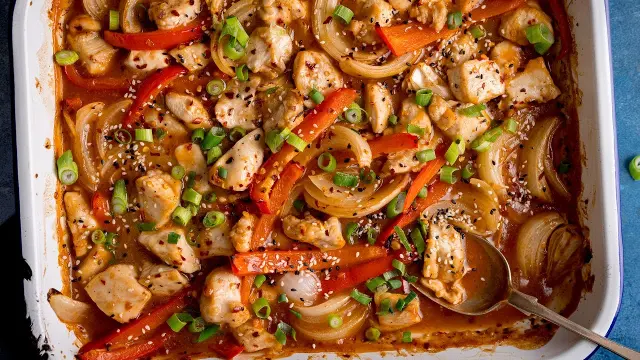 Quick Chicken Stir-Fry Style Tray Bake
 Mary Berry Thai Chicken Traybake Recipe
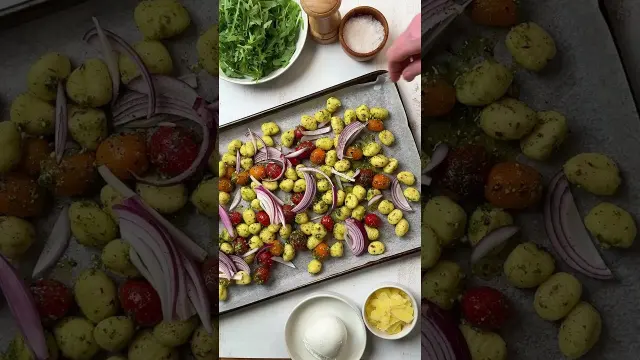 Quick Crispy Pesto Gnocchi Tray Bake
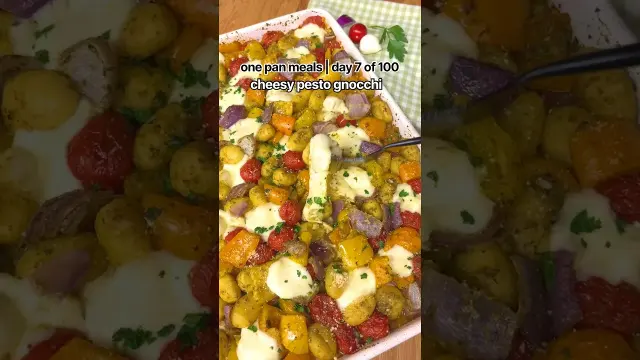 Cheesy One Pan Pesto Gnocchi Tray Bake
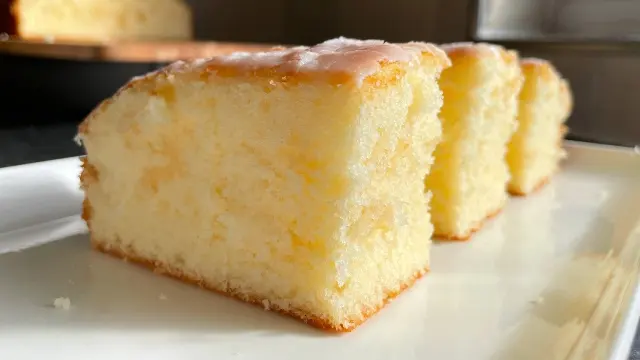 Easy Vanilla Tray Bake Cake Recipe
Get new #Tray Bake ideas by email
Every Thursday: the week's best ideas, with the newest from #Tray Bake.
Related tags
Tray Bake Guide
A tray bake is any recipe mixed, spread, and baked in a shallow tray or tin, usually so you can cut it into squares, bars, or neat portions. It can be sweet, like cake, blondies, and flapjack, or savoury, like roasted vegetables, pasta bakes, chicken dishes, and potato bakes. The appeal is simple: tray bakes are practical, generous, and often easier to serve than layered or individually shaped bakes.
Tray baking has long been part of home cooking because it suits everyday ingredients and straightforward methods. Instead of shaping or assembling lots of separate pieces, you combine everything in one pan and let the oven do most of the work. That makes tray bakes popular for family meals, packed lunches, casual baking, and feeding a group.
Types of tray bake
There are two broad kinds:
Read more
- Sweet tray bakes: sponge cakes, fruit bakes, brownies, cookie bars, shortbread slices, and oat-based bakes.
- Savoury tray bakes: roasted chicken with vegetables, baked gnocchi, pasta bakes, fish with vegetables, and cheese-topped dishes.
Some tray bakes are meant to be soft and tender, while others are crisp at the edges. The size and depth of the tray affect the result, so it helps to follow the recipe closely.
What makes a good tray bake
A good tray bake usually depends on even baking and the right balance of moisture. If the mixture is too shallow, it may dry out; if it is too deep, the centre may cook unevenly. A tray with low sides often gives more browning, while a deeper tin can suit richer cakes or saucier savoury dishes.
For sweet bakes, spreading the mixture evenly helps the top rise and colour consistently. For savoury bakes, cutting vegetables or other ingredients into similar-sized pieces helps them cook at the same rate.
Helpful techniques
- Line the tray with baking paper if you want easy lifting and cleaner slices.
- Grease the corners well, especially if the recipe contains sugar or cheese, which can stick.
- Avoid overmixing cake batters, as this can make them heavy.
- Stir savoury ingredients thoroughly so the seasoning and sauce are evenly distributed.
- Check for doneness from the centre, since tray bakes can brown before they are fully cooked inside.
If you are new to tray baking, start with a simple recipe that uses familiar ingredients. It is also useful to let the bake cool slightly before cutting, especially for cakes and bars, so the pieces hold their shape.
Serving and storing
Tray bakes are often easy to portion, which makes them useful for lunchboxes, picnics, and make-ahead meals. Sweet tray bakes can be served plain or with a simple dusting or drizzle, while savoury versions often work well with salad or vegetables. Many tray bakes keep well for a short time in an airtight container, and some can be reheated gently.
Whether you are making a quick family supper or a simple cake for sharing, tray baking is a flexible method that rewards a relaxed approach and basic ingredients.
Videos come from YouTube and posts from Instagram; titles and summaries are our own. All rights belong to their creators.