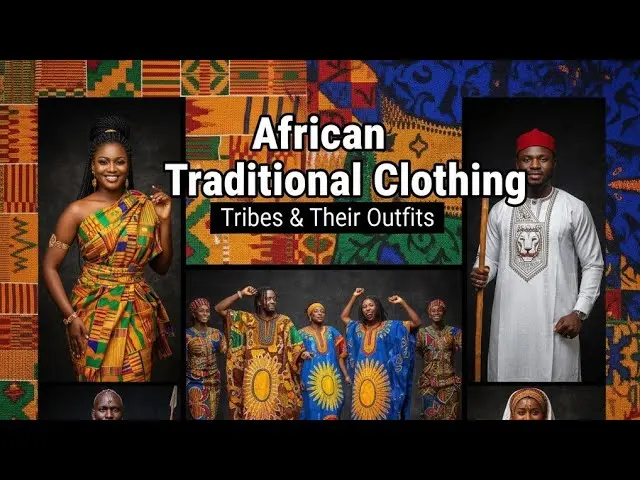
 Traditional African Clothing Representing Tribes and Culture
#Tribal Attire
1 ideas
Traditional African Clothing Representing Tribes and Culture
Get new #Tribal Attire ideas by email
Every Thursday: the week's best ideas, with the newest from #Tribal Attire.
Related tags
Tribal Attire: Heritage Clothing Across Cultures
Tribal attire is a broad term for clothing, adornment, and body decoration linked to a specific people, community, or cultural group. It can include everyday dress, ceremonial garments, accessories, hairstyles, jewelry, and patterns that carry meaning beyond appearance. In many cultures, these clothes reflect identity, status, age, family role, marital stage, or the occasion being marked.
Because the word “tribal” can cover many different societies, there is no single style of tribal attire. Traditional dress may be made from woven cloth, animal hide, plant fibers, cotton, silk, beads, shells, feathers, or metalwork, depending on what was available locally and what held cultural value. Some garments are meant for work and daily life, while others are reserved for weddings, rites of passage, festivals, religious events, or mourning.
Cultural meaning and origins
Traditional attire often develops from climate, geography, and practical needs, but it also becomes a visual language. Colors, prints, draping styles, embroidery, headwear, and ornaments may signal belonging to a group or region. In some communities, certain pieces are inherited or made by hand and passed down through generations. In others, dress changes with age, ceremony, or social role.
Read more
It is important to remember that these garments are not costume in their original context. They are living cultural expressions, and their meaning belongs first to the people who wear them.
Common forms and features
Tribal attire can take many forms, including:
- Wraps, tunics, robes, skirts, or layered cloth
- Beaded necklaces, bracelets, anklets, and belts
- Head wraps, caps, veils, or decorated headpieces
- Embroidery, appliqué, woven motifs, or dyed patterns
- Body paint, scarification, or other traditional adornment in some cultures
Patterns and materials often carry symbolic meaning. A color may suggest celebration, grief, purity, or authority. A specific motif may identify a clan, region, or ceremony. If you are learning about a particular culture, the safest approach is to ask what each element means rather than assuming.
How tribal attire is worn and chosen
For beginners interested in traditional dress, fit and context matter as much as style. Many garments are designed to be worn in a particular way, with specific draping, layering, or accessories. A piece may look simple, but it can be deeply meaningful when worn correctly.
If you are wearing or drawing inspiration from tribal attire, keep these points in mind:
- Learn the garment’s cultural background before using it
- Wear it respectfully and for the right occasion
- Avoid mixing sacred or ceremonial elements casually
- Support makers and communities when possible
- Be careful not to reduce a living culture to a trend
Appreciating traditional dress
The beauty of tribal attire lies in its connection to memory, skill, and identity. Handwork, symbolism, and regional detail often give these garments their power and richness. Whether you are studying fashion, styling an event, or simply admiring traditional clothing, the most respectful approach is curiosity paired with care. Traditional dress deserves to be understood not only for how it looks, but for the people, stories, and traditions it represents.
Videos come from YouTube and posts from Instagram; titles and summaries are our own. All rights belong to their creators.