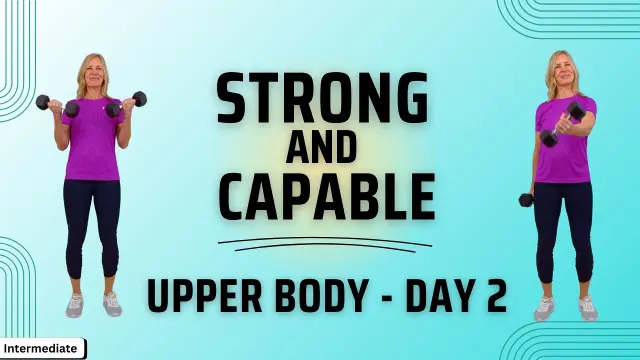
 20-Minute Standing Upper Body Dumbbell Workout With No Floor Work
#Upper Body Workout
14 ideas
20-Minute Standing Upper Body Dumbbell Workout With No Floor Work
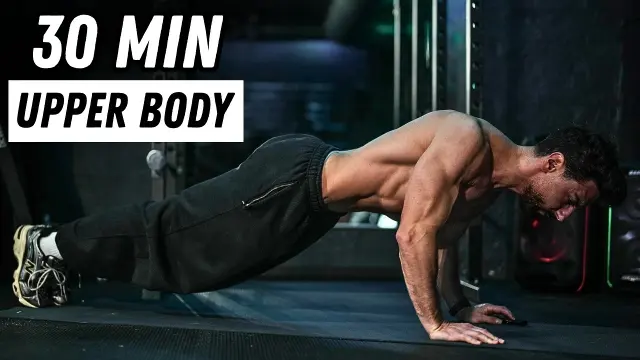 30-Minute No-Equipment Upper Body Workout With Rowan Row
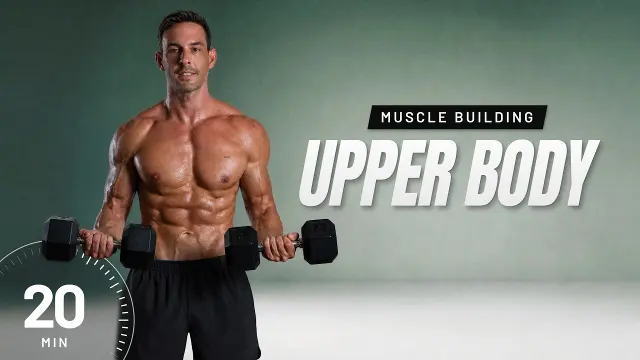 20-Minute Dumbbell Upper Body Workout for Chest, Shoulders, Arms and Back
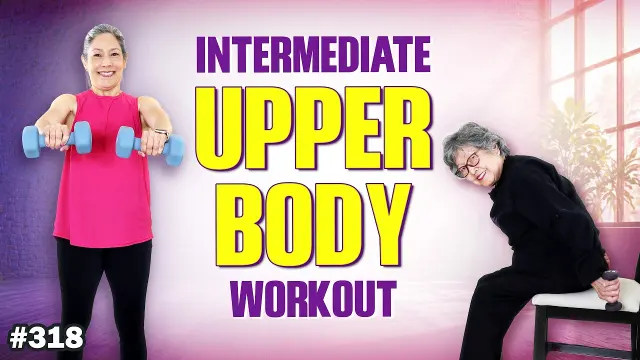 Seated or Standing Upper Body Weights Workout for Seniors 50+
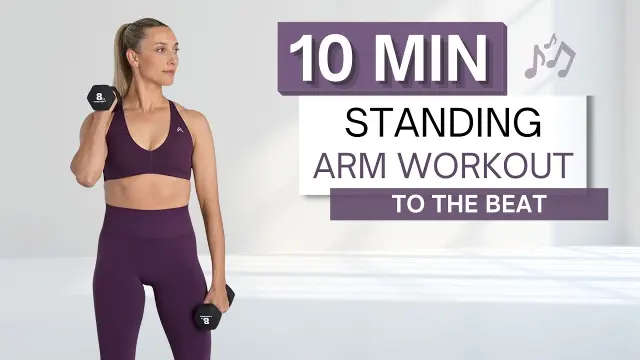 Ten-Minute Standing Arm Workout With Medium Dumbbells
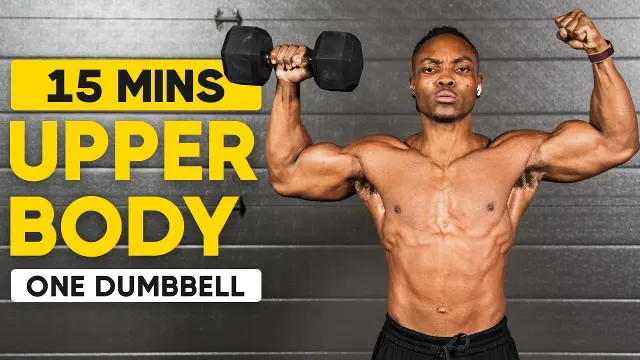 15-Minute Upper Body Workout With One Dumbbell, No Repeats
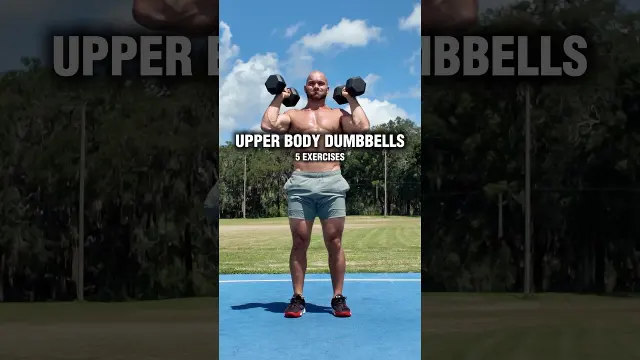 Five Dumbbell Exercises for Back, Shoulders and Arms
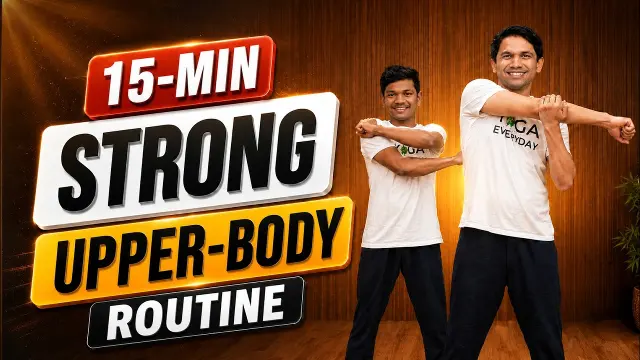 15-Minute No-Equipment Upper Body Strength Routine
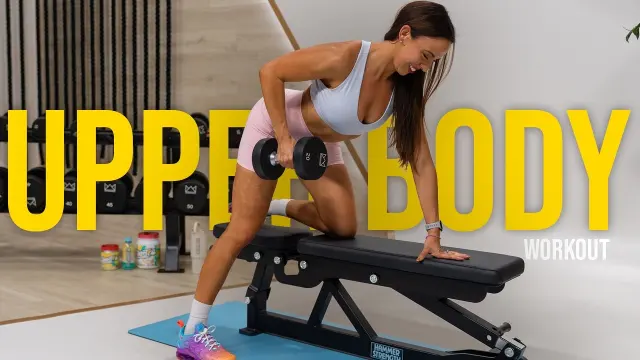 30-Minute Heavy Upper Body Workout for Strength and Muscle
 20-Minute Upper Body Workout for Back, Shoulders and Arms
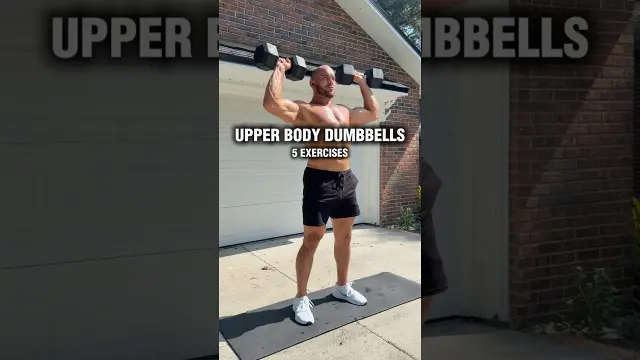 Five Dumbbell Moves to Build Chest, Back, Shoulders and Arms
 The Four Dumbbell Exercises You Need for Upper Body Training
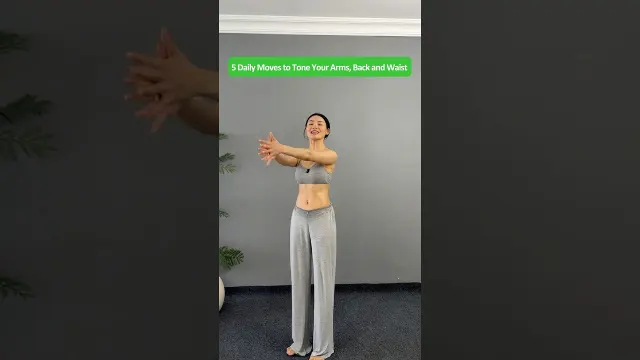 Five Daily Home Exercises to Tone Arms Slim Waist and Sculpt Back
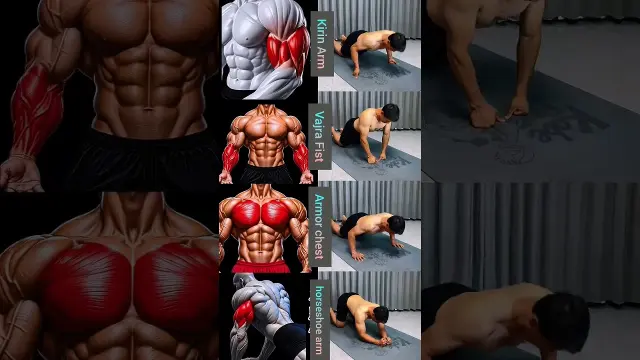 Four Best Bodyweight Exercises for Bigger Arms and Chest at Home
Get new #Upper Body Workout ideas by email
Every Thursday: the week's best ideas, with the newest from #Upper Body Workout.
Related tags
Upper Body Workout: A Beginner's Guide to Training Arms, Chest and Back
An upper body workout is any training session that targets the muscles above the waist: the chest, back, shoulders, arms and, to a lesser degree, the core that stabilises them. It is one half of the familiar split with lower body training, and for many people it is the part of fitness they picture first, because these are the muscles we see and use most in daily life — pushing a door, carrying shopping, lifting a child, reaching for a shelf.
The muscle groups involved
The upper body is usually divided into pushing and pulling movements. Pushing muscles include the chest (pectorals), the front of the shoulders (deltoids) and the triceps at the back of the arm. Pulling muscles include the broad back muscles (lats), the muscles between and around the shoulder blades, the rear shoulders and the biceps. Training both sides in balance matters: too much pushing and too little pulling tends to pull the shoulders forward and can leave posture rounded.
Main styles and techniques
Read more
Bodyweight training uses only your own weight — push-ups and their many variations, inverted rows under a table or bar, dips, plank holds. It is inexpensive, needs little space and scales easily from beginner to advanced.
Free weights — dumbbells, kettlebells, barbells — add external resistance and let you progress gradually. Machines offer guided movement, which some beginners find reassuring while learning patterns.
Resistance bands sit between the two: light, portable and gentle on the joints, useful for warm-ups and for pulling work at home. Many people combine styles rather than choosing one.
How a session is usually built
A typical workout opens with a few minutes of easy movement to raise body temperature and loosen the shoulders, then moves through the main exercises, then finishes with slower stretching. Beginners often do well with two or three sessions a week, leaving at least a day between them so muscles can recover. Repetitions should feel controlled; the last few of a set may be challenging, but form should never break down for the sake of one more.
What beginners should know
Start lighter than you think you need to, and learn the movement before adding weight. Keep the core gently engaged and breathe steadily — exhaling on effort is a simple habit. Mild soreness in the days afterwards is normal; sharp pain during an exercise is a signal to stop.
If you have an injury, joint trouble or a health condition, speak to a qualified professional before starting, and consider a session or two with a trainer to check your technique. Consistency, done kindly and without hurry, is what turns an occasional workout into real strength.
#Upper Body Workout: frequently asked questions
What exactly counts as an upper body workout?
It is any session that trains the muscles above the waist — chest, back, shoulders and arms, with the core working to stabilise them. It is the counterpart to lower body training in the usual split, and it covers the muscles you rely on for pushing, pulling, carrying and reaching.
Do I need equipment to start training my upper body?
No — your own bodyweight is enough to begin, using movements like push-ups, inverted rows, dips and plank holds, which need little space and cost nothing. Once the patterns feel familiar you can add dumbbells, kettlebells, bands or machines for extra resistance, and many people mix these rather than committing to one.
How do I choose between bodyweight, free weights and machines?
It depends on what you have access to and how confident you feel with the movements: bodyweight scales easily at home, free weights let you add resistance gradually, and machines guide the path so you can focus on the muscle working. Resistance bands are a good middle ground — portable, joint-friendly and handy for warm-ups and pulling work.
What do beginners most often get wrong?
Starting too heavy and chasing extra repetitions at the expense of form are the classic mistakes — begin lighter than you think you need and learn the movement before loading it. The other common slip is training pushing far more than pulling, which can leave the shoulders rounded, so keep both sides in balance.
How should I recover between upper body sessions?
Leave a rest day between sessions so the muscles have time to recover, and open each workout with a few minutes of easy movement before finishing with slower stretching. Mild soreness afterwards is normal, but sharp pain during an exercise means stop; keep breathing steadily and exhale on effort.
Can I train my upper body at home without getting on the floor?
Yes — standing routines with dumbbells or bands work the shoulders, arms and back without any floor work, which suits anyone who finds getting down and up awkward. Short standing arm and shoulder sessions are also easy to fit into a busy day.
Videos come from YouTube and posts from Instagram; titles and summaries are our own. All rights belong to their creators.