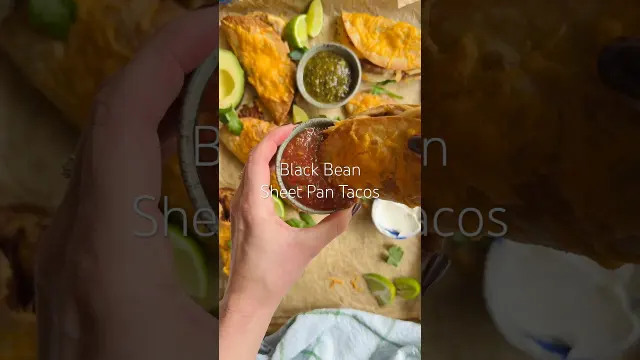
 Quick Black Bean Sheet Pan Tacos
#Vegetarian
8 ideas
Quick Black Bean Sheet Pan Tacos
 Easy Black Bean Smash Tacos
 Caramelized Baked Sweet Potatoes with Maple Syrup
 Slow Cooker Vegetarian Taco Soup Meal Prep
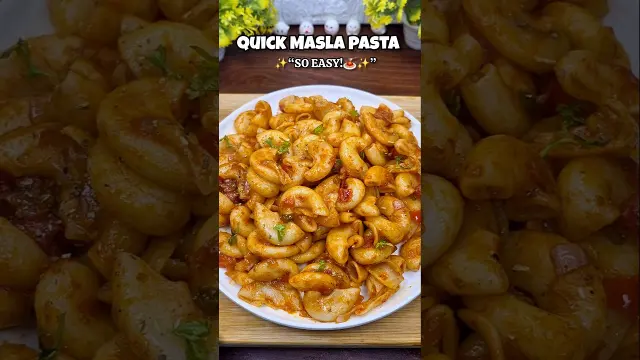 Quick Masala Pasta Recipe
Get new #Vegetarian ideas by email
Every Thursday: the week's best ideas, with the newest from #Vegetarian.
Related tags
Vegetarian Cooking Guide
What vegetarian cooking means
Vegetarian cooking is the practice of preparing meals without meat or fish, while still relying on a wide range of plant foods, dairy, and eggs if they fit your way of eating. It is one of the oldest ways of eating in many cultures, often shaped by religion, family tradition, economy, and the simple abundance of grains, legumes, vegetables, fruit, nuts, seeds, and herbs.
At its best, vegetarian food is not about leaving things out. It is about building meals with flavor, texture, and balance. A good vegetarian plate usually includes something hearty, something fresh, something satisfying, and something that brings it all together, such as a sauce, dressing, or spice blend.
Main kinds of vegetarian eating
Read more
There are several common approaches, and people choose them for different reasons.
- Lacto-vegetarian diets include dairy but not eggs.
- Ovo-vegetarian diets include eggs but not dairy.
- Lacto-ovo vegetarian diets include both dairy and eggs.
- Some people eat mostly vegetarian meals and occasionally include animal foods, while others keep to a fully vegetarian pattern.
There is no single “right” version. What matters most is choosing foods that suit your needs, preferences, and daily life.
What to cook with
A well-stocked vegetarian kitchen usually centers on a few dependable ingredients:
- Beans, lentils, chickpeas, and other legumes
- Tofu, tempeh, paneer, eggs, yogurt, and cheese, if you eat them
- Rice, pasta, bread, oats, potatoes, and other grains or starches
- Vegetables in many forms: raw, roasted, sautéed, steamed, or braised
- Fruit for snacks, salads, desserts, or breakfast
- Nuts, seeds, nut butters, and tahini for richness and texture
- Herbs, spices, citrus, vinegar, and condiments for flavor
These ingredients make it easier to build meals without feeling repetitive.
Simple ways to make meals satisfying
One of the most helpful habits in vegetarian cooking is to think about contrast. Soft foods become more interesting with crunch, mild foods come alive with acidity, and rich foods feel balanced with fresh herbs or lemon.
- Combine protein, fiber, and healthy fats to make meals more filling.
- Roast or caramelize vegetables to deepen their flavor.
- Use sauces and dressings generously, especially with grains and greens.
- Add toasted nuts, seeds, or crispy toppings for texture.
- Season in layers rather than only at the end.
If a dish feels flat, it often needs salt, acid, heat, or freshness, not necessarily more ingredients.
A few classic styles
Vegetarian cooking appears in many food traditions around the world. You will find it in rice and lentil dishes, stuffed vegetables, vegetable stews, bean soups, grain bowls, pasta dishes, curries, flatbreads, salads, and mezze-style spreads. Many traditional cuisines naturally include more plant-based cooking than people expect.
The beauty of vegetarian food is its adaptability. You can keep things very simple or build more elaborate dishes, depending on the occasion.
Practical tips for beginners
If you are just starting out, begin with familiar meals and make small changes. Swap meat for beans in a soup, add lentils to a sauce, or build a dinner around vegetables, grains, and eggs or dairy if you use them.
- Learn two or three dependable seasoning combinations.
- Keep canned beans, dried lentils, pasta, rice, and frozen vegetables on hand.
- Taste as you cook.
- Don’t be afraid to repeat meals you enjoy.
- Make leftovers work for lunch, soups, wraps, or salads.
Vegetarian cooking becomes easier with practice. Once you learn how to balance flavor and texture, you can create meals that feel generous, comforting, and complete.
Videos come from YouTube and posts from Instagram; titles and summaries are our own. All rights belong to their creators.