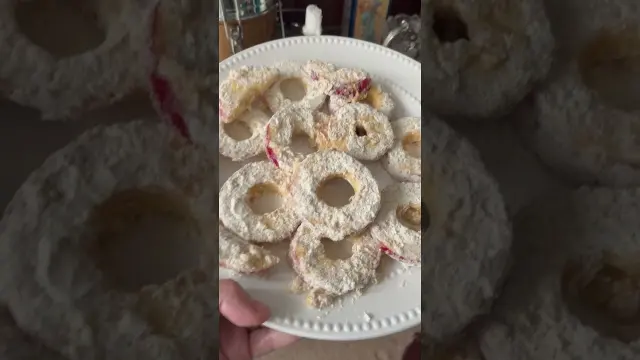
 Baking Sweets For Children In The 1940s
#Vintage Dessert
1 ideas
Baking Sweets For Children In The 1940s
Get new #Vintage Dessert ideas by email
Every Thursday: the week's best ideas, with the newest from #Vintage Dessert.
Related tags
Vintage Desserts: Classic Sweets and How to Make Them
A vintage dessert is a sweet that belongs to the kitchen of an earlier generation — the kind of thing that turns up in a grandmother's handwritten notebook, in a community cookbook, or on a buffet table at a family gathering. It is not defined by a single era or country. What unites these puddings, cakes and confections is a shared approach: modest ingredients, patient methods, and a strong preference for comfort over spectacle.
Where they come from
Most vintage sweets grew out of thrift. Home cooks worked with what the larder offered — flour, sugar, eggs, milk, butter, dried fruit, spices, oats, and whatever fruit was in season — and built desserts that stretched those things as far as possible. Bread became bread pudding. Stale cake became trifle. Fruit was stewed, bottled or baked into crumbles and pies so that nothing was wasted. Later, tinned milk, gelatine and packaged biscuits made their way into the repertoire, and the results were often just as beloved as the older dishes.
The main kinds
Read more
- Baked puddings and crumbles: fruit under a layer of sponge, crumb or suet pastry, served with cream or custard.
- Steamed puddings: dense, dark and sticky, cooked slowly in a covered basin.
- Custards and set desserts: baked custards, blancmange, jelly moulds and milk puddings thickened with rice, tapioca or cornflour.
- Cakes and traybakes: plain sponges, fruit loaves, gingerbread, flapjacks and sandwich cakes filled with jam.
- Confectionery: fudge, tablet, coconut ice and other boiled-sugar sweets made for gifts and fairs.
What beginners should know
Vintage recipes assume a certain confidence, so read them twice before you start. They often give temperatures in vague terms ("a moderate oven"), use volume rather than weight, and expect you to know what a mixture should look like. Start with something forgiving — a crumble, a traybake, a rice pudding — before attempting a steamed pudding or a set jelly.
A few practical habits help. Bring eggs and butter to room temperature, weigh carefully even when a recipe seems casual, and do not open the oven door while a sponge is rising. If a recipe uses gelatine, follow the setting instructions precisely; if it uses suet, keep the mixture cold and work quickly. Custards benefit from gentle heat and slow baking in a water bath.
Most of all, taste as you go and adjust. These desserts were always made by hand and by feel, and they reward the cook who pays attention rather than the one who follows the page to the letter.
#Vintage Dessert: frequently asked questions
What exactly counts as a vintage dessert?
It is a sweet from an earlier generation's home kitchen — the sort of thing found in a grandmother's notebook or a community cookbook. There's no single era or country behind it; what ties these dishes together is modest ingredients, unhurried methods, and comfort over showiness. Puddings, plain cakes, set custards and boiled-sugar sweets all fit comfortably under the label.
How should a beginner start with vintage baking?
Pick something forgiving first, such as a fruit crumble, a traybake or a rice pudding, and leave steamed puddings and moulded jellies until you have a feel for the techniques. Read the recipe through twice before you begin, because older instructions tend to be loose about temperatures and measurements. Weighing carefully and bringing eggs and butter to room temperature will save you more trouble than any single trick.
Which kind of vintage dessert should I choose?
It depends on the occasion and how much patience you have. Baked puddings and crumbles are the easiest entry point, steamed puddings suit a cold day when you don't mind a long cook, and set custards or jellies make a light finish to a larger meal. Cakes, traybakes and homemade confectionery are the ones to pick when you want something to share or give away.
What are the common mistakes people make with these recipes?
The usual culprits are opening the oven during a sponge's rise, guessing at quantities when a recipe says "a cup" or "a moderate oven", and rushing a gelatine dessert so it never sets properly. Suet mixtures especially need to stay cold and be handled quickly. Tasting as you go matters too, since these dishes were made by feel and often need a small adjustment.
Is vintage dessert a good choice for a family occasion or a children's party?
Yes — these sweets were designed for feeding a table full of people from inexpensive pantry staples, so they scale up well. Crumble, gingerbread, flapjacks and simple jam-filled sponges are the sort of thing children enjoy without fuss, and older guests usually recognize them with pleasure. Homemade fudge or coconut ice also makes a nice take-home gift.
Do I need special equipment or ingredients to make them?
Mostly no — the whole tradition grew out of working with what a ordinary larder held: flour, sugar, eggs, milk, butter, dried fruit, oats and seasonal fruit. A mixing bowl, a baking tin and a basin for steaming will carry you through nearly everything, with a water bath for custards. Tinned milk, gelatine and packaged biscuits appear in the later recipes, but they are additions rather than requirements.
Videos come from YouTube and posts from Instagram; titles and summaries are our own. All rights belong to their creators.