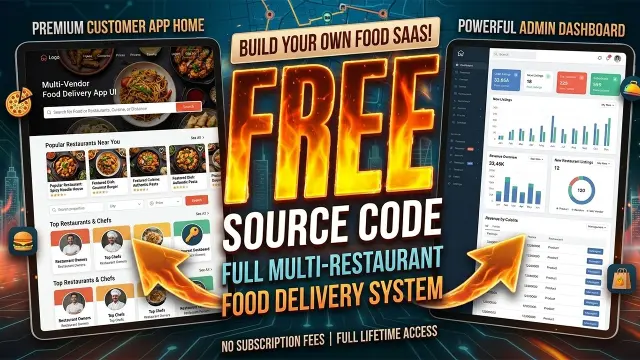
 Building a Free Food Ordering and Restaurant Management System
#Web Development
1 ideas
Building a Free Food Ordering and Restaurant Management System
Get new #Web Development ideas by email
Every Thursday: the week's best ideas, with the newest from #Web Development.
Related tags
Web Development Basics and Best Practices
What web development is
Web development is the work of creating and maintaining websites and web applications. It includes everything from simple informational sites to complex services where people log in, shop, book, message, or manage data. In practice, web development brings together design, content, structure, interactivity, and server-side logic so a site can be seen and used in a browser.
The field grew alongside the web itself, starting with very simple pages and gradually expanding into richer, more interactive experiences. Today, web development is used by businesses, publishers, schools, nonprofits, and individuals who need a digital presence that works across many devices and screen sizes.
The main parts of web development
Read more
Web development is usually divided into three broad areas:
- Front-end development: the part users see and interact with in the browser. It covers layout, text, images, buttons, forms, and responsive design.
- Back-end development: the server-side part that handles databases, user accounts, business logic, and data processing.
- Full-stack development: work that spans both front-end and back-end, often connecting the visible interface with the systems behind it.
Some projects also involve content management, accessibility work, performance optimization, testing, and security. All of these help a site feel reliable and easy to use.
Common tools and techniques
At the core of most web pages are HTML, CSS, and JavaScript. HTML provides structure, CSS controls presentation, and JavaScript adds interactivity. These three are often the starting point for beginners.
As projects grow, developers may use frameworks, libraries, databases, and server-side languages to make development more efficient. The exact tools vary, but the same basic goals remain: structure the content clearly, make it usable, and ensure it behaves well.
A few important techniques are especially valuable:
- Responsive design, so pages adapt to different screen sizes
- Semantic markup, so content is organized clearly for users and assistive technologies
- Accessible design, so more people can use the site comfortably
- Performance-conscious coding, so pages load and respond smoothly
- Testing, so errors are found before users encounter them
What beginners should know
If you are starting out, focus on the fundamentals before chasing advanced tools. Learn how web pages are structured, how styles affect layout, and how simple scripts can respond to user actions. Practice by building small projects such as a personal site, a contact form, or a simple content page.
It also helps to understand how browsers interpret code, how files are organized, and how data moves between the front end and the back end. Reading and changing existing code is a useful skill, because much of real-world development involves improving or maintaining what already exists.
Practical advice for lasting results
Good web development is not only about making things work, but making them understandable and maintainable. Keep your code organized, reuse patterns where sensible, and write with future changes in mind. Clear structure, thoughtful naming, and simple solutions often age better than complicated ones.
Above all, remember that a website is meant for real people. Aim for clarity, consistency, and ease of use. If the content is easy to read, the navigation is clear, and the site behaves predictably, you are already doing good web development.
Videos come from YouTube and posts from Instagram; titles and summaries are our own. All rights belong to their creators.