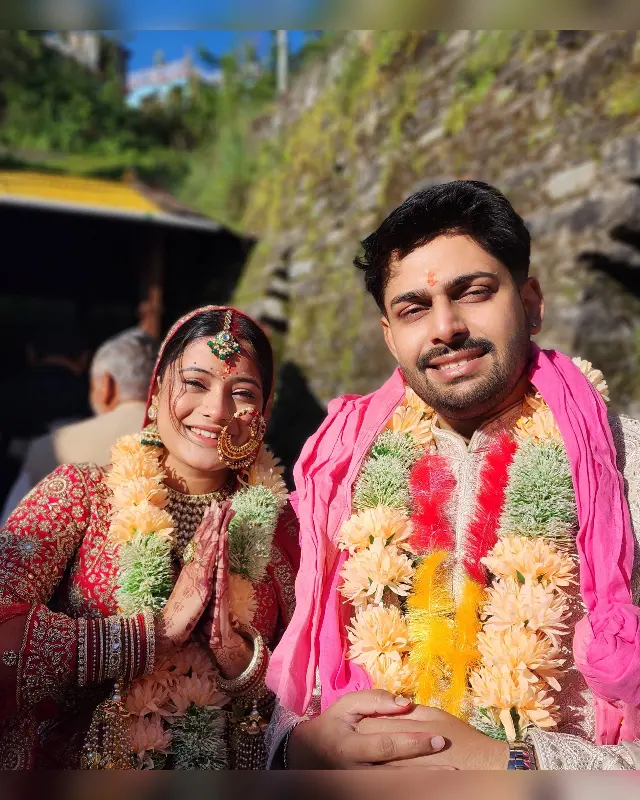
 Sacred Wedding Blessings at Triyuginarayan Mandir
#Wedding Tradition
12 ideas
Sacred Wedding Blessings at Triyuginarayan Mandir
Get new #Wedding Tradition ideas by email
Every Thursday: the week's best ideas, with the newest from #Wedding Tradition.
Related tags
Wedding Traditions and Their Meaning
Wedding traditions are the customs, rituals, and symbols that shape a marriage ceremony and the celebrations around it. They can come from religion, family history, local culture, or community practice. Some traditions are very old, passed down for generations, while others are newer customs that couples have made meaningful in their own way. What they all share is a sense of continuity: they help mark the wedding as a special passage from one stage of life to another.
Where wedding traditions come from
Many wedding traditions began as practical acts, religious blessings, or social rituals. Over time, they became symbolic. A veil may represent modesty or mystery, a ring may suggest enduring commitment, and the act of walking down an aisle may reflect the idea of being accompanied into a new chapter of life. Different cultures have their own unique customs, from exchanging gifts and vows to sharing food, music, dance, or symbolic objects.
Because weddings are so deeply tied to family and identity, traditions often carry meaning beyond the ceremony itself. They can honor ancestors, reflect faith, and bring relatives together. For many people, the tradition is just as important as the celebration.
Read more
Common kinds of wedding traditions
Wedding traditions can be grouped in many ways:
- Religious rituals: blessings, readings, prayers, chants, or sacred ceremonies
- Cultural customs: traditional clothing, ceremonial foods, dances, music, or gifts
- Family traditions: heirlooms, special dishes, familiar vows, or long-held roles in the ceremony
- Symbolic acts: ring exchanges, candle lighting, handfasting, flower garlands, or unity rituals
- Celebration customs: toasts, dances, processions, and shared meals
Some traditions are formal and structured, while others are simple and personal. You may also find that one wedding includes several traditions from different backgrounds, especially when families or faiths are blended.
What to think about when choosing traditions
If you are planning a wedding, start by asking what feels meaningful to you. A tradition is most powerful when it reflects your values, your family, or your story as a couple. You do not need to include every custom you have seen, and you do not need to keep a tradition exactly as it was done before if it no longer fits your life.
It can help to consider:
- What traditions are important to your families?
- Which customs connect you to your faith or culture?
- Which rituals feel comforting, joyful, or respectful?
- Which traditions are worth adapting so they feel natural to you?
If you are blending backgrounds, talk openly about what matters most to each side. Often, the most memorable ceremonies are the ones that balance respect for tradition with a personal touch.
Simple tips for a meaningful ceremony
Keep the ceremony clear and uncluttered so the traditions you choose can be appreciated. If you include symbolic rituals, explain them briefly in advance so guests understand their meaning. Choose clothing, music, and readings that suit the tone you want. If a family tradition is being passed on, make space for the people who will take part in it. And if you are starting a new tradition of your own, keep it simple enough that it can grow with you over time.
Wedding traditions are not only about ceremony; they are about memory, belonging, and promise. The best ones are those that help you feel grounded, connected, and ready to begin.
Videos come from YouTube and posts from Instagram; titles and summaries are our own. All rights belong to their creators.