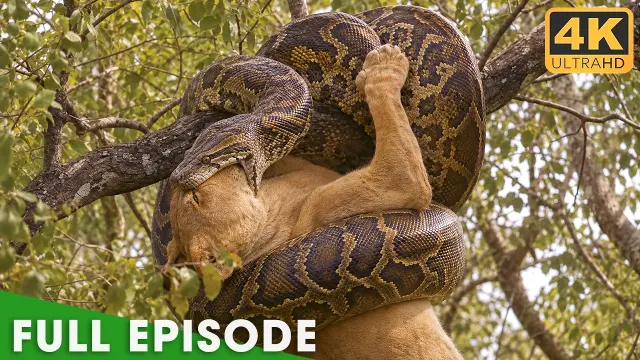
 Exploring Apex Predators and Survival in the Wild
#Wild Animals
22 ideas
Exploring Apex Predators and Survival in the Wild
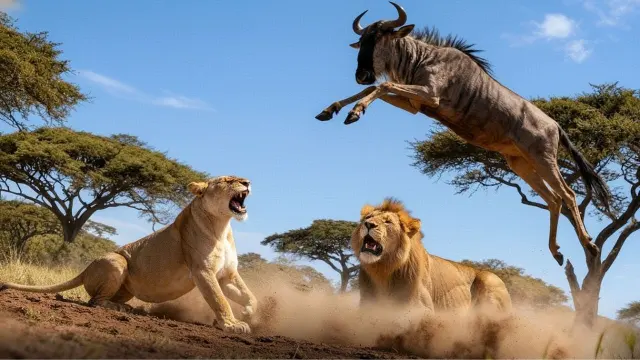 Wildlife Documentary on Survival in Uganda
 Countdown of the Cutest Wild Animals
 Wild Baby Lynx Comes to Cuddle Inside a Camping Tent
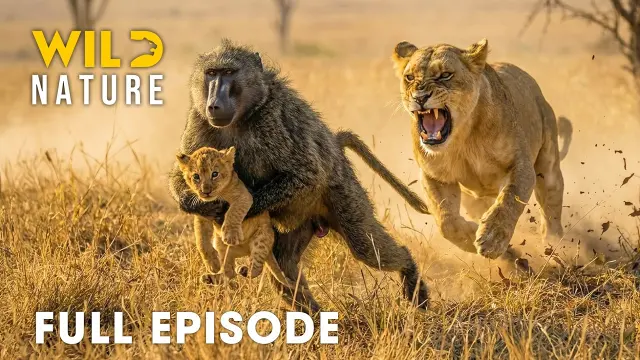 Deadliest Battles for Survival in the Wild
 Cute Animal Sounds And Names For Kids Learning
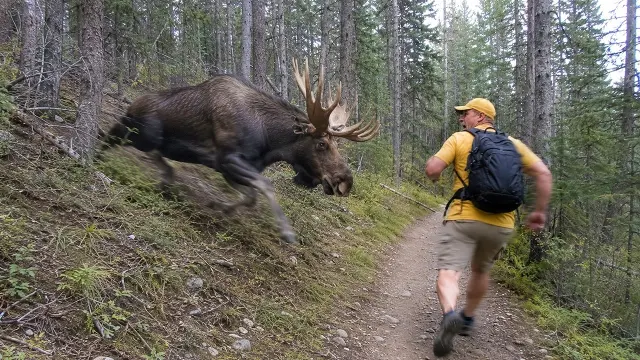 When Wild Animals Get Way Too Close
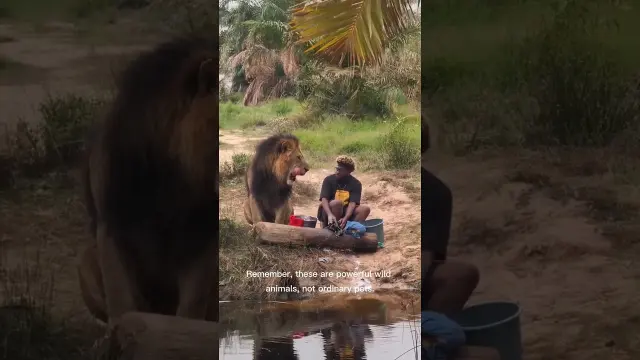 Incredible Lion Encounters in the Wild
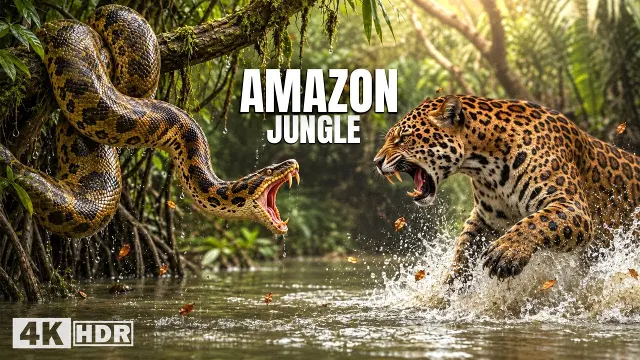 Amazon Rainforest Wildlife in 4K
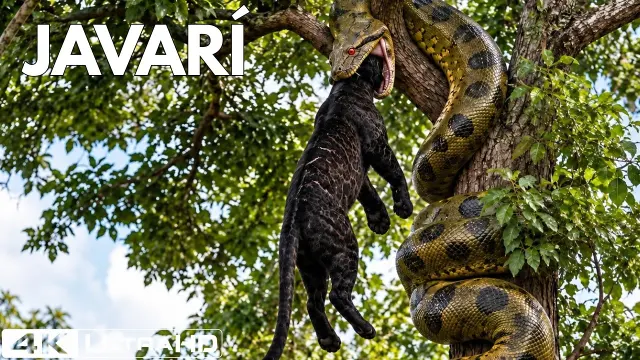 Wild Javari Black Jaguar Canopy Hunting
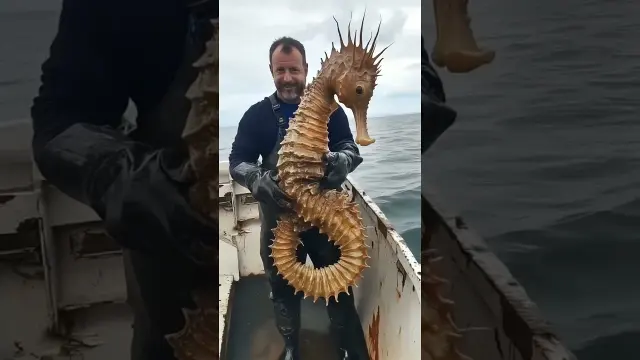 Amazing Animals You Have Never Seen Before
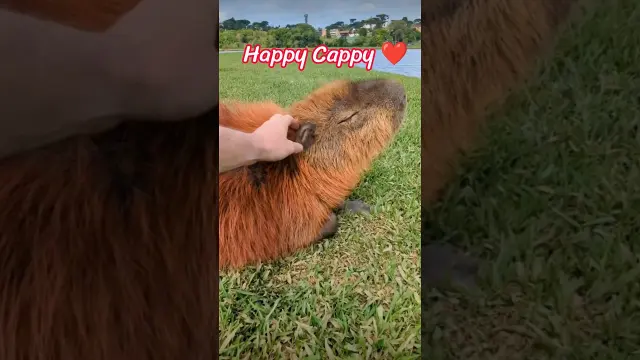 Clips of Wild Animals Acting Friendly
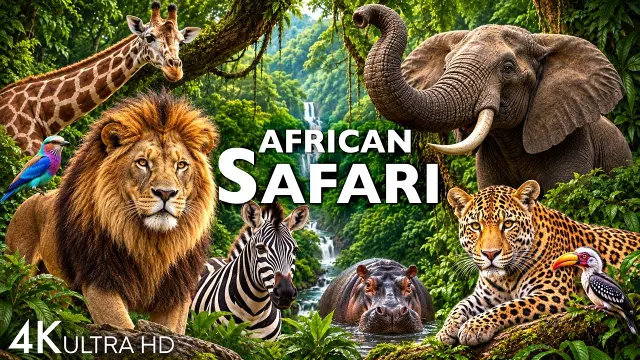 African Safari Wildlife in 4K Ultra HD
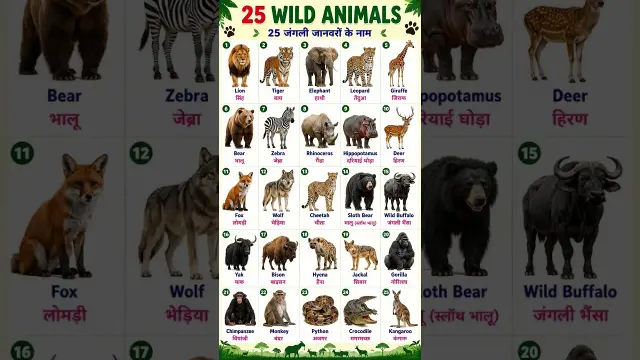 Wild Animal Names in English and Hindi
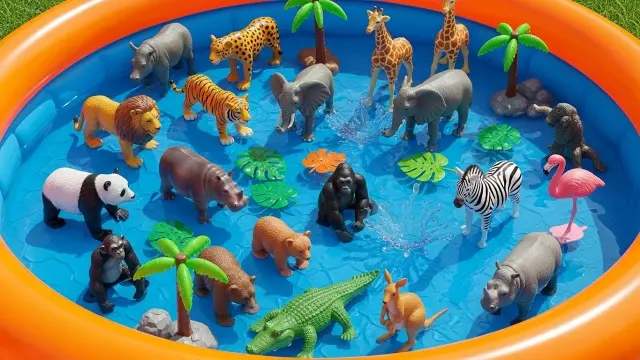 Wild Animals For Kids Learning Safari Species
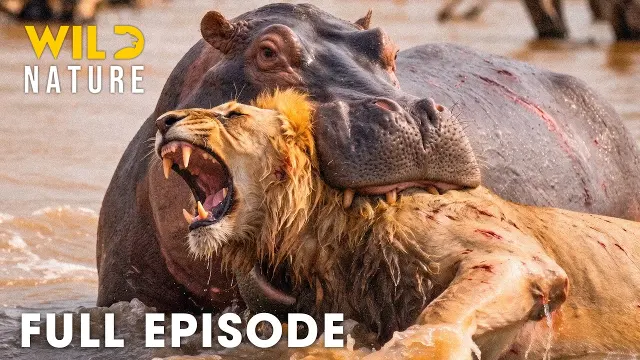 Lion Versus Hippo Zambia Deadliest Fights for Survival
 Ranking Wild Animal Growth and Transformations
 Dangerous Predators of the Philippine Wilderness
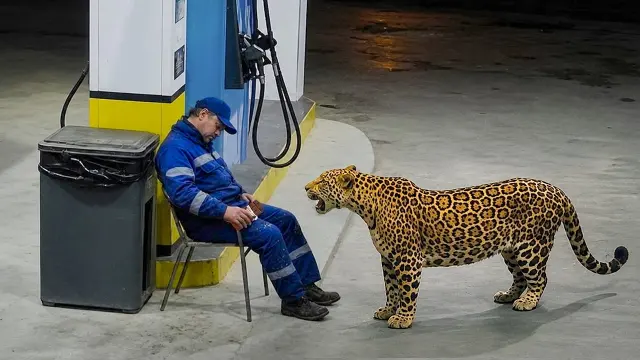 Close Encounters with Wild Animals
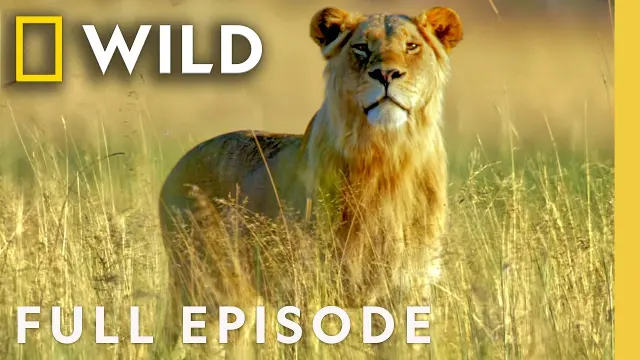 Animal Survival During the Okavango Flood
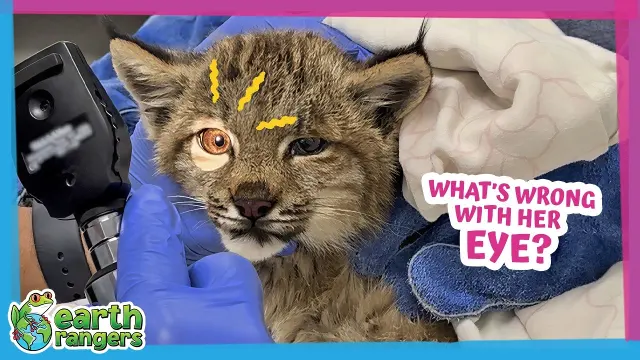 Emergency Rescue and Recovery for a Baby Lynx
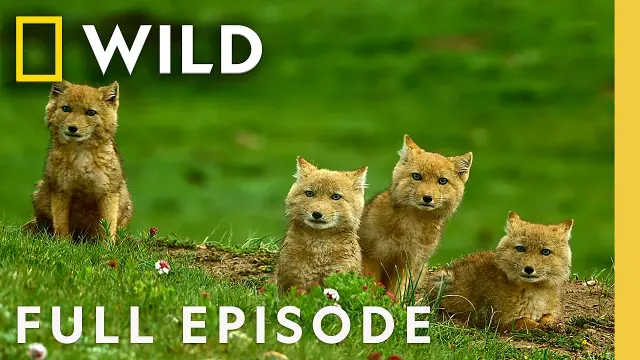 Rare Wildlife of China's Mountain Kingdoms
Get new #Wild Animals ideas by email
Every Thursday: the week's best ideas, with the newest from #Wild Animals.
Related tags
Wild Animals: A Guide to Nature’s Creatures
Wild animals are animals that live on their own in nature, rather than with people as pets or livestock. They can be found in forests, grasslands, deserts, mountains, wetlands, rivers, and oceans. Some live close to human settlements, while others stay far from people and are rarely seen. Together, they form an important part of the natural world and help keep ecosystems in balance.
What wild animals are
Wild animals include mammals, birds, reptiles, amphibians, fish, and insects that survive without human care. They find food, shelter, and mates in the environment around them. Their lives are shaped by instinct, weather, predators, migration, and the changing seasons. Some are solitary, while others live in groups, herds, packs, or colonies.
Where they come from
Read more
Wild animals belong to native habitats across the world, from jungles and savannas to tundra, coral reefs, and city parks. Every species has adapted to the place it lives. Thick fur, sharp claws, camouflage, wings, hooves, or nocturnal habits are all examples of traits that help animals survive in the wild.
Common kinds and styles of life
Wild animals can be grouped in many ways:
- By habitat: land animals, water animals, tree-dwelling animals, and animals that move between land and water
- By activity pattern: daytime animals, nighttime animals, and crepuscular animals active at dawn and dusk
- By diet: herbivores, carnivores, and omnivores
- By behavior: solitary animals, social animals, migratory animals, and territorial animals
Each kind has its own way of finding food, raising young, and avoiding danger.
How people use the term
People often use “wild animals” to talk about animals seen on safari, in national parks, in forests, or even in back gardens. The phrase can also mean any non-domesticated animal, whether it is shy and secretive or large and powerful. Children often learn wild animal names early because these animals are easy to recognise in stories, pictures, and nature guides.
What beginners should know
If you are learning about wild animals, start with the basics: where an animal lives, what it eats, and how it protects itself. Notice its size, body shape, color, and tracks or signs it leaves behind. Learn to tell the difference between animals that look similar. It also helps to understand that many wild animals are active at different times of day, so patience matters.
Safe and respectful observation
The best way to enjoy wild animals is from a distance. Do not feed them, touch them, or try to follow them closely. Feeding can make them dependent on people and may change their natural behavior. Keep noise low, stay on marked paths when you can, and give animals space to move away. If an animal seems stressed, stop watching and back away calmly.
A lasting appreciation
Wild animals remind us that nature is full of variety, movement, and adaptation. Whether you are looking at a tiny insect or a large mammal, each species has its own role in the world. The more you learn about them, the easier it becomes to notice patterns, appreciate habitats, and respect the balance that allows wild life to continue.
Videos come from YouTube and posts from Instagram; titles and summaries are our own. All rights belong to their creators.