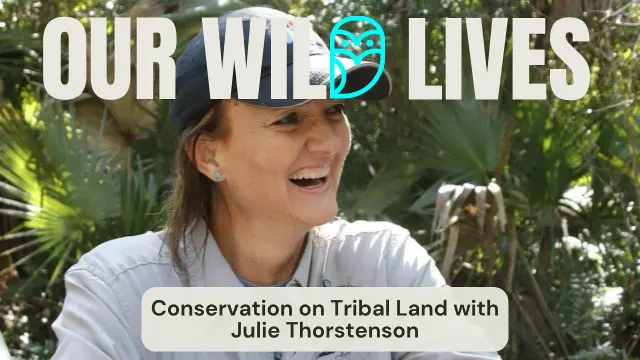
 Indigenous Wildlife Conservation with Julie Thorstenson
#Wildlife Conservation
12 ideas
Indigenous Wildlife Conservation with Julie Thorstenson
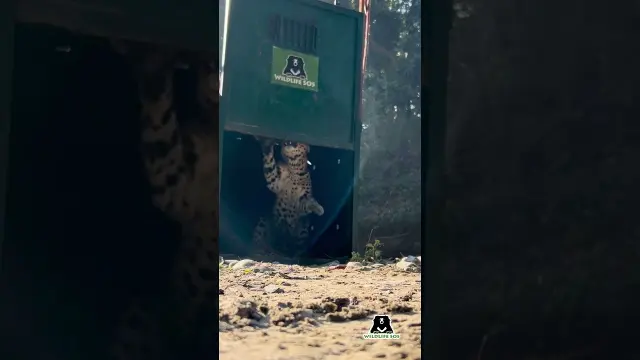 Safe Release of a Rescued Leopard Back Into the Wild
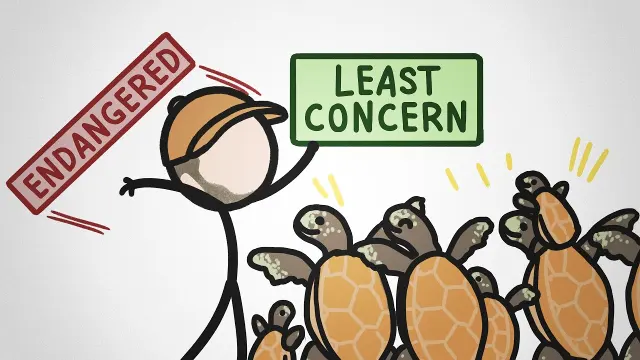 Green Sea Turtle Conservation Success
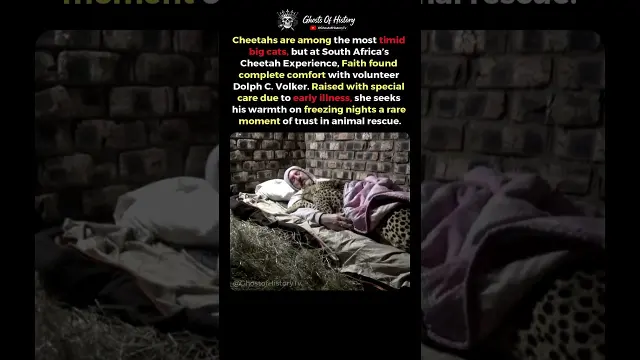 Rescued Cheetah Builds Trust With Caretaker
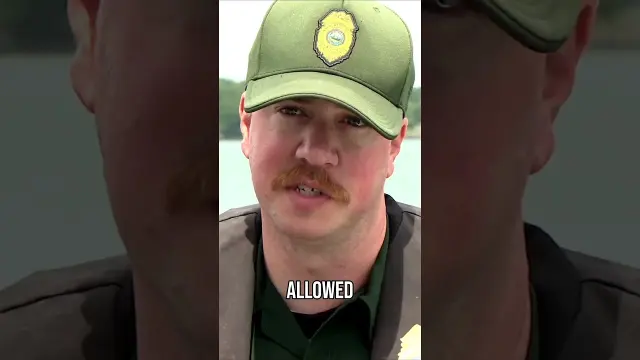 New Hampshire Conservation Officers Investigate Shoreline Activity
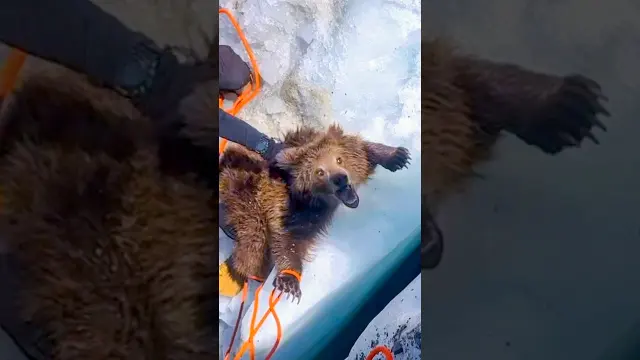 Mountaineers Rescue a Tiny Bear Cub Trapped in Ice
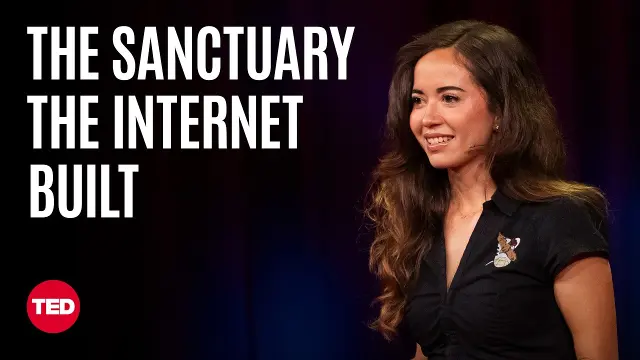 Inside the Virtual Wildlife Sanctuary With Maya Higa
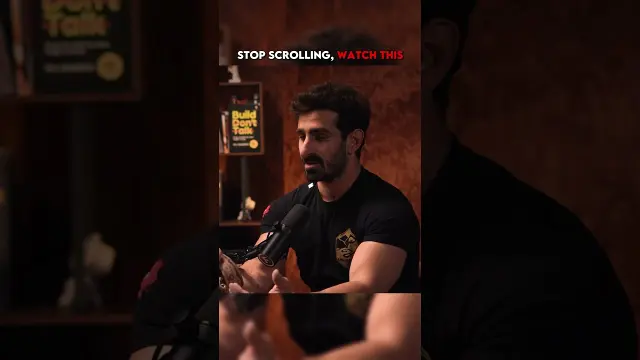 Paul Rosolie on the Dark Reality of Wildlife Conservation
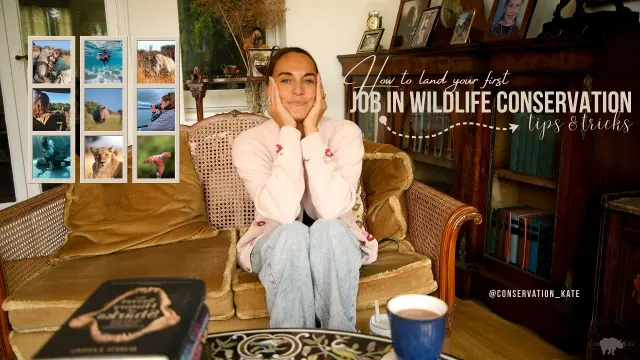 Top Tips for Finding a Job in Wildlife Conservation
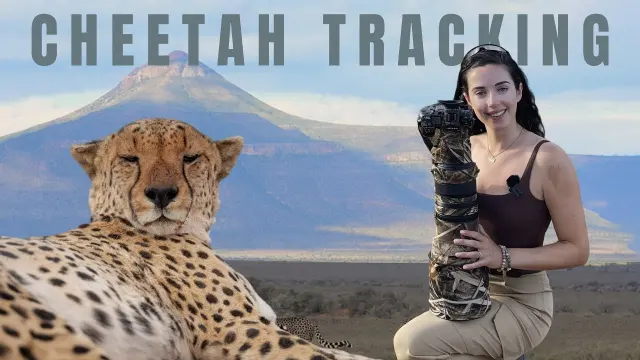 Tracking Wild Cheetahs on Foot in South Africa
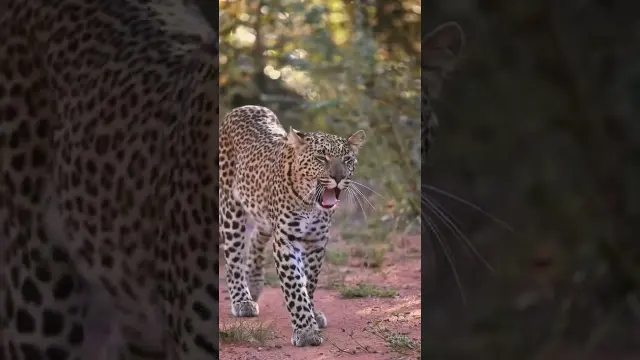 The Beauty and Camouflage of African Leopards
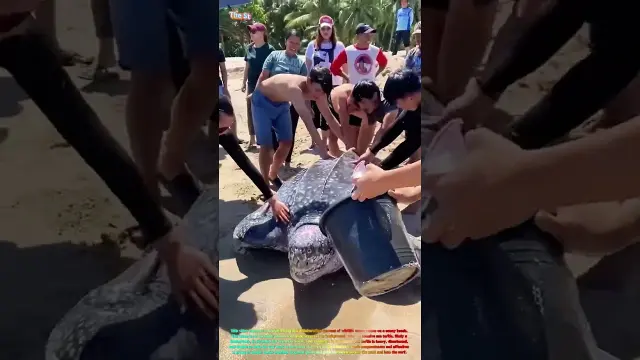 A Team Effort to Guide a Stranded Sea Turtle Back to the Ocean
Get new #Wildlife Conservation ideas by email
Every Thursday: the week's best ideas, with the newest from #Wildlife Conservation.
Related tags
Wildlife Conservation Guide
Wildlife conservation is the care and protection of wild animals and the places they live. It includes birds, mammals, reptiles, fish, insects, and many other living things, along with the forests, wetlands, grasslands, oceans, and other habitats they depend on. The aim is to keep species healthy in the wild so they can survive, reproduce, and continue their natural roles in ecosystems.
Why wildlife conservation matters
Every animal is part of a larger natural system. Predators help balance populations, pollinators support plant life, and scavengers and insects help recycle nutrients. When wildlife declines, habitats can become less stable and less diverse. Conservation is about protecting that balance, not just saving individual animals. It also helps preserve the beauty and variety of the natural world for future generations.
Main approaches to conservation
Read more
There are several common ways to protect wildlife:
- Habitat protection: preserving forests, wetlands, reefs, grasslands, and other natural places so animals have food, shelter, and breeding areas.
- Habitat restoration: repairing damaged environments by replanting native vegetation, removing invasive species, or improving water quality.
- Species protection: focusing on animals that are rare, threatened, or vulnerable to hunting, pollution, or loss of habitat.
- Wildlife corridors: connecting separate habitats so animals can move safely between them.
- Responsible management: setting rules for hunting, fishing, land use, and tourism so wildlife can recover and remain healthy.
What shapes wildlife survival
Many factors affect whether a species thrives. Some are natural, such as drought, fire, disease, or competition for food. Others are caused by people, including habitat loss, pollution, overfishing, invasive species, and climate changes that alter food sources or breeding grounds. Conservation works best when it looks at the whole habitat, not just the animal itself.
How conservation is practiced
Conservation can happen in many settings, from large protected areas to local community projects. Wildlife biologists, park rangers, volunteers, and local residents may all take part in monitoring animals, restoring habitats, or reducing threats. In many places, traditional knowledge also plays an important role in understanding land and wildlife.
What beginners should know
If you care about wildlife, start with small, practical habits:
- Learn about native species in your area and the habitats they need.
- Avoid disturbing nests, dens, or feeding areas.
- Support native plants in gardens, since they can provide food and shelter.
- Reduce litter and avoid leaving waste where animals may eat it or become trapped.
- Keep pets under control, especially near birds, small mammals, and wildlife habitats.
- Choose responsible outdoor behavior, such as staying on paths and respecting seasonal closures.
A lasting way to think about it
Wildlife conservation is not only about rare or famous animals. It is about protecting living communities and keeping nature functioning well. Whether the work involves a forest, a river, a coastline, or a garden, the principle is the same: give wildlife the space, safety, and balance it needs to continue.
Videos come from YouTube and posts from Instagram; titles and summaries are our own. All rights belong to their creators.