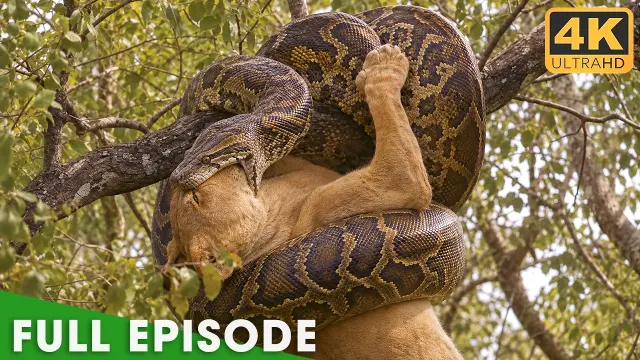
 Exploring Apex Predators and Survival in the Wild
#Wildlife Documentary
4 ideas
Exploring Apex Predators and Survival in the Wild
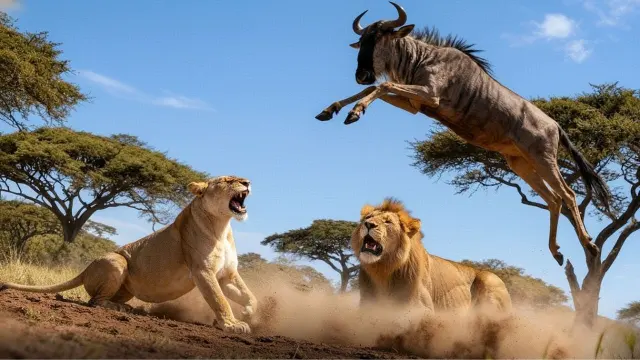 Wildlife Documentary on Survival in Uganda
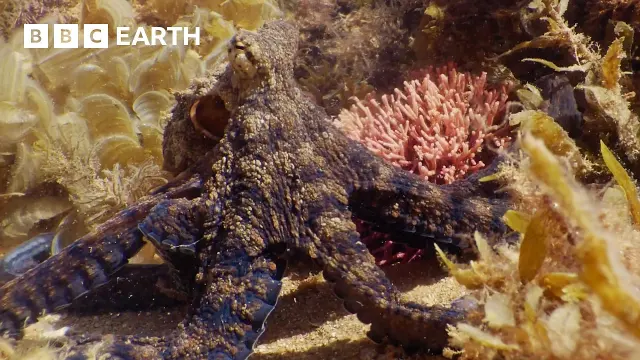 Three Hours of Wildlife and Feeding Habits Beneath the Waves
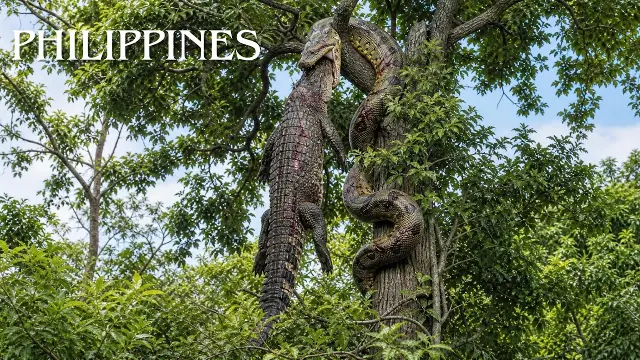 Dangerous Predators of the Philippine Wilderness
Get new #Wildlife Documentary ideas by email
Every Thursday: the week's best ideas, with the newest from #Wildlife Documentary.
Related tags
Wildlife Documentary Guide
What a wildlife documentary is
A wildlife documentary is a film or series that focuses on animals in their natural habitats. Its purpose is to show how creatures live, hunt, feed, raise young, migrate, or survive in the wild. Unlike a fictional film, it aims to observe real animal behavior and real environments, while still shaping the material into a clear story for the viewer.
Wildlife documentaries have a long tradition in television and cinema because they help people understand nature in a vivid, memorable way. They can be about a single species, a habitat such as the ocean or forest, or a wider theme like predation, adaptation, or seasonal survival.
Common subjects and styles
Read more
You’ll find many kinds of wildlife documentaries, including:
- Animal portraits that follow one species closely
- Habitat films that explore a place and the life it supports
- Behavior-focused films about feeding, mating, parenting, or migration
- Predator-and-prey stories that show the balance of survival
- Ocean, jungle, desert, tundra, and freshwater documentaries
The style can vary a lot. Some films are calm and observational, letting the images speak for themselves. Others use narration to explain what you are seeing and give context about animal behavior. Some are intimate and lyrical, while others are more dramatic and story-driven.
How they are made
Making a wildlife documentary usually takes patience, fieldwork, and careful observation. Filmmakers often spend long periods waiting for natural moments to happen. They may use hides, long lenses, and quiet movement to avoid disturbing animals. Good wildlife filming depends on respect for the subject and the environment.
The best documentaries try to balance beauty with accuracy. They should make nature feel alive without forcing animals into human-like stories. If you enjoy this kind of film, pay attention to whether the scenes feel grounded in real behavior and habitat.
What to watch for as a viewer
When you choose a wildlife documentary, you might enjoy looking for:
- Clear observations of natural behavior
- Strong sense of place and habitat
- Respectful filming that does not feel intrusive
- Narration that explains rather than overstates
- A balance between information and atmosphere
It can also help to notice how the film shows animal relationships. A good documentary often reveals that survival in nature is not just about predators and prey, but also about climate, food, shelter, cooperation, and timing.
Tips for beginners
If you are new to wildlife documentaries, start with a subject that interests you most, such as marine life, big cats, birds, or forest animals. Shorter films can be a good introduction because they focus on one idea at a time. If you prefer a deeper experience, longer documentaries often build a wider picture of a habitat and its rhythms.
Watch with patience. Nature does not always move quickly, and some of the most rewarding moments are quiet ones: a nest being built, an animal foraging, or a subtle change in group behavior. Wildlife documentaries can teach you to look more closely at the natural world and appreciate how much happens just outside ordinary view.
Videos come from YouTube and posts from Instagram; titles and summaries are our own. All rights belong to their creators.