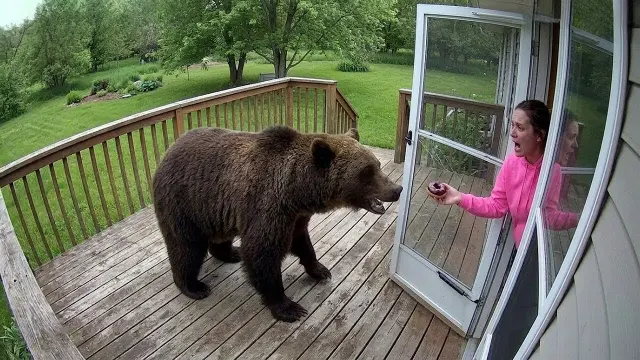
 Wild and Potentially Dangerous Animals Displaying Friendly Behavior
#Wildlife
38 ideas
Wild and Potentially Dangerous Animals Displaying Friendly Behavior
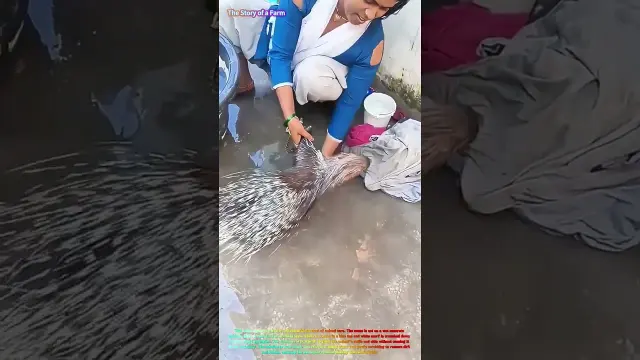 Satisfying Animal Care: Giving a Porcupine a Bath
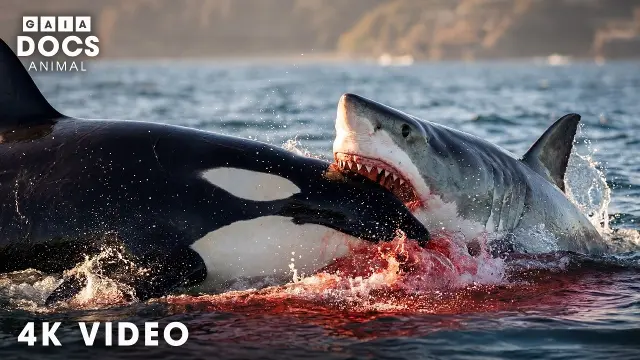 Exploring the Predators and Marine Life of the Pacific Ocean
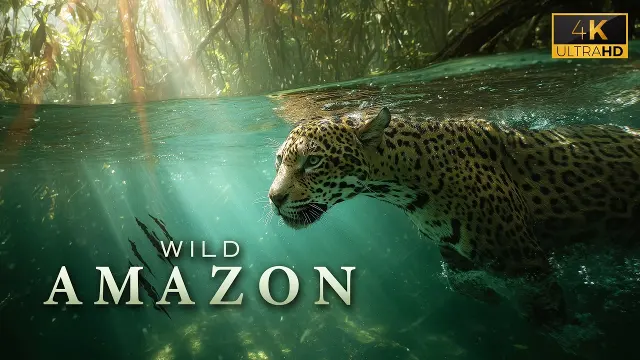 Unreal Amazon Rainforest Wildlife Documentary
 Global Animal Sounds And Habitats Musical Adventure
 Incredible Animal Moments Caught on Camera
 Close Encounters with Wild Animals
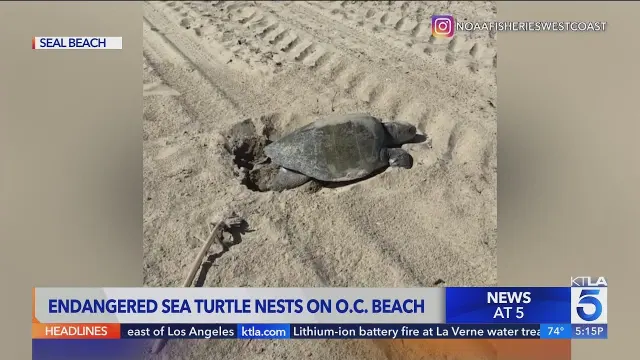 Second Sea Turtle Spotted Nesting on Southern California Beach
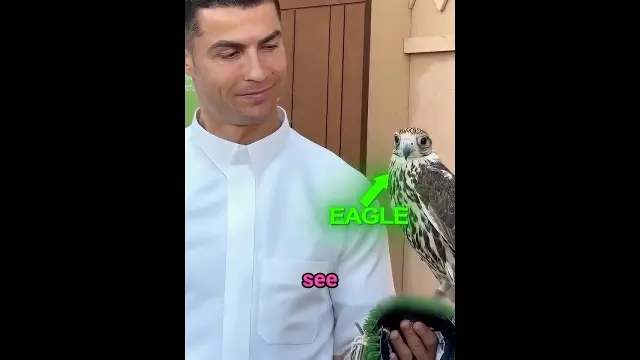 Celebrity and Public Figures Interacting with Wild and Stray Animals
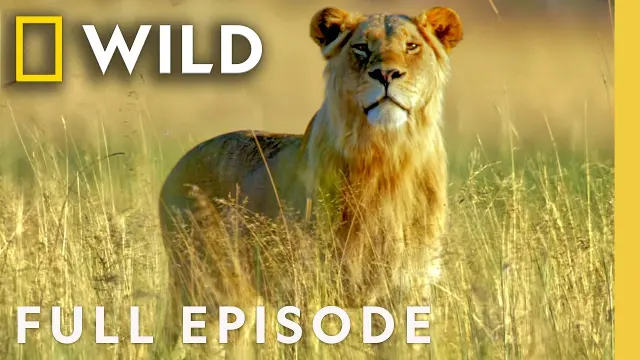 Animal Survival During the Okavango Flood
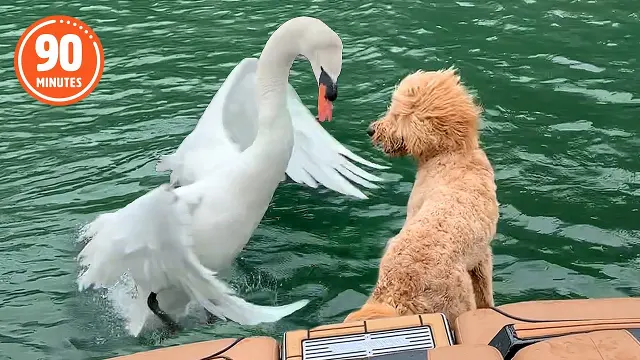 The Funniest Pet Moments and Epic Fails of the Year
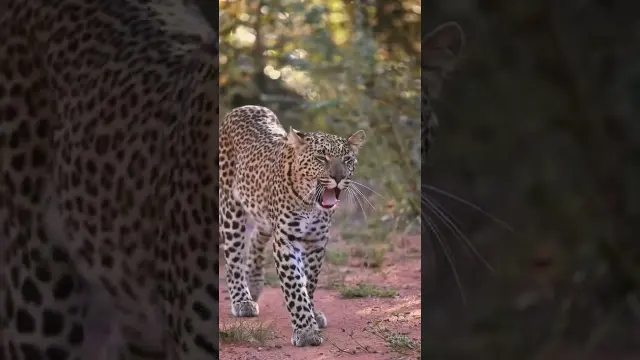 The Beauty and Camouflage of African Leopards
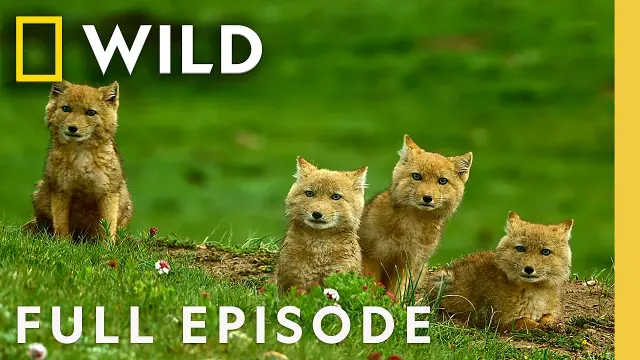 Rare Wildlife of China's Mountain Kingdoms
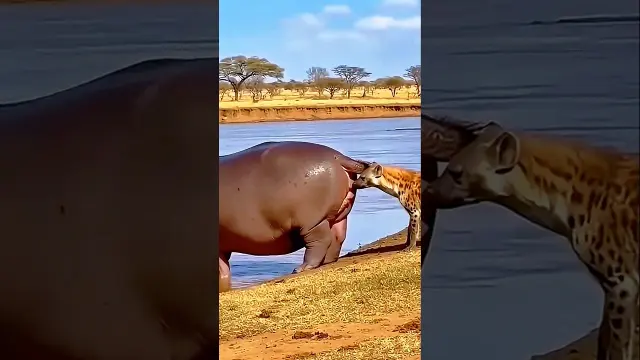 The Unluckiest Animals in the World Captured on Camera
Get new #Wildlife ideas by email
Every Thursday: the week's best ideas, with the newest from #Wildlife.
Related tags
Wildlife: Understanding Animals in Their Natural World
What wildlife means
Wildlife is the living world of animals in their natural habitats, from insects and birds to mammals, reptiles, amphibians, and marine life. It includes creatures in forests, grasslands, deserts, mountains, wetlands, rivers, and oceans. When people talk about wildlife, they usually mean animals that live without domestication and follow the rhythms of nature rather than human schedules.
Wildlife has always been part of human life. For as long as people have lived alongside nature, animals have provided inspiration, warning, food, companionship at a distance, and a sense of wonder. Many cultures express wildlife through stories, art, symbols, and conservation traditions.
Habitats and behavior
Read more
Every species depends on a habitat that provides food, shelter, water, and space. Some animals are highly territorial, while others live in groups for protection or social structure. Some migrate with the seasons, and others stay in one area all year. No two species behave in exactly the same way, so it helps to watch wildlife with patience instead of expecting simple rules.
Animal behavior is shaped by survival needs. Feeding, mating, nesting, raising young, hiding from predators, and finding safe routes through the landscape are all part of daily life in the wild. If you spend time observing animals quietly, you may notice routines such as dawn feeding, evening activity, grooming, or movement along familiar paths.
Main ways people enjoy wildlife
People experience wildlife in many ways:
- Birdwatching in parks, gardens, wetlands, and woodlands
- Nature walks and guided safaris
- Beach and marine wildlife watching
- Backyard observation with native plants and water sources
- Wildlife photography and sketching
- Learning through field guides, museums, and nature centers
You do not need to travel far to appreciate wildlife. Even a small green space can attract butterflies, bees, birds, and other small creatures.
Tips for beginners
If you are new to wildlife watching, start slowly and keep things simple:
- Move quietly and give animals space
- Use binoculars or a camera zoom instead of getting closer
- Avoid feeding wild animals, since it can harm their health and behavior
- Stay on paths where possible to protect habitats
- Learn the names of common local species first
- Watch for signs such as tracks, nests, feathers, droppings, or burrows
A useful habit is to observe without touching. Wildlife is best appreciated as wild life, not as pets or decorations. Respect nesting sites, den areas, and feeding grounds, especially during sensitive times when animals are raising young or resting.
Why wildlife matters
Wildlife helps keep ecosystems balanced. Predators, pollinators, seed dispersers, scavengers, and soil-dwelling creatures all play important roles. When habitats are healthy, wildlife can thrive, and people benefit too through cleaner water, richer landscapes, and a stronger connection to nature.
If you want to support wildlife, focus on simple care for the environment: reduce litter, protect native plants, keep pets from disturbing animals, and leave natural places as undisturbed as possible. Small choices can make a real difference over time.
Videos come from YouTube and posts from Instagram; titles and summaries are our own. All rights belong to their creators.