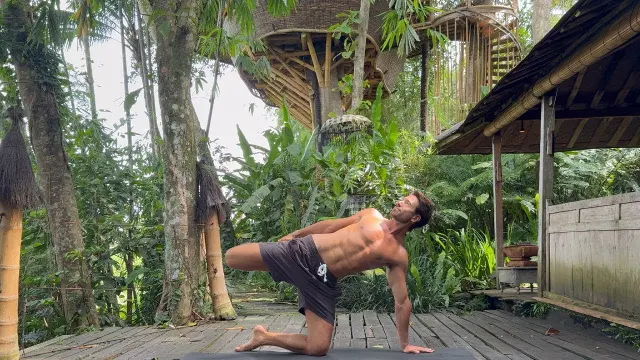
 20 Minute Morning Yoga Flow for Daily Energy and Focus
#Yoga Routine
16 ideas
20 Minute Morning Yoga Flow for Daily Energy and Focus
 30 Minute Daily Yoga Routine and Full Body Flow
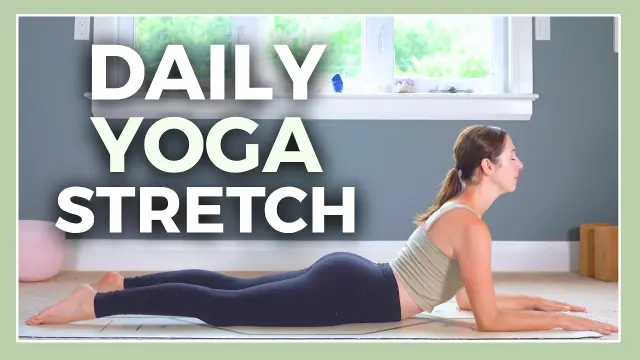 15 Minute Full Body Stretch and Flexibility Yoga Flow
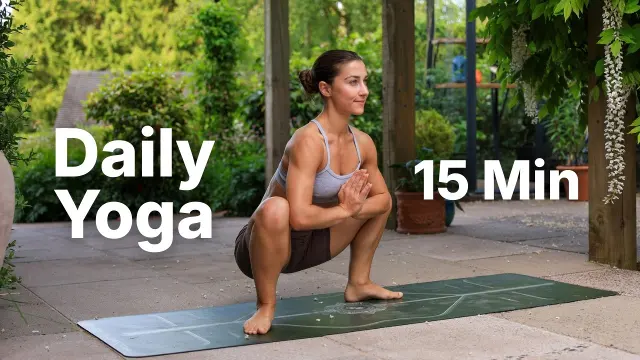 15 Minute Daily Yoga Flow for Everyday Full Body Practice
 30 Minute Full Body Yoga Flow for Strength and Flexibility
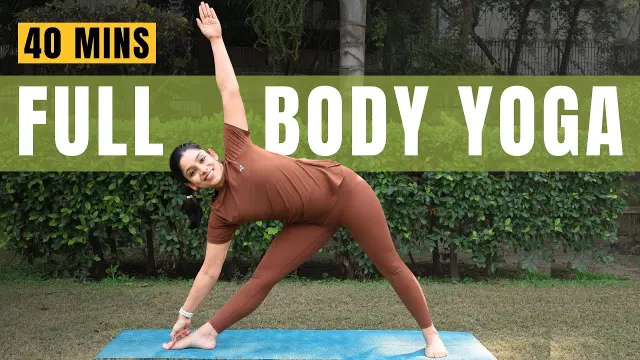 Full Body Yoga at Home with a 40-Minute Daily Routine
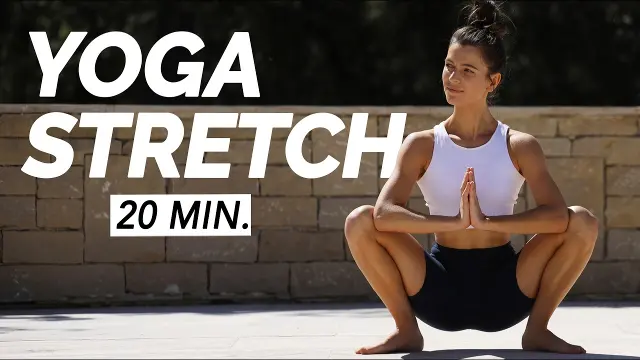 20 Minute Daily Yoga Stretch Routine for All Levels
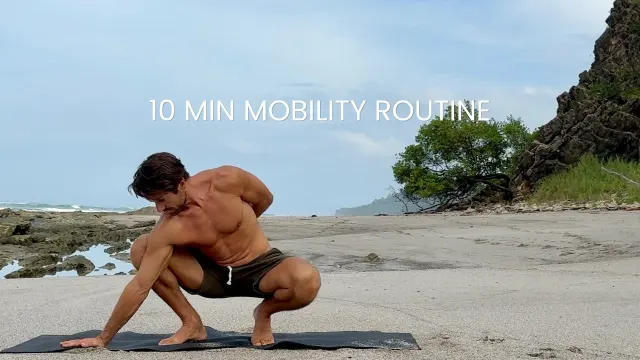 10 Minute Morning Yoga Mobility Routine for Everyday Practice
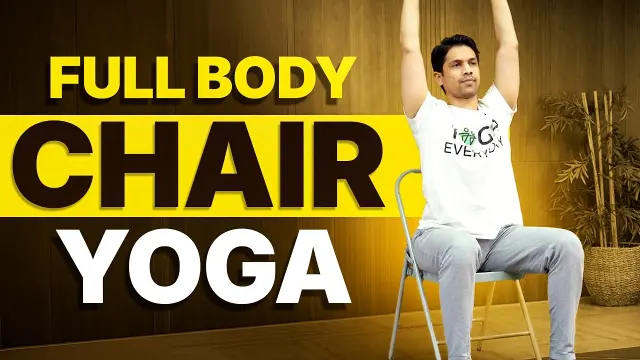 10 Minute Chair Yoga Routine to Relieve Stiffness and Feel Fresh
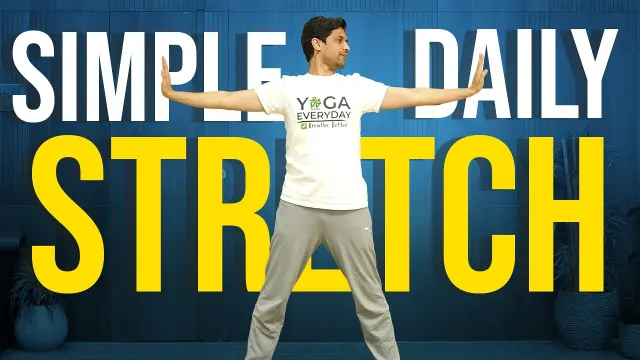 10 Minute Daily Morning Stretch Routine for Flexibility
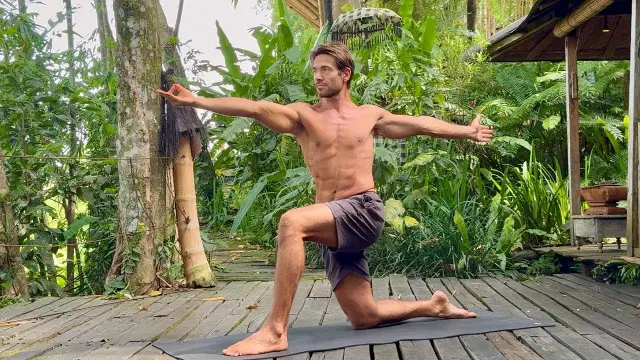 20 Minute Full Body Yoga Flow for Strength and Mobility
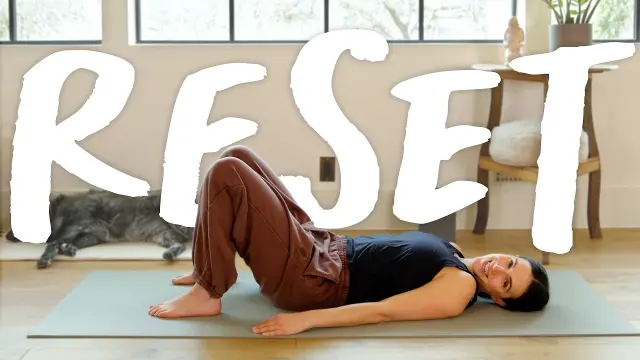 Nervous System Reset with a 10 Minute Gentle Yoga Practice
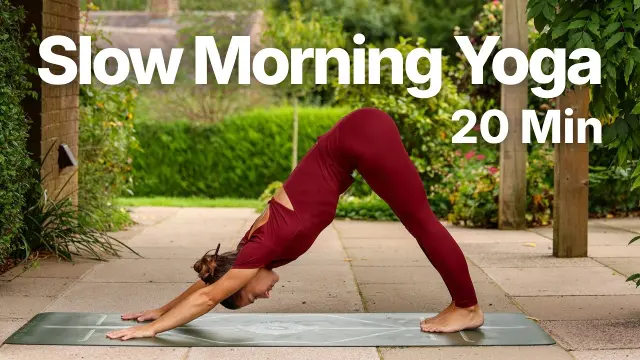 20 Minute Slow Morning Yoga Flow for All Levels
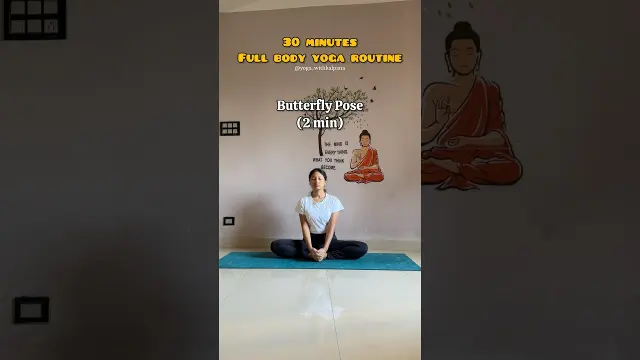 30 Minute Full Body Yoga Routine
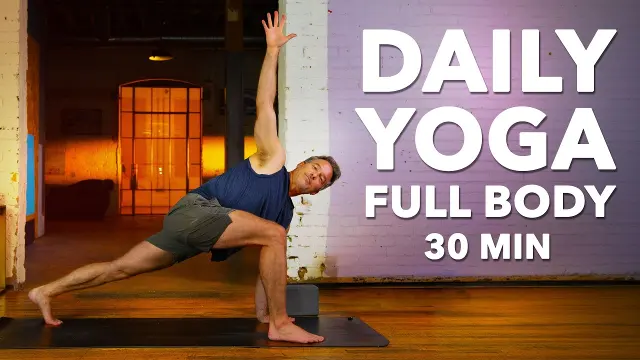 30 Minute Daily Total Body Yoga Flow Routine
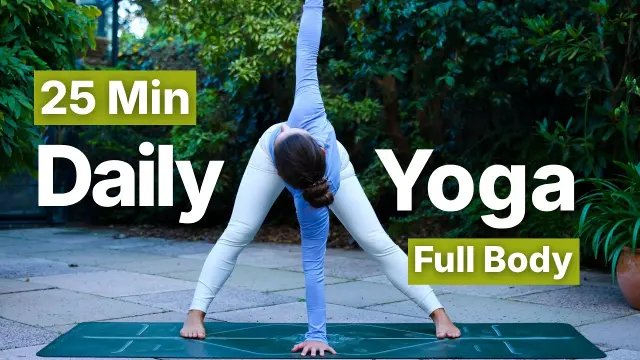 25 Minute Daily Full Body Yoga Routine
Get new #Yoga Routine ideas by email
Every Thursday: the week's best ideas, with the newest from #Yoga Routine.
Collections
Related tags
Yoga Routine Guide
What a yoga routine is
A yoga routine is a repeated sequence of yoga poses, breathing, and stillness that you practice in a steady order. It can be short or long, gentle or active, and it may focus on the whole body, relaxation, strength, flexibility, or a mix of all four. Some routines begin slowly to wake up the body, build into more effort, and end with calming stretches or rest.
Yoga has roots in ancient Indian traditions, where it developed as a broad practice that included movement, breath, focus, and self-discipline. Today, many people use a yoga routine to support mobility, body awareness, and a sense of calm. The exact style can vary a lot, but the basic idea is the same: move with attention and breathe steadily.
Main types of yoga routines
Read more
Yoga routines are usually shaped by purpose and pace. Gentle routines often use slower movements, longer holds, and simple transitions. More active routines may include a continuous flow from one pose to the next. Some routines are designed for the morning, when the goal is to ease stiffness and start the day gently. Others are better suited to evenings, when slower breathing and restful poses help you unwind.
You may also find routines that focus on:
- Flexibility and stretching
- Strength and balance
- Relaxation and stress relief
- Full-body movement
- Recovery after busy or tiring days
What beginners should know
If you are new to yoga, keep the routine simple. You do not need to do difficult poses to benefit from practice. A short routine done regularly is often easier to maintain than a long one you rarely repeat. Start with movements that feel steady and comfortable, and give yourself time to learn how each shape feels in your own body.
A few useful basics:
- Move slowly and avoid forcing any pose
- Breathe evenly instead of holding your breath
- Use props such as a folded blanket, cushion, or wall if needed
- Rest whenever you feel tired
- Focus on comfort, not perfection
It also helps to pay attention to alignment in a gentle way. Good alignment means making the pose stable and manageable for your body, not copying an exact shape. If something causes pain, come out of it and choose an easier variation.
How to build a balanced routine
A simple yoga routine usually works best when it follows a clear structure. You might begin with a few breaths and easy movements, then include standing poses, seated stretches, and a quiet finish. This gives your body a chance to warm up, move, and settle again.
A balanced routine can include:
- Centering with breath
- Warm-up movements for the spine and joints
- Standing postures for strength and balance
- Floor poses for stretching
- A final resting pose or quiet sitting
Tips for practice
Try to practice in a calm space where you can move safely. Wear clothing that lets you breathe and bend easily. If you are practicing at home, keep the floor clear and use a mat or nonslip surface if possible. Most importantly, be consistent in a way that fits your life. A yoga routine works best when it feels sustainable, thoughtful, and kind to your body.
#Yoga Routine: frequently asked questions
How do I start a yoga routine if I have never practiced before?
Begin with a short, simple sequence and repeat it regularly rather than attempting a long, complicated practice. Choose movements that feel steady and comfortable, move slowly, and breathe evenly instead of forcing any shape. Props such as a folded blanket, a cushion, or a wall can make poses easier while you learn how they feel in your body.
What do I actually need to practice yoga at home?
A calm, uncluttered space where you can move safely is the main thing, along with clothing that lets you bend and breathe easily. A mat or another nonslip surface helps your feet and hands stay planted, though a clear floor is enough to begin. Blankets, cushions, and a wall are useful supports for poses that feel unsteady.
How do I choose which kind of yoga routine to follow?
Think first about purpose and pace: gentle routines use slower movement and longer holds, while more active ones flow continuously from pose to pose. The time of day matters too, since an energizing morning sequence eases stiffness while a slower evening practice helps you unwind. Pick the goal that fits you now, whether that is flexibility, strength, relaxation, or simply moving the whole body.
What does a well-balanced yoga routine look like from beginning to end?
A simple structure usually works best: begin with a few breaths and easy movements, then work through standing poses, seated or floor stretches, and finish quietly. This order lets your body warm up, move with effort, and settle again rather than jumping straight into demanding shapes. A final rest or quiet sitting is part of the routine, not an optional extra.
What mistakes do beginners commonly make with a yoga routine?
The usual slips are forcing a pose, holding the breath, and trying to copy an exact shape instead of finding one that is stable for your own body. Another common one is starting with a long routine that is hard to repeat, when a shorter practice done regularly is easier to keep up. If something causes pain, come out of it and take an easier variation rather than pushing through.
How do I keep a yoga routine going over time?
Make it sustainable rather than ambitious: a brief practice you actually repeat does more for you than an elaborate one you rarely return to. Fit it around your real schedule and keep the space and clothing ready so starting is easy. Treat the practice as something kind and thoughtful rather than a test you can pass or fail.
Videos come from YouTube and posts from Instagram; titles and summaries are our own. All rights belong to their creators.