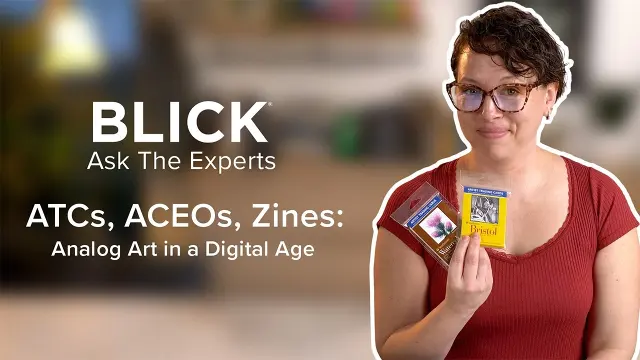
 Small Analog Art in a Digital Age: ATCs, Zines, and Books
#Zines
1 ideas
Small Analog Art in a Digital Age: ATCs, Zines, and Books
Get new #Zines ideas by email
Every Thursday: the week's best ideas, with the newest from #Zines.
Related tags
Zines: Small-Format Self-Published Magazines
Zines are small self-published booklets made to share ideas, art, stories, opinions, or information without going through a traditional publisher. They can be folded from a single sheet of paper, stapled into a simple booklet, or assembled in more creative ways. At their heart, zines are personal, independent, and often made in small runs. They have long been used by artists, writers, fans, activists, and anyone who wants to make something intimate and direct.
What a zine is
A zine is usually low-cost, handmade, and free from strict editorial rules. That freedom is what makes zines special. They can be rough and expressive or carefully designed and polished. Some are one-off experiments; others are part of a continuing series. A zine can focus on almost anything: drawings, poetry, photographs, personal essays, comics, instructions, collage, diaries, recipes, or a mix of several forms.
Common kinds of zines
Read more
There is no single correct style, but some common types are easy to recognize:
- Personal zines: reflective, diary-like, and often about everyday life
- Art zines: built around illustration, collage, or mixed media
- Photo zines: using images to tell a visual story or capture a mood
- Comic zines: short-form comics, strips, or graphic storytelling
- Poetry and prose zines: collections of writing, sometimes with a handmade feel
- Fanzines: made by fans around music, books, films, or subcultures
- Informational zines: sharing practical knowledge, opinions, or activism
Many zines blend several of these forms. That mix-and-match spirit is one of their strengths.
Where zines come from
Zines grew out of independent print culture, where people made and circulated their own publications outside mainstream channels. They became especially important wherever people wanted a voice that felt personal, local, or unofficial. Zines have often been used to build community, share overlooked perspectives, and connect with readers who enjoy something more direct than a glossy magazine.
How zines are usually made
Zines are often made with simple materials and a hands-on approach. You might use:
- handwriting or typewritten text
- collage, cut paper, stamps, or photocopies
- drawings, scans, photographs, and found images
- simple page layouts with room for the eye to move
A beginner-friendly zine can start with one folded sheet of paper, which becomes a small booklet. More pages can be added by stapling, binding, or assembling loose sheets. The best approach is often the simplest one that lets your idea come through clearly.
Tips if you want to make one
If you are making your first zine, start small. Choose one topic, one feeling, or one message. Keep the structure simple so the content stays strong. Read your pages aloud to check the flow, and leave some breathing room so the zine feels easy to follow. If you want a handmade look, let some imperfections stay; they often add character. If you want a cleaner result, keep your layout consistent and legible.
Zines are useful because they make room for individual voice. Whether yours is playful, political, poetic, or practical, it can be a small object with a strong point of view.
#Zines: frequently asked questions
How do I start making a zine if I have never made one before?
Begin with a single idea — a feeling, a topic, or a small story you want to tell — and keep the format modest so the content carries the piece. A sheet of paper folded into a booklet is enough for a first attempt, and you can add pages later by stapling or binding. Work by hand first and don't worry about polish; the goal is to finish something and see how it reads.
What materials and tools do I actually need?
Nothing specialised: paper, something to write or draw with, and a way to reproduce or fasten the pages is the core of it. Scissors, glue, stamps, found images and a photocopier open up collage and photocopy-based styles, while scans and simple layouts suit a cleaner look. Choose the simplest set of tools that lets your idea come through clearly.
Which kind of zine should I make?
Pick the form that matches what you already have to say — diary-like writing suits a personal zine, images suit a photo zine, and short comics or collected poems have their own natural shapes. Many zines mix several kinds, so you don't have to commit to one category. If you're unsure, start with the material you're most excited about and let the format follow.
How do I take care of a zine so it lasts?
Zines are often made from ordinary paper and simple bindings, so keep them dry, out of direct sun, and away from damp or heat. Store them flat or upright in a box or folder rather than piled under heavy things, and handle photocopied or stapled pages gently since those are the parts that wear first. If a copy matters to you, treat it as a keepsake and keep a separate reading copy.
What are common mistakes beginners make?
The usual pitfalls are trying to cover too much in one issue, over-designing before the content is settled, and leaving no white space so the pages feel crowded. Reading your pages aloud and checking the flow catches most of these problems before you assemble. Leaving some imperfections in a handmade zine is fine — they often add character — but consistency and legibility matter if you want a cleaner result.
Do zines work as gifts or for a particular occasion?
Yes — a small zine makes an intimate, personal present because it's clearly made rather than bought. A collection of shared memories, recipes, drawings, or a short photo story suits birthdays, weddings, and family occasions, and a themed mini-zine works well as a party favour or a keepsake for a group. Keep the run small and the binding simple so it feels like a gesture rather than a production.
Videos come from YouTube and posts from Instagram; titles and summaries are our own. All rights belong to their creators.