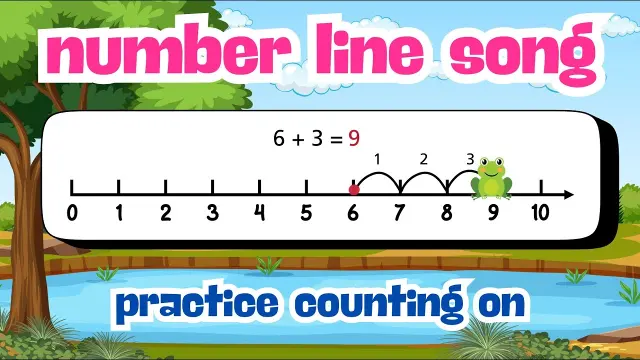
 Number Line Addition Song and Strategies for Kids
#Addition for Kids
21 ideas
Number Line Addition Song and Strategies for Kids
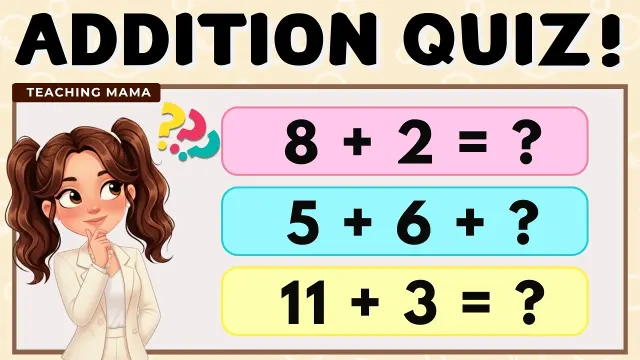 Fun Basic Addition Math Quiz Activity for Young Children
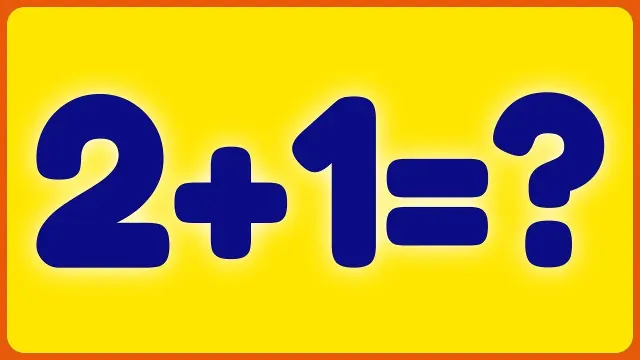 Slime Math Quiz for Kindergarten Addition Practice
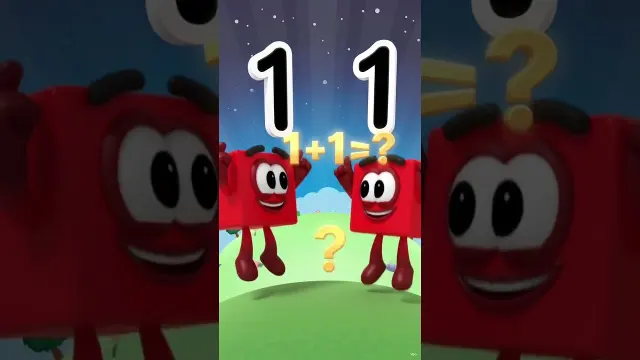 Magic Addition for Kids with Cute Blocks
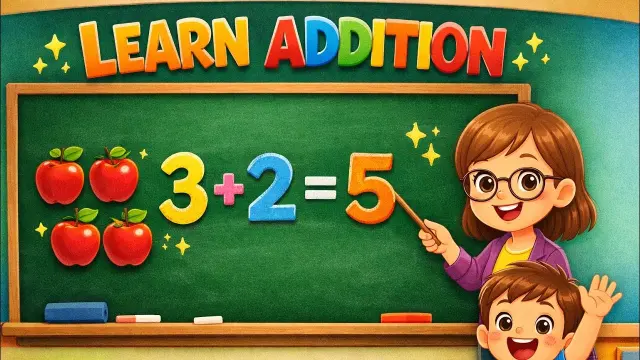 Basic Addition for Kids with Fun Counting Examples
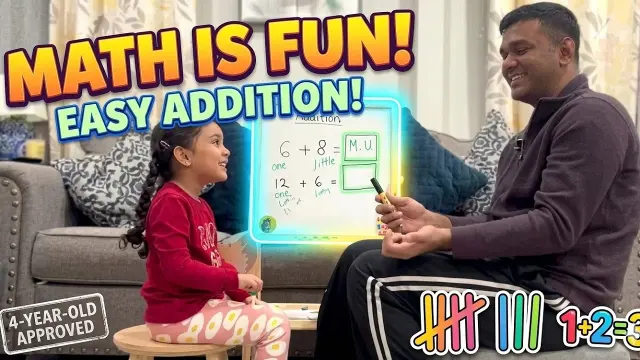 Easy Math Addition Using the Tally Method for Kids
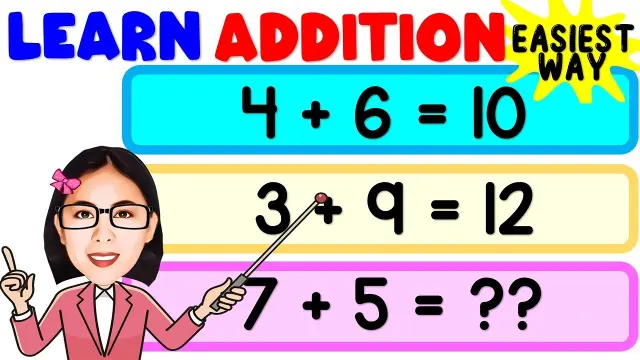 Easiest Way to Learn Addition Math Quiz for Kids
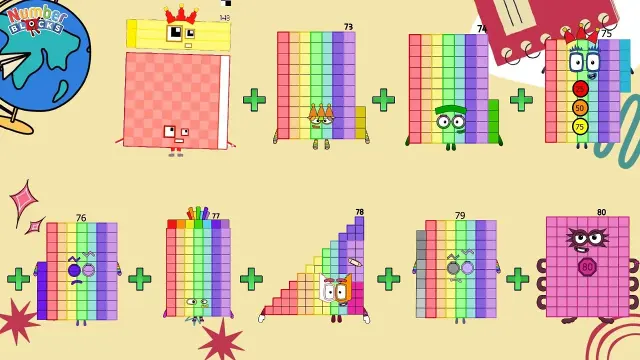 Numberblocks Addition Counting Up from 10 to 100
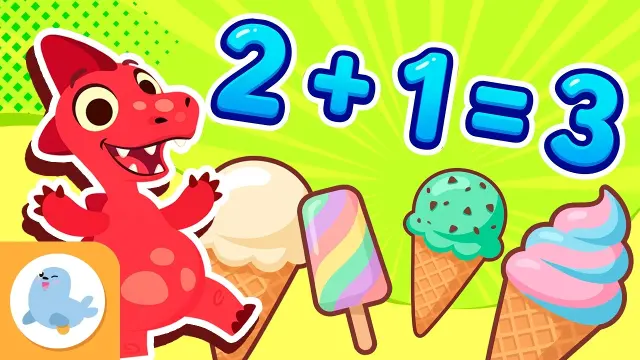 Addition Song and Visual Problems for Kids
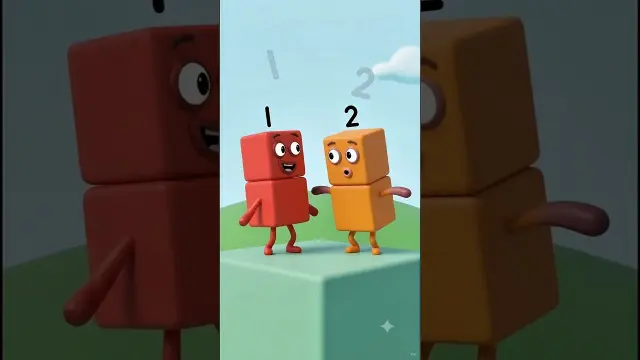 Learn Addition with Number Blocks and 3D Animation
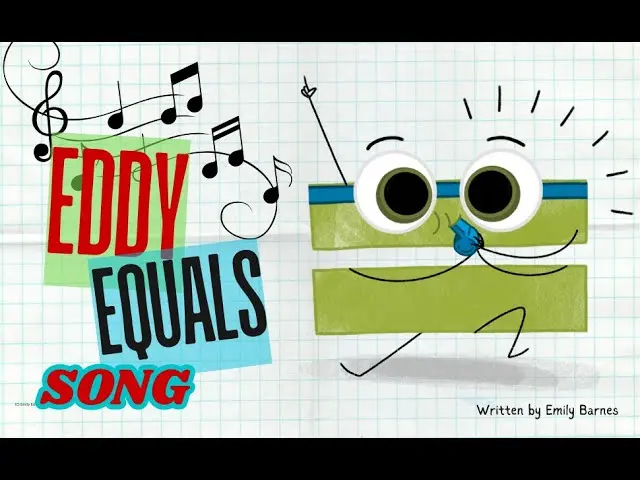 Addition and Subtraction Math Facts Song with Eddy Equals
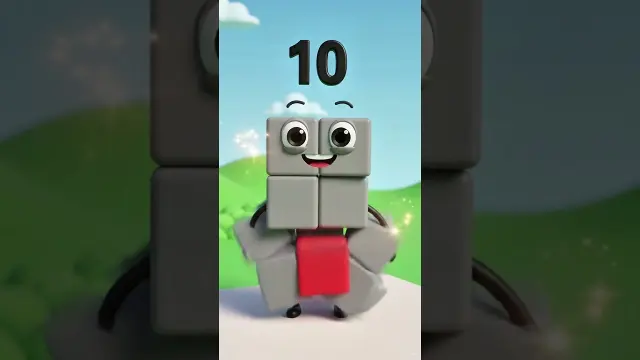 Magic Number Blocks Addition for Kids
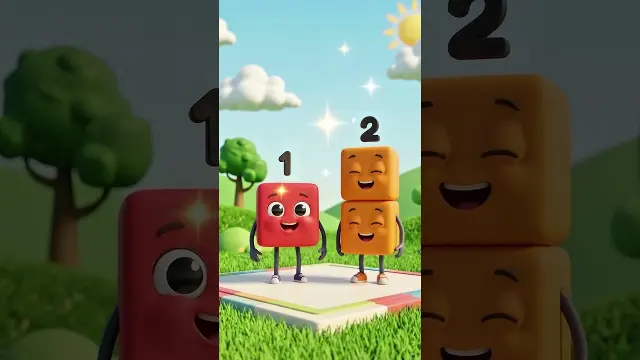 Magic Number Blocks Addition for Toddlers
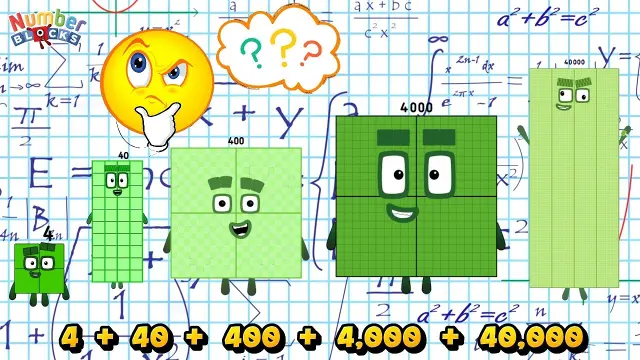 Numberblocks Addition With Big Numbers and Patterns
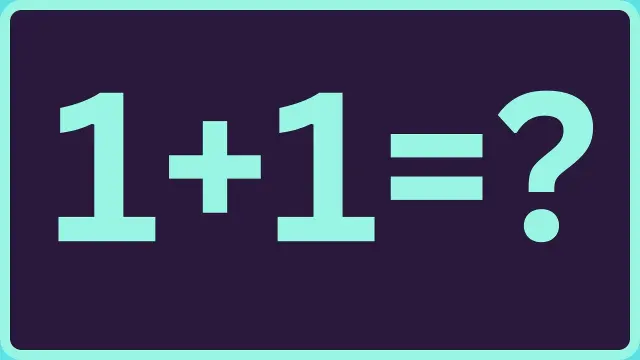 Simple Addition Practice and Quiz for Kindergarten Kids
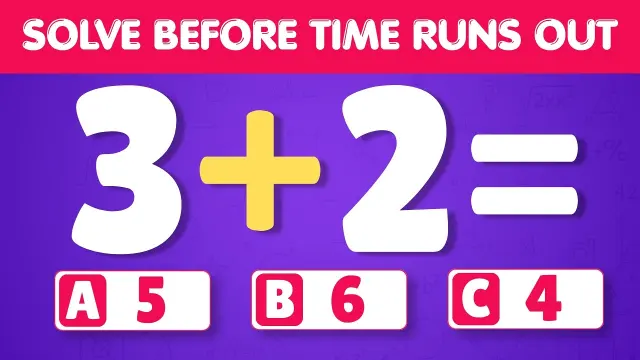 Addition Quiz for Kindergarten and Grade 1
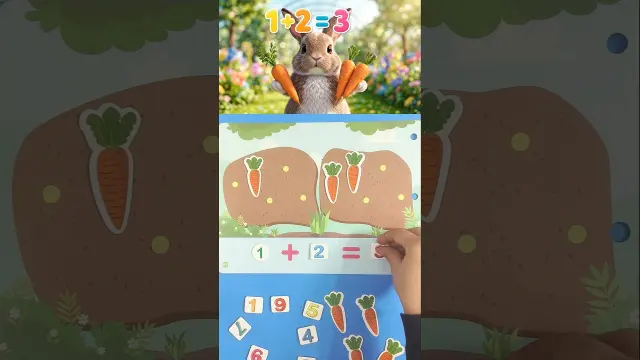 Easy Addition Song and Counting Carrots for Kids
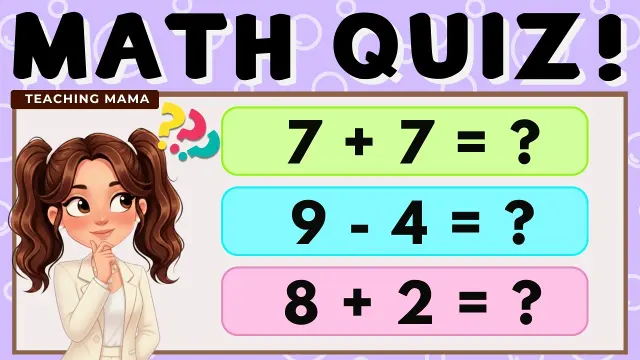 Interactive Math Quiz for Kids Addition and Subtraction
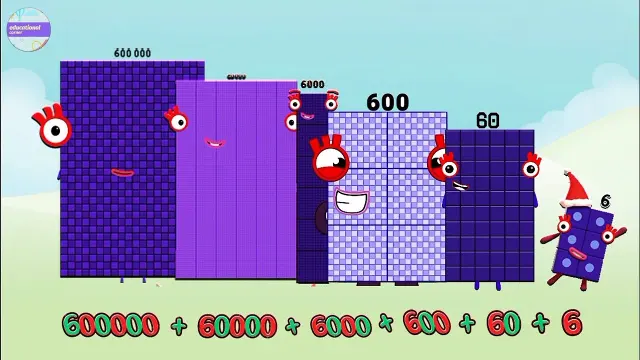 Numberblocks Addition of Big to Small Numbers
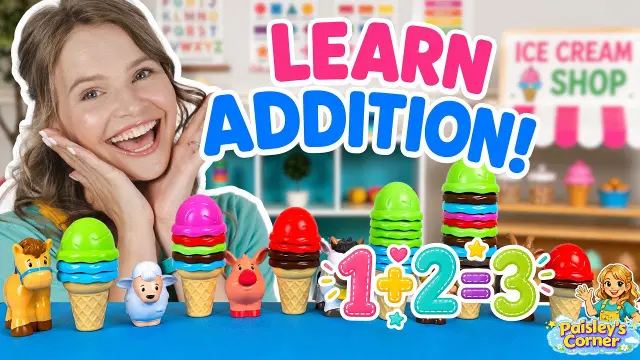 Ice Cream Shop Pretend Play Addition for Toddlers
 Kids Math Challenge: Timed Addition Practice Problems
Get new #Addition for Kids ideas by email
Every Thursday: the week's best ideas, with the newest from #Addition for Kids.
Related tags
Addition for Kids
Addition is one of the first maths ideas children learn. It means putting two or more groups together to find the total. A child may first meet addition through real objects, like toys, fruit, fingers, or blocks, long before they use numbers on paper. This makes addition feel concrete and easy to understand.
At its heart, addition answers a simple question: how many are there altogether? For example, if you have three apples and add two more, the total is five. This idea builds the foundation for many later maths skills, including subtraction, multiplication, and problem-solving.
How children learn addition
Most children begin by counting objects one by one. This helps them connect numbers to real quantities. From there, they may start to recognise small totals without counting every item, especially with familiar groups such as two, three, four, or five.
Read more
Children often move through a few common stages:
- counting physical objects
- counting fingers, dots, or pictures
- matching number symbols to quantities
- solving simple number sentences like 2 + 1 = 3
- understanding that numbers can be combined in different ways to make the same total
It helps if children can see, touch, and move things while they learn. A row of buttons, beads, cubes, or snack pieces can make addition much clearer than numbers alone.
Easy ways to practise
The best early practice is short, playful, and repeated often. You do not need complicated materials. Everyday routines can become maths moments.
Try these ideas:
- Count toys as you tidy them away.
- Put two groups of snacks together and ask how many there are.
- Use fingers to show one number, then add more fingers.
- Draw simple pictures such as stars, flowers, or circles and count the total.
- Make small stories: “There are 2 birds in the tree and 1 more lands there. How many now?”
If your child is just starting, keep the numbers small. Working within 5 or 10 helps them build confidence before moving on to larger sums.
Common ways to show addition
Children may learn addition in different forms:
- object groups: 3 blocks and 2 blocks
- pictures or dot patterns
- number sentences: 3 + 2 = 5
- number lines: starting at one number and moving forward
- stories or word problems
Each form teaches the same idea in a different way. Some children understand best by seeing objects, while others prefer numbers and symbols. It is normal for a child to need several approaches before addition feels natural.
Helpful tips for beginners
- Keep practice calm and positive.
- Use small numbers at first.
- Encourage counting aloud.
- Let your child handle objects instead of only looking at them.
- Repeat familiar examples in different ways.
- Praise effort, not just correct answers.
If a child makes mistakes, that is part of learning. They may skip a number, count an object twice, or lose track while counting. Gentle correction and more practice usually help more than rushing ahead.
Addition is more than a school skill. It helps children notice how numbers work in daily life and gives them confidence with maths. With simple examples, patience, and regular practice, most children can build a strong understanding of how numbers join together.
Videos come from YouTube and posts from Instagram; titles and summaries are our own. All rights belong to their creators.