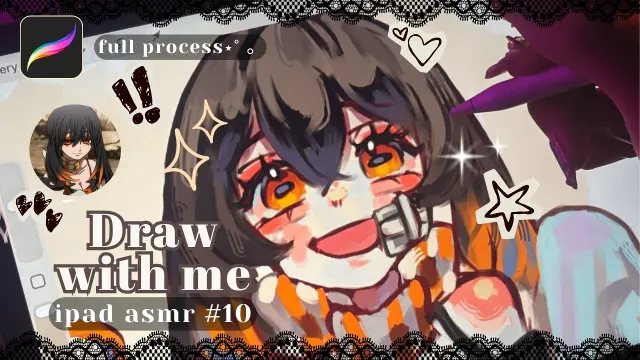
 Chill Procreate iPad Drawing and ASMR Art Process
#ASMR Art
1 ideas
Chill Procreate iPad Drawing and ASMR Art Process
Get new #ASMR Art ideas by email
Every Thursday: the week's best ideas, with the newest from #ASMR Art.
Related tags
ASMR Art: Calm Creative Sounds and Visuals
What ASMR art is
ASMR art combines visual creativity with the gentle sounds and movements that many people find soothing. ASMR stands for Autonomous Sensory Meridian Response, a tingling or deeply relaxing sensation some people experience in response to soft sounds, careful hand movements, and focused attention. In an art setting, that may mean hearing pencil strokes, brush swishes, paper crinkles, tapping, mixing, cutting, or the quiet rhythm of a creative process.
The idea is not limited to one medium. ASMR art can include drawing, painting, lettering, crafting, collage, sculpting, or digital illustration. What connects it all is the calming experience of watching someone create slowly and deliberately, often with minimal talking and a strong focus on texture, detail, and sound.
Where it comes from
Read more
ASMR as a term grew from online communities that described relaxing sensory experiences. Over time, artists and creators began combining those sounds with visual art making. This made creative videos feel more immersive and comforting, especially for viewers who enjoy quiet, repetitive actions and clear visual focus.
Because art naturally includes many gentle sounds and repetitive motions, it fits well with ASMR. The result can feel meditative, like being invited into a calm studio space.
Common styles and formats
ASMR art can take many forms:
- Slow sketching or drawing with pencil, charcoal, or pen
- Painting with brush sounds, palette mixing, or water movements
- Paper craft and collage with cutting, folding, tearing, and layering
- Digital art with tapping, stylus sounds, and screen gestures
- Calligraphy or lettering with controlled pen strokes
- Process videos that show the full making of a piece from start to finish
Some videos lean more toward the sounds, while others focus more on the visual process. Some include whispered narration or soft explanations, while others stay nearly silent.
What beginners should know
If you want to make ASMR art yourself, start simple. Choose materials that make pleasant, clear sounds and a process you can complete without rushing. A neat workspace helps the viewer focus on the action, but perfection is not required. In fact, the charm often comes from the natural, careful pace of real making.
A few useful tips:
- Work slowly and let each motion be easy to follow
- Reduce background noise if you want the art sounds to stand out
- Use steady lighting so textures and hand movements are clear
- Keep compositions uncluttered when the goal is relaxation
- Test different tools to see which sounds feel most pleasing
Why people enjoy it
ASMR art can be relaxing, satisfying, and engaging at the same time. It offers a quiet pause in a busy day and can be pleasant to watch even if you are not making art yourself. For creators, it can also be a thoughtful way to share process, skill, and creativity in a calm format.
If you are exploring it as a viewer, notice what feels soothing to you: the sound of the tools, the pace of the work, or the visual order of the making. If you are creating it, remember that the most effective ASMR art is usually the one that feels unforced, clear, and gentle.
#ASMR Art: frequently asked questions
How do I start making ASMR art if I have never tried it?
Choose one medium you already enjoy and one small piece you can finish in a single sitting, so the process stays calm instead of pressured. Work slower than you normally would, letting each stroke or cut be easy to follow, and keep the frame free of clutter. The point is a gentle, unhurried rhythm rather than a polished result.
What do I need to make ASMR art?
Mostly just the ordinary materials for your chosen medium, plus a quiet corner and steady light so textures and hand movements read clearly. Reduce background noise and steady the surface you work on so tapping and tool sounds come through cleanly. Fancy equipment matters far less than a tidy space and a pace you can sustain.
Which kind of ASMR art should I choose?
Start from the sounds you personally find pleasant: pencil and charcoal scratching, brush swishes and water, paper tearing and folding, or stylus taps on a screen. Then pick the process you can carry out deliberately without rushing, since a comfortable maker usually makes for a comfortable viewer. Trying a few short sessions with different tools tells you quickly which one suits you.
Can ASMR art be made digitally?
Yes, and it works much like traditional making, with stylus taps, screen gestures and soft tool sounds standing in for pencil and brush. Keep the on-screen movement clear and deliberate, and lean on minimal talking so the sounds and the emerging image hold attention. A simple, uncluttered canvas helps the viewer follow what your hand is doing.
What mistakes do beginners usually make?
Rushing the work, leaving a busy background, or letting room noise compete with the art sounds are the usual culprits. Another common slip is copying someone else's style so closely that the making looks stiff rather than natural. Slow down, clear the frame, and let small imperfections stay in, since they often make the process feel genuine.
How should I look after a finished piece?
Keep works on paper flat and out of direct sunlight and damp, and let paintings dry fully before stacking or framing them. Wipe tools and clean brushes after each session so they stay ready and the sounds stay crisp next time. Handle pieces by the edges to avoid smudges from charcoal, graphite or ink.
Videos come from YouTube and posts from Instagram; titles and summaries are our own. All rights belong to their creators.