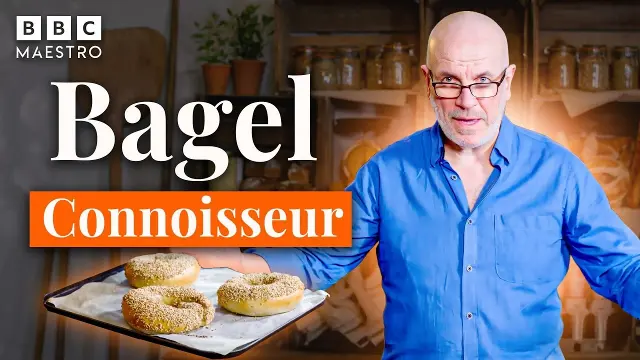
 How To Prepare Perfect Bagels At Home
#Baking Technique
5 ideas
How To Prepare Perfect Bagels At Home
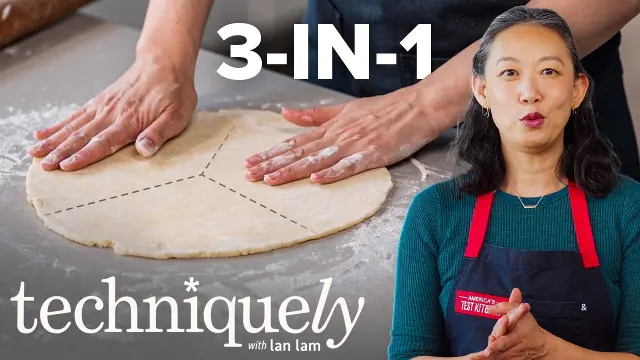 Foolproof All Butter Pie Crust Technique
 Creating Glass-Thin Caramel Tuiles for Plated Desserts
 Ancient Chinese Thousand-Layer Horse Hoof Pastry
 Handmade lotus flower pastry with delicate layered shaping
Get new #Baking Technique ideas by email
Every Thursday: the week's best ideas, with the newest from #Baking Technique.
Related tags
Baking Techniques: Essential Skills and Methods
Baking technique is the set of methods that help turn basic ingredients into breads, cakes, pastries, cookies, and other baked goods. Unlike cooking on the stove, baking depends heavily on careful measurement, mixing, temperature, and timing. The same ingredients can behave very differently depending on how they are combined and handled, so technique matters as much as the recipe itself.
At its simplest, baking is a balance between structure and tenderness. Flour, eggs, and other proteins help create shape, while fats, sugar, and liquids affect softness, moisture, and rise. Heat then changes the mixture, setting the structure and developing color and flavor. Understanding this balance helps you see why some recipes call for gentle folding, while others need vigorous beating or long kneading.
There are many kinds of baking techniques, and they often overlap. Creaming is used for cakes and cookies, where butter and sugar are beaten together to trap air. Folding is a gentler method for keeping batter light, especially when whipped eggs or cream are involved. Kneading develops gluten in yeast doughs, giving bread its stretch and strength. Lamination creates thin layers of dough and fat, which is how many flaky pastries get their texture. Blind baking means pre-baking a crust before adding a filling, which helps keep it crisp.
Beginners often find that good results come from consistency rather than complexity. Read the recipe all the way through before starting, and prepare your ingredients in advance. Measure carefully, especially for flour and leavening agents, because small changes can affect the final texture. If a recipe asks for room-temperature ingredients, try to follow that step, since butter, eggs, and dairy often blend more evenly that way.
Read more
A few practical habits can make baking easier:
- Use the correct pan size, because it affects baking time and thickness.
- Avoid overmixing batters unless the recipe specifically tells you to mix well.
- Check for doneness with the cues in the recipe, such as color, firmness, or a clean skewer.
- Let baked goods cool as instructed, since texture often improves as they set.
- Keep an eye on oven temperature, because uneven heat can lead to uneven results.
Different baked goods ask for different approaches. Bread rewards patience and fermentation. Cakes need gentle handling and accurate mixing. Pastry often depends on keeping ingredients cool and working quickly enough to preserve layers. Cookies are usually more forgiving, but even there, mixing time and dough temperature can change spread and texture.
If you are learning baking, focus on one technique at a time. Once you understand how mixing, shaping, proofing, and baking affect the final result, recipes become much easier to trust and adapt. Baking is both precise and creative, and with practice, you start to recognize not just what to do, but why it works.
Videos come from YouTube and posts from Instagram; titles and summaries are our own. All rights belong to their creators.