 A Simpler Christmas Home Tour With Thrifted Decor and DIY
#Budget Decorating
9 ideas
A Simpler Christmas Home Tour With Thrifted Decor and DIY
 Marshalls Home Decor and Furniture Finds Tour
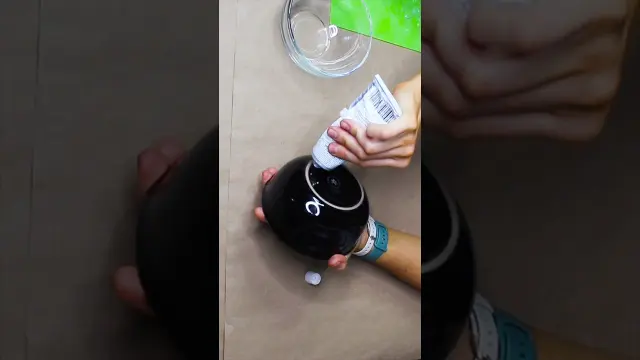 Two Dollar Store Bowls Stacked Into a Decor Piece
 Ross Home Decor and Furniture Finds Under $100
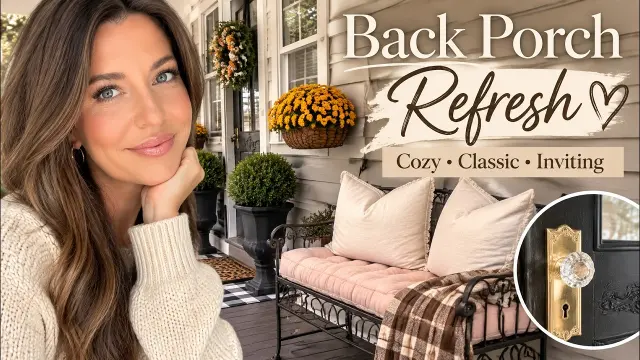 Vintage Back Porch Refresh in a 1900s Southern Home
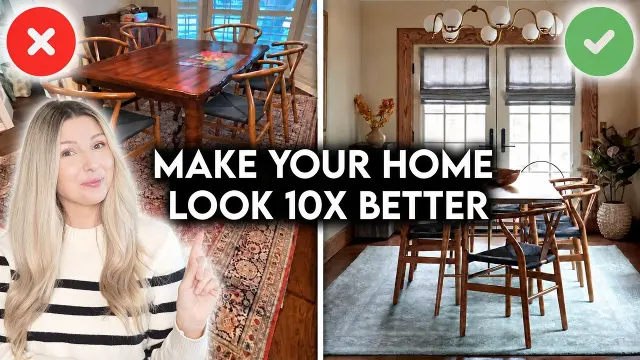 Interior Design Secrets That Make a Home Look Ten Times Better
 Dollar Tree Holiday Decor Hacks With Minimal Effort
 Budget Outdoor Patio Refresh Using Twenty Thrift Finds
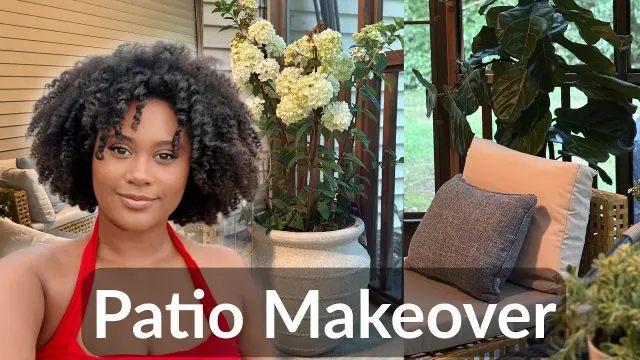 Cozy Budget-Friendly Outdoor Patio Space Transformation
Get new #Budget Decorating ideas by email
Every Thursday: the week's best ideas, with the newest from #Budget Decorating.
Related tags
Budget Decorating: How to Make a Home Beautiful for Less
Budget decorating is the practice of shaping a home's look with limited money rather than limited taste. It rests on a simple idea: atmosphere comes from proportion, colour, light and texture far more than from price tags. People have always furnished with what was at hand — inherited, repaired, found or handed down — and the modern version of that habit borrows from thrift shops, charity stores, flea markets, house clearances and a little patient making and mending.
Where the appeal comes from
A room assembled slowly, piece by piece, tends to look more personal than one ordered in a single afternoon. Secondhand objects carry marks of use — a worn edge, an old glaze, a slightly faded print — that give a space warmth and depth. Budget decorating also invites you to work with what you already own, which teaches the eye to see possibility in a chair, a frame or a length of fabric that has been sitting unnoticed.
The main approaches
Read more
Three strands run through most budget decorating.
The first is sourcing well: browsing regularly rather than shopping in a hurry, measuring your space before you go, and knowing which things are worth waiting for — solid wood, natural fibres, glass, ceramics, decent frames.
The second is transformation: paint, new hardware on furniture, a slipcover, a rewired lamp, a reframed picture. A small change of finish often does more than a new purchase, and it can be undone if you dislike the result.
The third is styling with what you have: editing rather than adding, grouping collections, treating books, bowls and branches as sculptural objects, rotating pieces between rooms instead of buying more.
Styles that suit a small budget
Nothing about budget decorating ties you to one look. Some people lean towards a calm, pared-back feel where pale walls and few objects do the work. Others prefer a layered, collected interior full of pattern and old textiles. A third approach borrows from rustic and cottage traditions, where raw wood, crockery on open shelves and slightly mismatched furniture are part of the charm. Choose the one that matches how you actually live, then let the finds accumulate around it.
What beginners should know
Start with one room and one problem — a dark corner, a bare wall, a table that feels empty. Decide the mood before you shop, and keep a short list so you don't come home with objects that have nowhere to go. Measure twice and take a photo of the space with you. When buying secondhand, check what is hard to fix: upholstery underneath, joints, drawer runners, and whether a lamp can be rewired safely.
Practical tips
- Move furniture before buying more of it. Rearranging is free and often solves the room.
- Paint is your most forgiving tool, but test a patch and live with it for a day.
- Let one strong piece hold the eye and keep the rest quiet.
- Buy textiles generously; curtains and rugs change a room's feel more than small accessories do.
- Give yourself permission to wait. An empty corner is better than a rushed purchase.
Decorating on a budget is less a compromise than a slower, more observant way of making a home — one that tends to age well and to look unmistakably like the person living in it.
#Budget Decorating: frequently asked questions
How do I start budget decorating without making my room feel messy or cheap?
Start with one room and one clear problem, such as a blank wall, a dark corner, or furniture that feels awkward. Decide the mood first, then rearrange what you already own before buying anything new. A few well-chosen pieces, kept consistent in colour and style, usually look more polished than lots of small purchases.
What do I need for budget decorating if I want to keep costs low?
You mainly need a plan, a measuring tape, and a willingness to edit what you already have. Paint, textiles, frames, and secondhand finds are often the most useful tools because they can change a space quickly. It also helps to look for pieces with good structure, since those are easier to refresh than furniture that is already falling apart.
What kind of style works best for budget decorating?
There is no single right style, so choose the one that fits how you live. A calm, simple room, a layered collected look, or a rustic cottage feel can all work well on a small budget. The key is to let the room develop around a clear mood instead of mixing too many ideas at once.
How can I make thrifted or secondhand decor look intentional?
Group similar objects together, repeat colours or materials, and give each item breathing room. Small signs of age can add warmth, especially when you balance them with clean lines or fresh paint. Treat books, bowls, branches, and old frames as display pieces rather than clutter.
What are common mistakes in budget decorating?
One common mistake is buying things too quickly without measuring or thinking about where they will go. Another is overlooking repair issues, such as weak joints, damaged upholstery, or a lamp that needs work. It also helps to avoid filling every empty space at once, because leaving some room often makes the whole space feel better.
Videos come from YouTube and posts from Instagram; titles and summaries are our own. All rights belong to their creators.