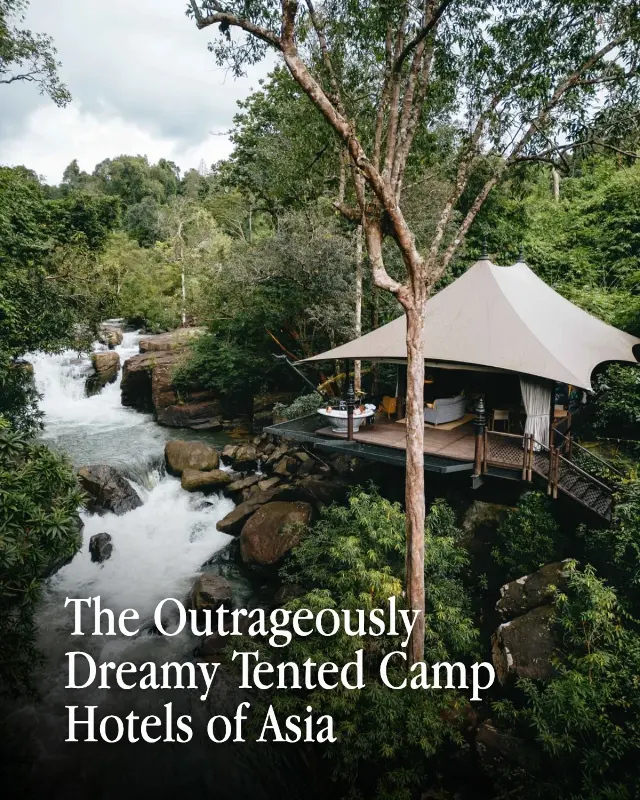
 Luxury Tented Camps from Cambodia's Jungles to Rajasthan
#Cambodia
2 ideas
Luxury Tented Camps from Cambodia's Jungles to Rajasthan
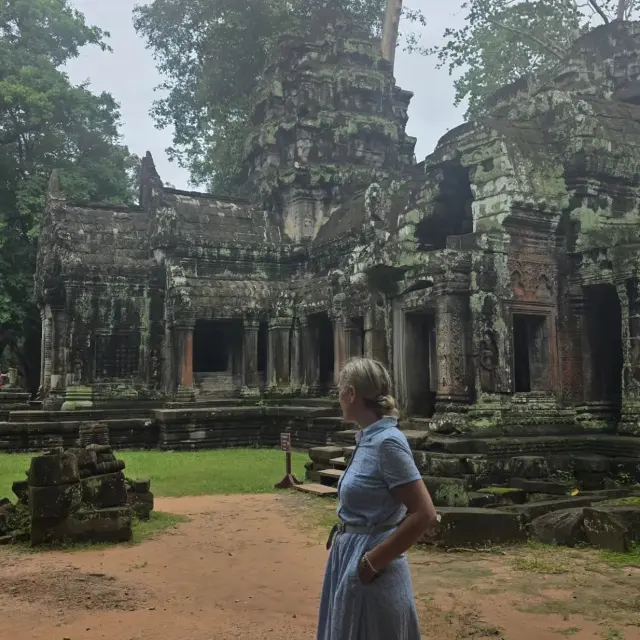 Exploring the Iconic Ta Prohm Temple in Siem Reap
Get new #Cambodia ideas by email
Every Thursday: the week's best ideas, with the newest from #Cambodia.
Related tags
Cambodia: Culture, Temples and Everyday Life
Cambodia in brief
Cambodia is a country in Southeast Asia known for its ancient temple heritage, river landscapes, tropical climate and strong cultural traditions. It has a long history shaped by powerful kingdoms, trade routes, religion and village life, and today it is a place where old and new sit side by side. For many people, Cambodia is first associated with the great temple complex at Angkor, but the country is much broader than that: it includes bustling cities, quiet countryside, floating villages, rice fields and a coastline in the south.
What Cambodia is known for
The country’s cultural identity is deeply connected to Buddhism, although older Hindu influences can still be seen in art and temple architecture. Cambodia is also known for its stone carving, traditional dance, silk weaving and distinctive cuisine. Everyday life often feels close to the land and the seasons, with rice as a central food and farming an important part of rural life.
Read more
If you are trying to understand Cambodia, it helps to look beyond famous landmarks and notice the rhythm of daily life: markets in the morning, family meals, temple visits, village work and celebrations tied to the religious calendar.
Temples, art and heritage
Cambodia’s temple architecture is one of its great cultural treasures. Temples range from active places of worship to ancient ruins wrapped in forest. The style is often marked by towers, galleries, carved reliefs and symbolic layouts that reflect religious ideas about the universe. Some temples are highly restored, while others remain partly overtaken by roots and vegetation, creating a powerful sense of history.
Beginners often enjoy starting with a few simple ideas:
- Temples are not only tourist sites; many are still sacred.
- Modest clothing is respectful when visiting religious places.
- Quiet behavior and careful movement matter, especially in active temples.
- Looking closely at carvings can reveal stories from mythology and daily life.
Food and daily culture
Cambodian food is generally fragrant, balanced and varied, with rice, soups, herbs, vegetables and fish appearing often. Meals are usually shared, and many dishes combine sweet, sour, salty and savory flavors. Street food, home cooking and market snacks are all part of the food culture, though tastes can vary by region and family.
Hospitality is often gentle and reserved. Smiling, greeting people politely and showing patience go a long way. As in many places, local customs matter most in homes, temples and rural communities.
Useful things to know
If you visit Cambodia or simply want to understand it better, keep these practical points in mind:
- The climate is warm for much of the year, so light clothing and hydration help.
- Respect for monks, elders and sacred spaces is important.
- Simple greetings and polite body language are appreciated.
- In rural areas, life may feel slower and more traditional than in the cities.
Cambodia is a place of resilience, memory and beauty. Its temples may draw you in first, but the deeper experience comes from its people, traditions and the quiet details of everyday life.
#Cambodia: frequently asked questions
What should I know before visiting Cambodia's temples for the first time?
Start with a small number of sites rather than trying to see everything, and give yourself time to sit with each one. Many temples are still active places of worship, so dress modestly, keep your voice low and move carefully around shrines and monks. Early mornings tend to be calmer and cooler, which makes the carvings and the atmosphere easier to take in.
What do I need to pack for a trip to Cambodia?
Light, breathable clothing suited to a warm climate is the practical starting point, plus a layer for air-conditioned buses and evening breezes. Bring something that covers shoulders and knees for temple visits, and plan on drinking water throughout the day. Comfortable shoes matter more than anything else, since temple grounds and village paths are often uneven.
How do I choose between seeing temples, cities or the countryside?
It depends on what you want from the trip: temple heritage for history and art, cities for markets and food, rural areas for a slower rhythm and everyday life. A mix usually works best, because Cambodia's character comes as much from villages and rice fields as from monuments. If you have limited time, pick one region and go deeper rather than crossing the whole country.
How should I behave around food and hospitality in Cambodia?
Meals are often shared, with rice, soup, herbs and fish appearing in various combinations, and flavors balancing sweet, sour, salty and savory. Accepting what is offered with a smile and a polite greeting goes a long way, and patience is appreciated more than efficiency. Tastes differ by region and family, so treat unfamiliar dishes as part of the experience rather than something to judge.
What mistakes do first-time visitors to Cambodia commonly make?
The most common one is treating temples purely as photo backdrops instead of sacred places, which can cause quiet offense. Another is rushing the country with a packed itinerary and missing the details of daily life that make it memorable. Being loud, impatient or careless about local customs in homes and rural communities stands out far more than any packing mistake.
How can I bring a sense of Cambodia into my home or a family occasion?
Cambodian craft traditions such as stone carving and silk weaving translate well into textiles, table settings and quiet decorative pieces. Look for woven textures and carved forms inspired by temple art, then keep the palette and arrangement restrained so the craft stays the focus. For a shared meal or gathering, borrow the idea of many small dishes served together rather than a single centerpiece.
Videos come from YouTube and posts from Instagram; titles and summaries are our own. All rights belong to their creators.