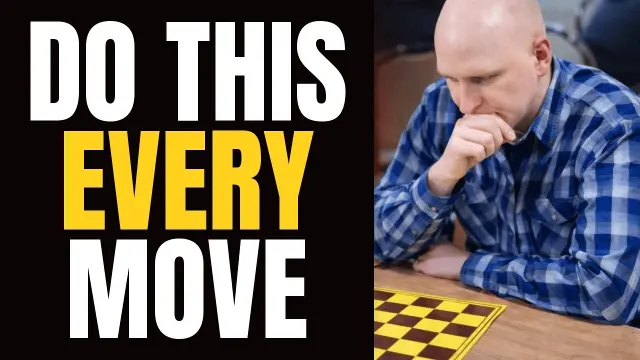
 A Simple Chess Thinking Loop: Opponent, Plan, Two Moves, Decide
#Chess Strategy
3 ideas
A Simple Chess Thinking Loop: Opponent, Plan, Two Moves, Decide
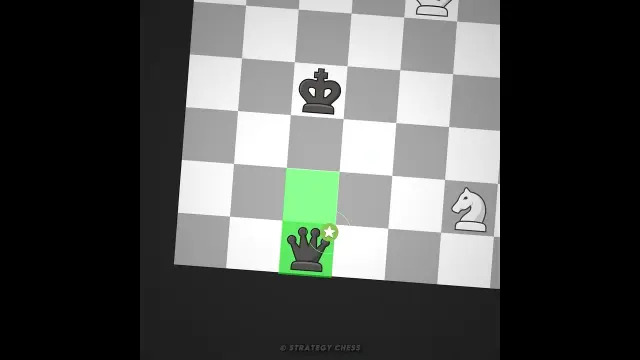 Chess Endgame Lesson on Underpromotion and Skewers
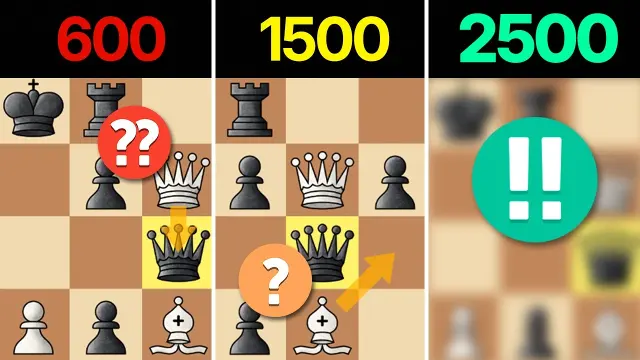 How Beginner, Intermediate and Grandmaster Players Think in Chess
Get new #Chess Strategy ideas by email
Every Thursday: the week's best ideas, with the newest from #Chess Strategy.
Related tags
Chess Strategy: A Beginner's Guide to Planning Your Game
Chess strategy is the part of the game that happens before anything is captured. Tactics are the short, forcing sequences — a fork, a pin, a discovered attack — that win material on the spot. Strategy is the slower work underneath: choosing where your pieces belong, which pawns to move, which side of the board to play on, and what you are trying to achieve ten moves from now. A player with good strategy rarely gets the chance to be beaten by a clever trick, because the pieces are already standing in the right places.
The classical principles
Generations of players have passed down a handful of guiding ideas, and they remain useful because they describe the same physical realities of the board.
- Control the centre. Pieces in the middle reach more squares than pieces on the edge, so occupying or attacking the central squares gives your army more room to work.
- Develop your pieces early. Bringing knights and bishops out before launching an attack means the attack has support behind it.
- Keep your king safe. Castling early is usually the simplest way to do this, and it connects your rooks at the same time.
- Don't move the same piece twice without reason, and don't bring the queen out too soon, where it can be chased around by lesser pieces.
- Think about pawn moves before you make them. Pawns cannot go back, and each one you push leaves squares behind it that can never be defended by another pawn again.
Read more
Pawn structure and space
Pawns are the skeleton of a position. Their arrangement decides which squares are weak, which files can be opened, and where your pieces will eventually want to live. When you look at a position, try to see the pawns first and the pieces second. Space — the number of squares your pieces can move through behind your pawns — matters too: more space means easier movement, but it also means more ground to defend.
Making a plan
A plan is simply a small, concrete intention. It might be to trade off a bishop that has no squares, to push a pawn to open a file for a rook, or to improve the worst-placed piece. Good plans grow out of the position rather than being imposed on it. Ask yourself what your opponent wants, and let the answer shape your own idea.
What beginners should practise
New players often lose games not through a single blunder but through a series of drifting moves. Two habits help enormously: before each move, check what your opponent's last move attacks, and after each of your own moves, ask what your opponent's best reply would be. Reviewing your games afterwards, slowly and without an engine, teaches more than playing many fast ones. Solving tactical puzzles alongside strategic study keeps both skills sharp, since strategy without calculation collapses the moment the pieces start to clash.
Strategy rewards patience. You do not need to know everything; you need a few sound principles, the discipline to apply them move after move, and the curiosity to keep asking what each position is really about.
#Chess Strategy: frequently asked questions
How do I start learning chess strategy as a beginner?
Start with a simple thinking routine: look at what your opponent just threatened, decide on a small plan, and check how the position might change over the next couple of moves. Focus on basic principles like central control, development, king safety, and piece activity before worrying about deeper ideas.
What should I pay attention to first in a chess position?
Begin with the pawn structure, because pawns shape the board and decide which squares are weak or open. After that, look at where your pieces belong, which side of the board offers more space, and whether any piece is poorly placed.
What kind of plan should I choose in a chess game?
A good plan should come from the position, not from a fixed idea you had before the game. Common plans include improving your worst piece, opening a file for a rook, or trading a piece that has no good squares.
What are the most common mistakes people make in chess strategy?
Many players move pieces without a clear purpose, bring the queen out too early, or push pawns without considering the squares left behind. Another frequent mistake is ignoring the opponent's threats and making moves that look active but do not improve the position.
How can I improve my strategic understanding over time?
Review your own games slowly and try to explain where your plan changed or failed. Mixing strategic study with tactical puzzles helps a lot, because a good plan still needs accurate calculation when the pieces start to clash.
Videos come from YouTube and posts from Instagram; titles and summaries are our own. All rights belong to their creators.