 Mental Models That Changed My Life: It Is All About the Next Step
#Decision Making
13 ideas
Mental Models That Changed My Life: It Is All About the Next Step
 Think Like an Executive: Mental Models Behind Great Decisions, Part 1
 Three CEO Mental Models for Better Critical Thinking and Decisions
 Strategic Thinking: Staying Calm, Patient and Ahead
 A Simple Chess Thinking Loop: Opponent, Plan, Two Moves, Decide
 Six Steps to Making Clearer and More Confident Decisions
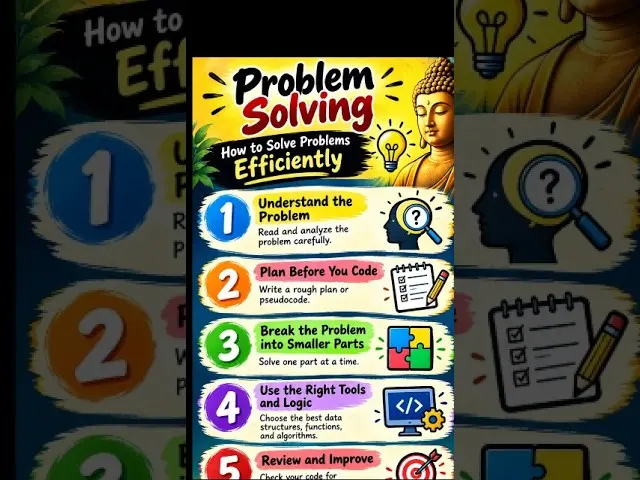 Five Problem-Solving Skills Worth Building
 Mohnish Pabrai on the Latticework of Mental Models for a Great Life
 Ten Problem-Solving Strategies Backed by Psychology Research
 Four Mental Models from Charlie Munger Explained with Examples
 Bill Gurley on Mental Models: Systems Thinking and Second-Order Effects
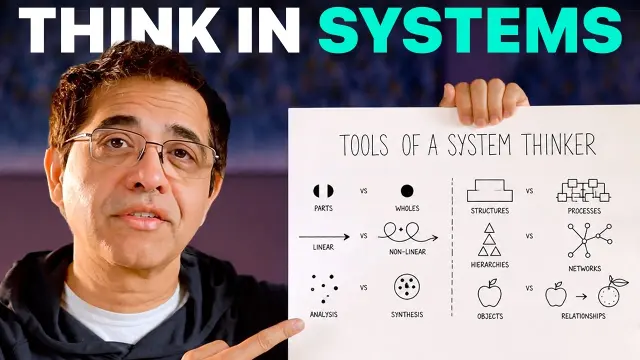 Systems Thinking: A Framework for Seeing Hidden Forces
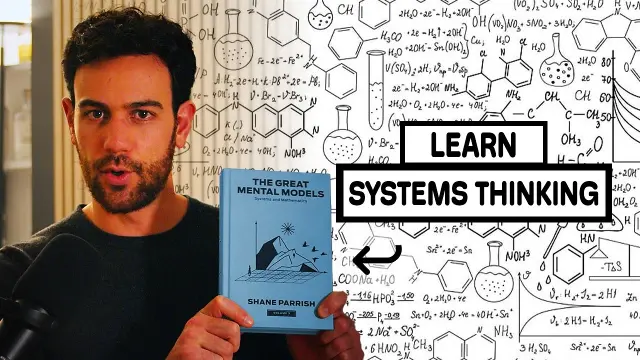 Four Mental Models to Fix Broken Systems, From Equilibrium to Margin of Safety
Get new #Decision Making ideas by email
Every Thursday: the week's best ideas, with the newest from #Decision Making.
Related tags
A Practical Guide to Making Better Decisions
You make thousands of choices every day, from what to have for breakfast to which job offer to accept. Most slip by unnoticed. The ones that shape your work, your relationships and your money deserve more care than they usually get. Decision making is simply the process of choosing between alternatives, and like any skill it sharpens with attention and practice.
The three parts of a decision
Every decision involves options, criteria and uncertainty. You rarely control all three. You may not know every option available to you, you may not have thought clearly about what you actually value, and you almost never know how things will turn out. Good decision makers accept this and act anyway, rather than waiting for complete information that never arrives.
Intuition and analysis
Read more
There are two broad modes of choosing. Intuitive decisions rely on pattern recognition built from experience; they are fast and often surprisingly accurate in familiar territory. Deliberate decisions slow things down and compare alternatives explicitly, which helps when the situation is new, complex or high-stakes. The useful question is not which mode is better, but which one fits the decision in front of you.
The biases that quietly steer you
Human judgement comes with predictable shortcuts that are helpful most of the time and misleading in specific situations. Knowing a few of them helps you notice when you are being pulled.
- Anchoring: the first number or idea you encounter weighs too heavily on everything after it.
- Confirmation bias: you notice evidence that supports what you already believe and skim past the rest.
- Sunk cost: past effort or money keeps you in a choice that no longer makes sense.
- Availability: vivid or recent examples feel more likely than they are.
- Loss aversion: potential losses loom larger than equivalent gains, making you overly cautious.
Frameworks worth trying
A few simple tools cover most everyday needs. Listing pros and cons is the classic, and still useful if you weight each point by how much it matters rather than counting them equally. For decisions with several factors, a simple grid scoring each option against your criteria makes your reasoning visible. A pre-mortem, in which you imagine the choice has already failed and ask why, surfaces risks that optimism hides. And asking how you will feel about this in ten minutes, ten months and ten years separates the choices that are merely uncomfortable from the ones that are wrong for you.
Practical habits
Decide what actually matters before comparing options, or you will optimise for the wrong thing. Limit your options to a handful, since more choice often brings more delay rather than better outcomes. Distinguish reversible decisions, which you can make quickly and correct later, from irreversible ones that deserve real thought. Write down the reasoning behind important choices, including what you expect to happen, so you can review it honestly later.
Finally, separate the quality of a decision from the quality of its outcome. A well-reasoned choice can still go badly when luck intervenes. Judge yourself on the process, and you will learn far more than by grading yourself on results alone.
#Decision Making: frequently asked questions
How do I start making better decisions?
Start by writing down what actually matters to you before you look at the options, because comparing alternatives too early tends to lock you into the wrong criteria. Then narrow the field to a handful of realistic choices instead of collecting every possibility. Simply naming the options, the criteria and the uncertainty out loud is often enough to make a muddled choice feel workable.
Do I need any special tools or information before deciding?
Most everyday choices only call for a pen and something to write on, since a weighted pros and cons list or a simple grid scoring options against your criteria makes your reasoning visible. Beyond that, the useful preparation is honesty about what you do not know, rather than waiting for complete information that rarely arrives. For bigger choices, imagining the decision has already failed and asking why surfaces risks that optimism hides.
Should I trust my gut or think it through deliberately?
Neither mode is better in general; the question is which one suits the decision in front of you. Intuition draws on pattern recognition built from experience, so it is fast and often reliable in familiar territory, while deliberate comparison helps when a situation is new, complex or high-stakes. Matching the mode to the stakes is what separates a good decision from a merely quick one.
How do I keep my decision making sharp over time?
Record the reasoning behind important choices, including what you expect to happen, so you can review it later without the benefit of hindsight rewriting your memory. Reviewing those notes honestly shows which habits served you and which shortcuts misled you. Judging yourself on the quality of the process rather than the outcome is what turns each decision into practice.
What mistakes do people make most often when choosing?
A common one is anchoring on the first option or figure that appears and letting it tilt everything that follows, or noticing only the evidence that supports what you already believe. Past effort and money also keep people in choices that no longer make sense, and vivid recent examples feel more likely than they are. Treating every decision as though it were irreversible is another trap, since many choices can be made quickly and corrected later.
How can I use this for a big occasion, like a career move or planning a wedding?
Big occasions are usually a cluster of smaller decisions, so separate the reversible ones you can settle quickly from the few that genuinely deserve careful thought. Ask how you expect to feel about the choice soon, some time later, and much further ahead, which helps sort out what is merely uncomfortable from what is truly wrong for you. Limiting yourself to a handful of realistic options also keeps the process from stalling under too much choice.
Videos come from YouTube and posts from Instagram; titles and summaries are our own. All rights belong to their creators.