 What Actually Matters for Data Analysts in the AI Era
#Critical Thinking
14 ideas
What Actually Matters for Data Analysts in the AI Era
 The Six Levels of Thinking in Bloom's Taxonomy Explained
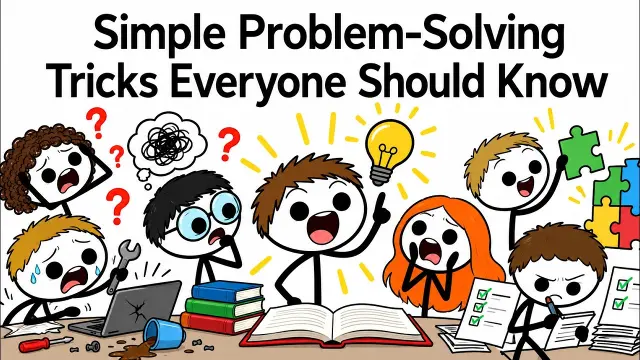 Simple Thinking Tricks That Help You Solve Everyday Problems
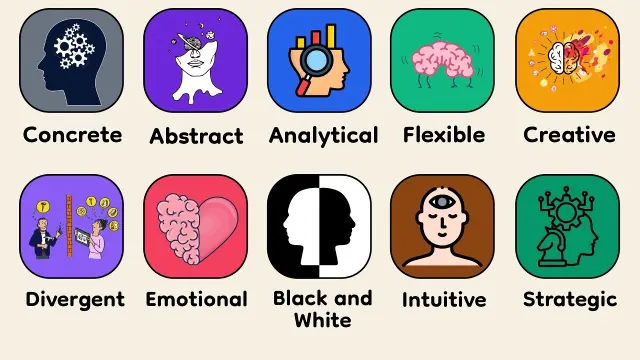 Every Type of Thinking Explained, From Concrete to Reflective
 Three CEO Mental Models for Better Critical Thinking and Decisions
 A Breakdown of Thinking Skills and How to Improve Each One
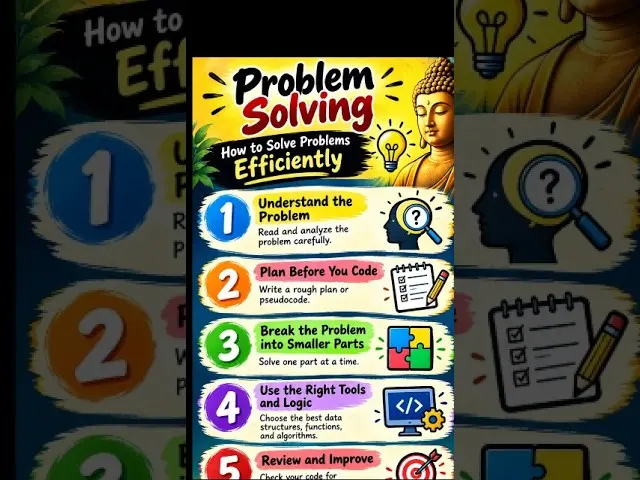 Five Problem-Solving Skills Worth Building
 Should You Let AI Do Your Thinking? The Cognitive Trade-Offs
 Ten Problem-Solving Strategies Backed by Psychology Research
 Four Mental Models from Charlie Munger Explained with Examples
 Richard Feynman's Approach to Thinking Through Problems
 Six Mental Models to Improve Your Thinking and Problem Solving
 The Learning System Behind Richard Feynman's Understanding
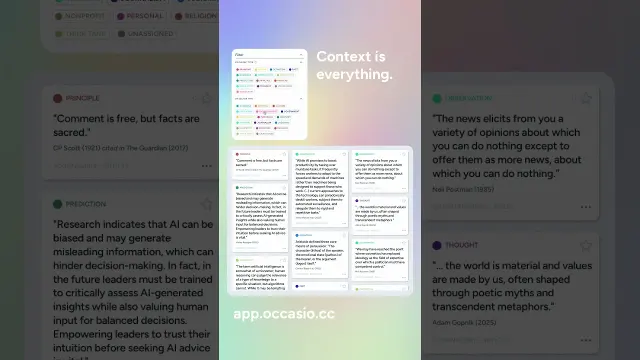 New Filtering Feature for Note Taking and Research Insights
Get new #Critical Thinking ideas by email
Every Thursday: the week's best ideas, with the newest from #Critical Thinking.
Related tags
Critical Thinking: A Practical Guide to Clearer Judgement
Critical thinking is the habit of pausing before you believe something. It is not cynicism, and it is not about being the smartest person in the room. It is a set of ordinary skills, used deliberately, that help you separate a good argument from a persuasive one, and a solid claim from a confident voice.
The idea has deep roots. Greek philosophers argued in the marketplaces of Athens about how to tell a reasonable claim from a merely well-spoken one. Later thinkers formalised logic, and in the modern era the tradition broadened into what educators call everyday reasoning: the practical business of assessing evidence, spotting assumptions and changing your mind when the facts warrant it. Much of the vocabulary we still use, from premises and conclusions to fallacies, comes from that long conversation.
You use critical thinking whenever you do any of the following:
- Ask what the evidence actually is, rather than how convincing the tone feels.
- Separate a claim from the person making it.
- Notice when two things are being treated as one.
- Look for what a story leaves out.
- Consider whether a conclusion would still hold if one assumption turned out to be wrong.
Read more
The main habits
Most guides to reasoning converge on a handful of practices worth building. First, clarify the question. Vague questions produce vague answers, so restate what you are really trying to decide. Second, identify the claim and the reasons offered for it. Third, weigh the quality of those reasons: is this a general impression, a single vivid example, or something you could check? Fourth, seek the strongest version of the opposing view before you dismiss it. Fifth, notice your own stake in the outcome, since we are all inclined to believe what suits us.
Common pitfalls
A few errors recur so often they have names. Confusing correlation with cause is one: two things moving together does not mean one produced the other. Appealing to authority is another, which is not the same as trusting expertise. Experts are a reasonable starting point, provided the expertise is relevant and the consensus is genuine. Also common are the false dilemma, where only two options are presented when more exist, and the vivid anecdote that overrides a duller but broader body of evidence.
Practical tips for beginners
Start small. Pick one decision a week and write down what you think, what you are assuming, and what would change your mind. Read past headlines into the actual body of a piece. Ask "how would I know if this were false?" before accepting it. Keep a note of the occasions you were wrong; being able to revise a view is the clearest sign the skill is working.
Finally, be patient with yourself and with others. Thinking clearly is slower than reacting, and it occasionally means holding a question open longer than feels comfortable. That discomfort is usually where the useful thinking happens.
#Critical Thinking: frequently asked questions
How do I start practising critical thinking in everyday life?
Begin with one ordinary decision at a time and put your reasoning in writing: what you currently believe, what you are quietly assuming, and what evidence would make you change your mind. Keeping it to a single case keeps the habit manageable until it becomes automatic. Reading past a headline into the actual body of the article is a good second step.
What skills do I actually need to think more clearly?
The core skills are restating the question precisely, separating a claim from the reasons offered for it, and judging whether those reasons are checkable or just a strong impression. It also helps to argue the opposing view at its strongest before dismissing it, and to notice where your own interests are pulling you. None of these require special intelligence, only deliberate practice.
Is critical thinking just being sceptical about everything?
No. Constant doubt is cynicism, which shuts down inquiry just as effectively as gullibility, whereas critical thinking aims at better judgement rather than rejection. It also means being willing to change your mind when the evidence warrants it, which is the opposite of reflexive disbelief. Trusting relevant expertise is consistent with the skill; the mistake is treating authority as a substitute for evidence.
What mistakes do people most often make when evaluating a claim?
The recurring ones are assuming that because two things move together one caused the other, and letting a single vivid story outweigh a duller but broader pattern of evidence. Presenting a choice as if only two options exist is another, as is appealing to someone's authority when their expertise is not actually relevant to the point. A useful safeguard is asking how you would know if the claim were false.
How can I tell whether I am getting better at it?
The clearest sign is that you can name occasions when you revised a view, so keeping a short record of those moments gives you something concrete to look back on. You may also notice yourself pausing where you used to react immediately. Progress feels slow because clear thinking genuinely is slower than reacting, and holding a question open for a while is part of the work rather than a failure of it.
Videos come from YouTube and posts from Instagram; titles and summaries are our own. All rights belong to their creators.