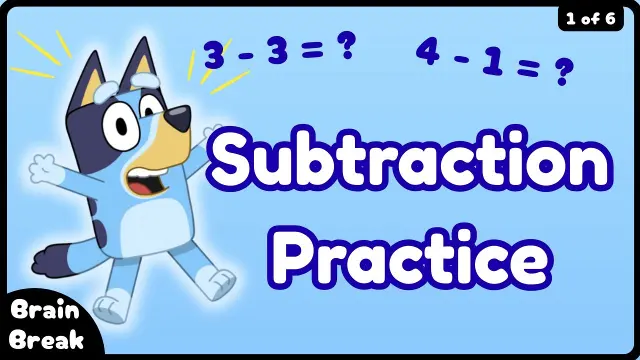
 High Energy Subtraction Brain Break Movement Game for Kids
#Classroom Activities
4 ideas
High Energy Subtraction Brain Break Movement Game for Kids
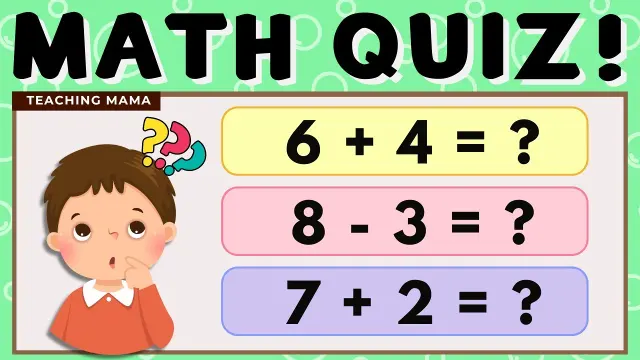 Interactive Math Quiz for Young Learners and Preschoolers
 Active Count One to One Hundred Dance Song for Kids
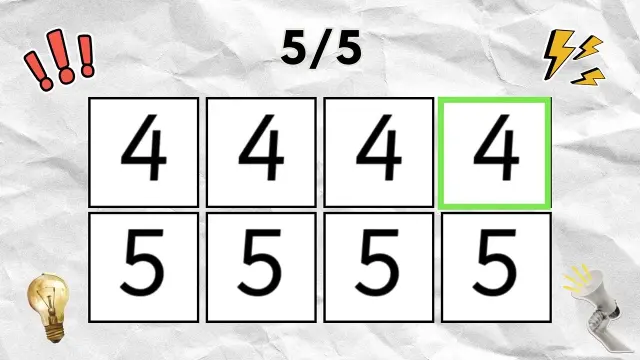 Say the Word on Beat Classroom Number Brain Break
Get new #Classroom Activities ideas by email
Every Thursday: the week's best ideas, with the newest from #Classroom Activities.
Related tags
Classroom Activities for Engaged Learning
What classroom activities are
Classroom activities are planned tasks and exercises that help people learn through doing, talking, moving, creating, and solving problems together. They can be used in schools, training rooms, or any learning setting where a group needs to stay focused and involved. Some activities are short and energetic, while others are quiet and reflective. The best ones support a clear learning goal, whether that is practicing a skill, introducing new ideas, or helping a group work together.
Why they matter
Good classroom activities make learning more active and easier to remember. They give you a chance to check understanding, build confidence, and include different learning styles. Some students learn best by listening, others by seeing, writing, moving, or discussing. A varied mix of activities can help everyone take part in a way that feels natural.
Read more
They are also useful for changing the pace of a lesson. A short movement break, a pair discussion, or a quick game can reset attention and make the next part of the lesson more effective.
Common types of classroom activities
There are many kinds of activities, and you can adapt them to age, subject, and group size:
- Discussion activities: pair talk, small-group sharing, whole-class questions
- Movement activities: action songs, stretching, standing responses, brain breaks
- Writing activities: journals, quick responses, lists, sentence building
- Creative activities: drawing, making posters, role play, simple crafts
- Problem-solving activities: puzzles, sorting, matching, sequencing
- Review activities: quizzes, games, flash cards, memory tasks
Some activities are best for introducing a topic. Others work well for practice, review, or calming down after a busy section of learning.
What to keep in mind when choosing activities
A good activity is simple to explain, connected to the lesson, and suitable for the time you have. It should be clear what the purpose is: to teach, revise, compare, stretch, or reflect. If the instructions are too long, the activity can lose its energy before it starts.
You should also think about access and comfort. Some learners enjoy speaking in front of others, while others prefer working quietly or in a pair. Offering more than one way to participate helps make the activity inclusive. Clear routines also help: if students understand how to begin, what to do, and when to stop, the activity will run more smoothly.
Practical tips
- Keep instructions short and specific
- Model the task first if needed
- Use simple materials whenever possible
- Change the format often to maintain interest
- Leave time for a brief review or recap
- Match the activity to the learning goal, not just to entertainment
For beginners, the easiest place to start is with short, familiar formats: a one-minute discussion, a quick movement break, or a simple matching game. As you get more comfortable, you can combine activities and build longer lessons that move naturally from listening to doing. When classroom activities are chosen thoughtfully, they can make learning feel more active, organized, and enjoyable.
Videos come from YouTube and posts from Instagram; titles and summaries are our own. All rights belong to their creators.