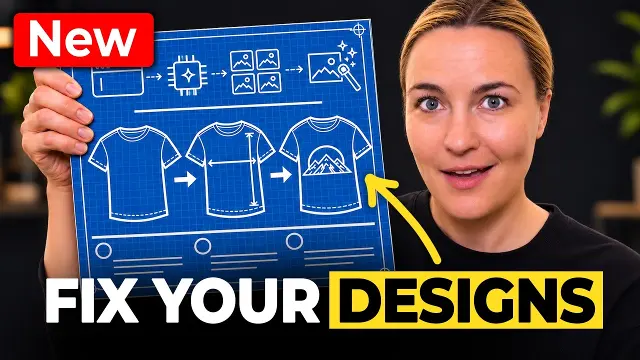
 Complete Step-by-Step Guide to Creating Effective T-Shirt Mockups
#Clothing Brand
2 ideas
Complete Step-by-Step Guide to Creating Effective T-Shirt Mockups
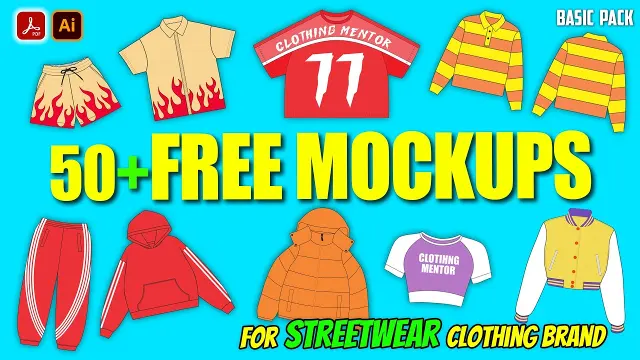 How to Make Clothing Brand Mockups With Free Vector Files
Get new #Clothing Brand ideas by email
Every Thursday: the week's best ideas, with the newest from #Clothing Brand.
Related tags
Clothing Brands: An Evergreen Guide to Building a Label
A clothing brand is more than a name stitched into a collar. It is the identity a label gives to the garments it sells: a point of view, a defined audience, a consistent look and a set of promises about fit, fabric and price. A brand can be one person with a sketchbook and a supplier; it can be a studio with a design team. What separates a brand from a stall of unbranded clothes is consistency — the buyer knows what to expect.
Where the idea comes from
Every label starts with a gap the founder notices: a garment that is hard to find in the right size, a fabric that feels better than what is on offer, a silhouette that suits a body type the market ignores. That observation becomes a position — who the clothes are for, when they are worn, and what the wearer should feel. Position matters more than inspiration boards: it decides the fabrics you can afford, the factories that will take your order and the shops or channels that will stock you.
The main kinds of clothing brand
Read more
- Ready-to-wear labels design seasonal collections in standard sizes and produce them in volume.
- Capsule or essentials brands sell a small, stable range for years rather than replacing it each season.
- Made-to-order and small-batch studios produce after an order is placed, limiting waste and stock risk.
- Private label and white label producers put a brand name on existing designs, useful for testing an audience.
- Niche labels build around one garment, one fabric or one community, and grow outward from there.
What beginners should understand first
Design is the visible part; production is where most labels are made or broken. Learn how a garment is costed: fabric, trim, cutting, sewing, sampling, packaging, shipping, duties and returns all take a share before profit. A price that ignores any of these turns a bestseller into a loss.
Before ordering stock, you need a pattern and a sample. Sampling usually means working with a factory or a pattern cutter, and it takes several rounds: a first sample to check proportions, a fit sample on real bodies, and a production sample that matches what will be made. Get the specification in writing — measurements, fabric weight, stitching, colour references — because verbal agreements do not survive a factory floor.
Sizing deserves honest attention. Measure real people, not imagined ones, and publish a clear size chart. Inconsistent sizing is one of the fastest ways a new brand loses repeat customers.
Practical guidance
Start with a small, focused first range rather than a full collection; fewer styles mean fewer mistakes and clearer feedback. Order samples before committing, and inspect them against your specification. Photograph garments properly — good images carry as much of the brand as the design does. Protect your name by checking that it is available and registering it where you plan to trade. Keep records of every cost and every supplier from day one.
Finally, be patient. A clothing brand is built by repetition: the same quality, the same fit, the same voice, order after order, until people recognise the label without reading it.
#Clothing Brand: frequently asked questions
How do I start a clothing brand with no experience?
Begin by identifying a specific gap you keep noticing — a size, fabric or silhouette that is hard to find — and turn that into a clear position about who the clothes are for and when they are worn. Then learn the production side before you order anything: work with a pattern cutter or factory to make a sample, and get every detail written down as a specification. A small, focused first range will teach you more than a full collection.
Which type of clothing brand should I choose?
It depends on how much stock risk and repetition you can handle. Ready-to-wear means designing seasonal collections in volume, capsule labels sell a small stable range for years, and made-to-order studios produce only after an order arrives, which limits waste and unsold stock. Niche labels built around one garment, fabric or community are often the easiest place for a newcomer to start.
What do I actually need before ordering stock?
You need a pattern, a sample and a written specification covering measurements, fabric weight, stitching and colour references. Sampling generally takes a few rounds — checking proportions first, then fit on real bodies, then a final sample that matches production. Verbal agreements with a factory rarely survive, so put everything in writing.
What are the most common mistakes new clothing brands make?
Underpricing is the big one: fabric, trim, cutting, sewing, sampling, packaging, shipping, duties and returns all take a share before any profit, and a price that ignores them turns a bestseller into a loss. Inconsistent sizing is another fast way to lose repeat customers, so measure real people and publish an honest size chart. Skipping proper photos and failing to check that your name is available to register also cost beginners time later.
How do I care for clothing from a small brand?
Follow the care label first, since small studios often choose fabrics that behave differently from mass-market ones. Washing less often, at a cooler setting, and drying away from direct heat keeps shape and colour far longer than any special detergent. If a label gives unusual instructions, take them seriously — they usually reflect a deliberate fabric choice rather than carelessness.
What should I look for when buying from a clothing brand I don't know?
A consistent look and a clear sense of who the clothes are for is a good sign — that consistency is what separates a real label from a stall of unbranded garments. Check that the size chart is detailed and measured from real bodies, and read the fabric and specification information rather than only the photos. Good imagery helps, but the promises about fit, fabric and price are what you are actually buying.
Videos come from YouTube and posts from Instagram; titles and summaries are our own. All rights belong to their creators.