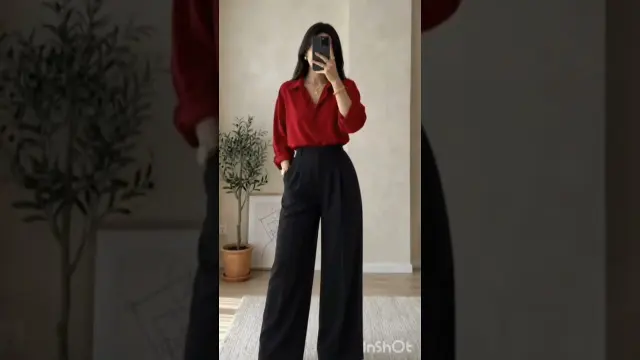
 Six Classy Formal Shirt and Wide Leg Pant Outfits for Women
#Collar Shirts
1 ideas
Six Classy Formal Shirt and Wide Leg Pant Outfits for Women
Get new #Collar Shirts ideas by email
Every Thursday: the week's best ideas, with the newest from #Collar Shirts.
Related tags
Collar Shirts: A Guide to Styles, Fits and Everyday Wear
The collar shirt is one of the few garments that has moved almost unchanged through more than a century of fashion. At its heart it is simple: a woven shirt with a structured band of fabric around the neck, fastened down the front, usually with a buttoned cuff. What makes it endlessly variable is the collar itself, the part that frames the face and quietly sets the character of the whole outfit.
Where it comes from
Shirts with attached collars grew out of undergarments worn beneath coats and waistcoats. Older shirts had detachable collars, which could be starched, turned and replaced while the body of the shirt stayed in use. As dress became less formal through the twentieth century, the collar became permanently attached, and the shirt stepped out from under the jacket to become a garment in its own right. Today it belongs to everyone: office wear, weekend wear, uniform, and everything in between.
The main collar styles
Read more
- Point collar: the classic. The points sit fairly close together and suit almost every face and occasion. A safe first choice.
- Spread and cutaway collar: the points angle outwards, leaving room for a larger knot. More formal, and flattering on narrow or long faces.
- Button-down: the collar points fasten to the shirt with small buttons. Casual in origin, associated with sportswear and relaxed tailoring.
- Band or stand collar: no folded points at all. Clean and modern, often worn open, and common in warm-weather shirts.
- Camp or Cuban collar: a soft, open collar that lies flat against the chest. Informal, summery, and usually cut with a relaxed body.
There are also details worth noticing: a hidden button under the collar keeps the points tidy; collar stays, small removable strips, hold them sharp; and interfacing, the stiffening inside the collar, decides whether it stands crisply or drapes softly.
Fit and fabric
A shirt should sit neatly on the shoulders, with the seam at the edge of the shoulder bone rather than past it. The collar should close comfortably with room for a finger or two — tight enough to look tidy, loose enough to breathe. Check that the button placket lies flat when you move, and that the cuffs reach the wrist bone.
Fabric shapes how a shirt behaves. Poplin is smooth and crisp and holds a formal collar well. Oxford cloth is thicker and slightly textured, and softens with washing. Linen breathes beautifully and creases honestly; it is meant to look lived in. Cotton twill and flannel feel warmer and more casual. Look at the weave in daylight, and hold it up: if you can see your hand clearly through it, expect it to be light and possibly sheer.
Wearing it well
Iron the collar first and the body after; the collar is what people see. Wash light colours together and dark separately, and do up the buttons before washing to help the placket keep its shape. Hang shirts rather than folding them for long storage. Tuck for polish, leave out for ease, and roll the sleeves when the day allows. A collar shirt is forgiving: worn plainly it is quiet, worn with intention it is elegant, and it will keep doing both for years.
#Collar Shirts: frequently asked questions
How do I choose a collar style that suits me?
Start with the shape of your face and how formal you want to look: a classic point collar flatters almost everyone and works for nearly any occasion, while a spread or cutaway collar opens up the neckline and looks sharper on narrow or long faces. If you want something relaxed, a button-down, band or camp collar reads casual and easy. Try a couple of styles on in daylight and notice which one frames your face the way you like.
What should I check for a good fit?
The shoulder seam should land at the edge of your shoulder bone, not slip past it, and the cuffs should reach your wrist bone. The collar should close comfortably with room for a finger or two, since a collar that pinches will feel worse the longer you wear it. Move your arms and turn a little to confirm the placket stays flat.
Which fabric should I pick?
Poplin is smooth and crisp and holds a formal collar nicely, oxford cloth is thicker and softens with washing for everyday wear, and linen breathes well and creases by design. Cotton twill and flannel feel warmer and more casual, which suits cooler days. Hold the fabric up to the light: if you can see your hand clearly through it, expect it to be light and possibly sheer.
How do I care for collar shirts so they last?
Wash light and dark colours separately, and do up the buttons first so the placket keeps its shape. When ironing, do the collar first and the body after, because the collar is the part people notice. Hang shirts rather than folding them for long storage, and let the fabric dry properly before pressing.
What mistakes should I avoid when wearing one?
The most common slip is a collar that is too tight or points that curl, which you can fix with a hidden button or removable stays. Wearing a shirt that pulls across the chest or has shoulder seams dropping past your shoulders spoils an otherwise simple look. Leave a stiff formal collar for tailored outfits and keep soft, open collars for relaxed ones.
How can I style a collar shirt for different occasions?
For something polished, tuck it in and pair it with tailored trousers, keeping the top button open for ease. For a relaxed daytime look, leave it untucked, roll the sleeves and choose a soft camp or band collar. A crisp shirt with wide-leg trousers works well for a smart-casual occasion, especially when the fabric and collar shape stay simple.
Videos come from YouTube and posts from Instagram; titles and summaries are our own. All rights belong to their creators.