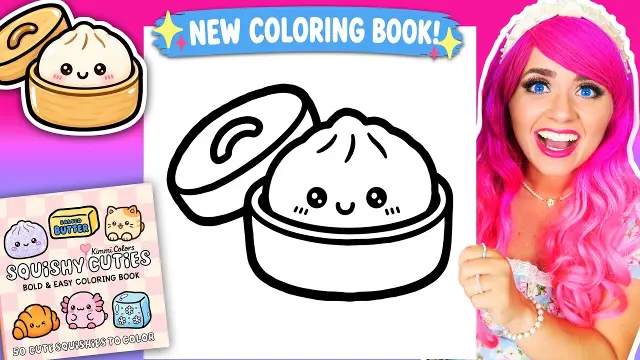
 Coloring a Cute Dumpling Squishy Illustration
#Coloring Book
9 ideas
Coloring a Cute Dumpling Squishy Illustration
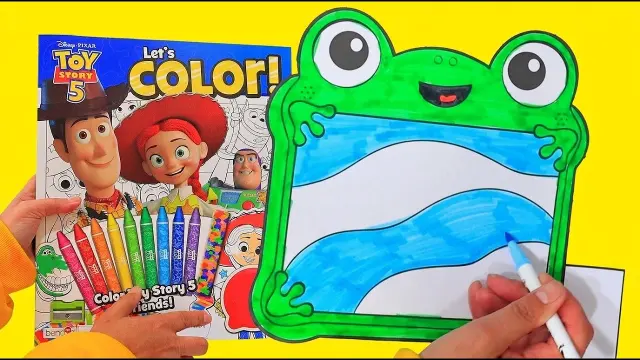 Toy Story Booklet Coloring and Sticker Decorating
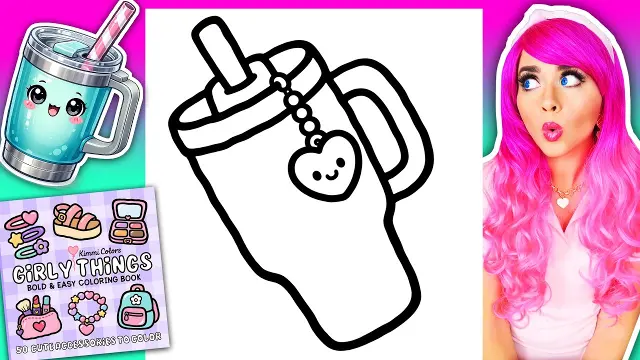 Coloring a Girly Tumbler Drink Cozy Page
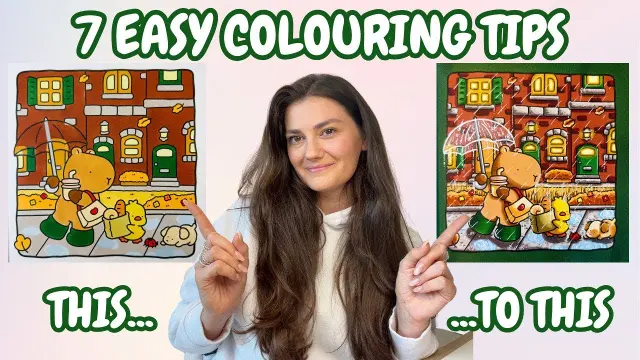 Easy Coloring Techniques to Transform Your Pages
 Coloring a Butter Squishy Page with Art Markers
 Testing Viral Coloring Techniques and Methods
 Coloring a Doghouse Selfie Page with Free Printable
 Trying Out Popular Adult Coloring Book Trends
 Testing Advanced and Challenging Coloring Techniques
Get new #Coloring Book ideas by email
Every Thursday: the week's best ideas, with the newest from #Coloring Book.
Related tags
Coloring Books: A Calm Guide to the Basics
Coloring books are collections of outlined drawings made to be filled in with color. They can be simple or detailed, playful or decorative, and they are used by children and adults alike for relaxation, creativity, and practice with art materials. At their heart, they offer a low-pressure way to make pictures your own.
What a coloring book is
A coloring book usually contains line art printed on paper, with spaces left open for you to color. The subject can range from animals, flowers, and characters to patterns, landscapes, food, and abstract designs. Some books are made for quick, easy coloring, while others include fine details for a slower, more focused experience.
Coloring has long been associated with children’s activities, but it is also widely enjoyed by adults. For many people, it is a simple creative habit: you do not need to draw from scratch, and you can still experiment with color, shading, and texture.
Read more
Common kinds of coloring books
Coloring books come in many styles, and each one creates a different experience.
- Simple books with large shapes, often easier for beginners
- Detailed books with smaller spaces and more intricate line work
- Pattern-based books with repeating shapes, mandalas, or decorative motifs
- Themed books, such as nature, fashion, travel, food, or animals
- Story or character books that follow a specific world or subject
Choosing a style that matches your patience and interest can make coloring feel more enjoyable. If you are just starting, bigger spaces and clearer outlines are often the easiest place to begin.
Materials you can use
You do not need much to begin. Pencils are the easiest choice because they are forgiving and easy to control. Crayons, markers, and gel pens can also work well, depending on the paper and the look you want.
A few practical tips can help:
- Test your materials on a spare corner or extra sheet if possible
- Keep pressure light at first, then build up color gradually
- Turn the page as needed so your hand feels comfortable
- Place a sheet behind the page if you are worried about marks transferring
Basic coloring techniques
You can keep coloring very simple or make it more layered and polished. A few basic techniques are especially useful.
- Flat coloring: fill each area with one even color
- Layering: add more than one color over the same area for depth
- Shading: use slightly darker tones in corners, edges, or behind shapes
- Blending: soften the transition between colors for a smoother look
- Pattern filling: use dots, stripes, or small shapes inside larger sections
If you are new to coloring, start with one or two colors and focus on consistency. There is no need to make every page look finished in the same way. A relaxed, slightly imperfect page can feel just as satisfying.
A few beginner tips
Try to choose a page that feels inviting rather than overwhelming. Work in small sections, and do not worry if your colors do not match perfectly. The goal is to enjoy the process. As you spend more time with coloring, you will naturally learn how different tools behave and how to create the effects you like best.
Coloring books are most enjoyable when you treat them as a quiet, creative pause. You can keep them simple, make them detailed, or use them as a gentle way to practice with color at your own pace.
#Coloring Book: frequently asked questions
How do I start coloring if I’m a beginner?
Start with a page that has larger shapes and clear outlines, since it is easier to fill in without feeling overwhelmed. Begin with one or two colors, work in small sections, and focus on enjoying the process rather than making every page look perfect.
What supplies do I need for a coloring book?
You can begin with very little: colored pencils are the easiest to control, and crayons, markers, or gel pens can also work well. It helps to test your materials on a spare corner, keep the pressure light at first, and place a sheet behind the page if you want to protect the next sheet.
Which type of coloring book should I choose?
Choose a style that matches your mood and patience. Simple books are good for quick, easy coloring, while detailed or pattern-based books offer a slower, more focused experience; themed books are a nice choice if you love subjects like nature, fashion, food, or animals.
How can I make my coloring pages look nicer?
Try basic techniques like flat coloring, layering, shading, and blending to add more depth. You can also use repeating patterns, stripes, or dots inside larger spaces to make the page feel more decorative without needing advanced drawing skills.
What are common mistakes people make when using a coloring book?
A common mistake is starting with a page that feels too complex, which can make coloring feel discouraging. Another is pressing too hard or trying to make everything look polished right away; it usually works better to build color gradually and let the page develop naturally.
Can a coloring book be used for a special occasion or themed activity?
Yes, coloring books can fit many occasions because they can be chosen around a theme like animals, characters, food, or decorative patterns. They also work well as a quiet group activity, a creative break, or a simple project for a relaxed celebration.
Videos come from YouTube and posts from Instagram; titles and summaries are our own. All rights belong to their creators.