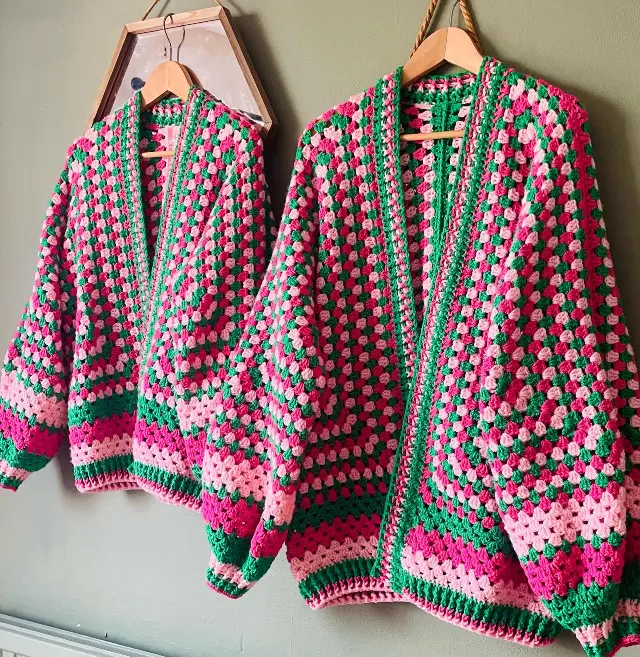
 Handmade Colorful Crochet Cardigans
#Crochet
44 ideas
Handmade Colorful Crochet Cardigans
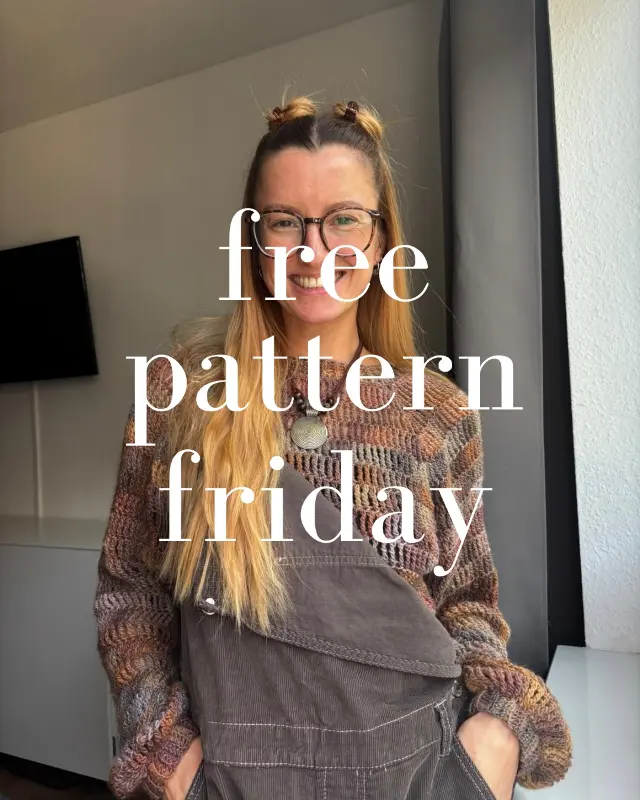 Oversized Crochet Pullover Stitch Tutorial
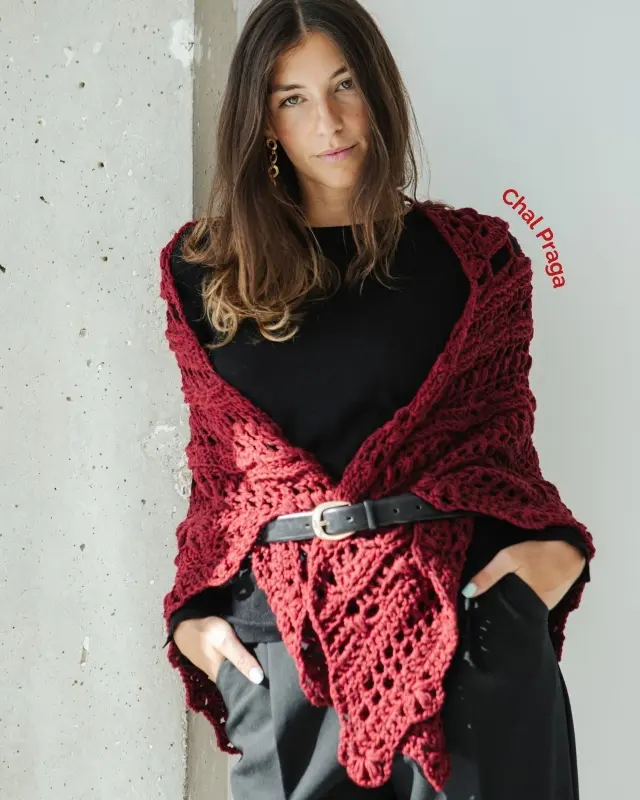 Praga Granny Square Crochet Shawl
Get new #Crochet ideas by email
Every Thursday: the week's best ideas, with the newest from #Crochet.
Related tags
Crochet: a Gentle Guide to the Craft
Crochet is a handcraft that uses a single hook to pull loops of yarn or thread through other loops, building fabric one stitch at a time. It is both practical and creative: people use crochet to make blankets, garments, bags, toys, home decor, and delicate decorative pieces. Because the fabric can be firm, lacy, thick, or textured, crochet suits many different styles and skill levels.
Where crochet comes from
Crochet has been practiced in many places and forms over time, and its exact origins are hard to trace with certainty. What matters most is that it developed as a flexible, accessible way to make useful and decorative textiles by hand. Over time, it became a popular domestic craft as well as an art form, with patterns passed along through families, magazines, books, and now online.
What you can make
Read more
Crochet can be as simple or as intricate as you like. Beginners often start with squares, scarves, dishcloths, or small accessories because they help you practice stitch tension and repetition. More experienced crocheters may move on to sweaters, shawls, amigurumi, blankets, and detailed lacework. The same basic stitches can create very different results depending on yarn weight, hook size, and stitch combination.
Main stitches and styles
Some of the most common crochet stitches are:
- Chain stitch, which forms the foundation for many projects
- Slip stitch, often used for joining or moving across stitches
- Single crochet, a compact stitch that creates sturdy fabric
- Half double crochet, a balanced stitch with a moderate height
- Double crochet, a taller stitch that works up faster and creates more drape
Crochet styles vary widely. Dense stitches are useful for warm or structured items, while open stitches and lace patterns create light, airy fabric. Colorwork, texture patterns, and motif-based designs such as granny squares add even more variety.
What to know when starting
If you are new to crochet, begin with a smooth, light-colored yarn and a hook that feels comfortable in your hand. Avoid yarns that split easily at first, because they can make learning harder. Keep your stitches relaxed; if you pull too tightly, the hook may be difficult to insert, and if you work too loosely, your fabric may look uneven.
It also helps to learn how to read a basic pattern and how to count stitches. Crochet is built on repetition, so losing or adding stitches can change the shape of your work. Markers can be useful for keeping track of rounds or stitch counts.
Practical tips
- Practice a small swatch before starting a larger project
- Check your tension regularly so the fabric stays even
- Choose simple projects that finish quickly to build confidence
- Use the recommended hook size as a starting point, then adjust if needed
- Keep your hands and shoulders relaxed to avoid strain
Crochet is a craft you can learn gradually. A few basic stitches open the door to endless possibilities, and each project teaches you something new. Whether you enjoy useful everyday items or delicate decorative work, crochet rewards patience, practice, and creativity.
Videos come from YouTube and posts from Instagram; titles and summaries are our own. All rights belong to their creators.