 Italian Oven Method for Shatter-Crisp Chicken Wings
#Dipping Sauce
2 ideas
Italian Oven Method for Shatter-Crisp Chicken Wings
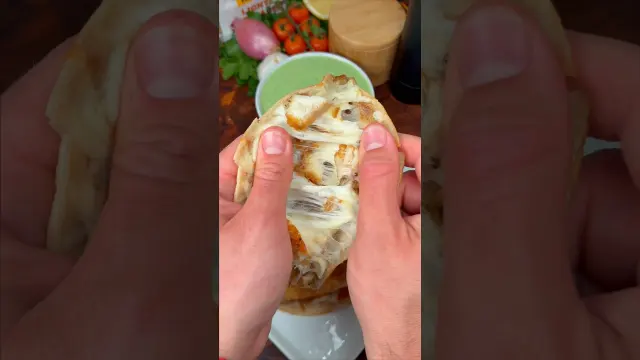 Crispy Chicken Cheese Tacos with Cilantro Lime Sauce
Get new #Dipping Sauce ideas by email
Every Thursday: the week's best ideas, with the newest from #Dipping Sauce.
Related tags
Dipping Sauce: A Guide to Small Bowls, Big Flavour
A dipping sauce is a condiment made to be used by the spoonful rather than poured over a dish: you dip, drag or dunk a piece of food into it just before eating. That small act changes texture as well as taste. Something crisp stays crisp because the sauce sits on the surface for a moment instead of soaking in, and something plain gains a hit of salt, acid, heat or richness exactly where you want it. It is one of the oldest ways of eating, and one of the most forgiving things you can learn to make.
Where it comes from
Almost every food culture has arrived at the same idea from a different direction. In East and Southeast Asia, small dishes of soy, vinegar, fish sauce, sesame and chilli accompany dumplings, spring rolls, grilled meats and fresh rolls. In the Mediterranean and Middle East, olive oil, lemon, garlic and yoghurt do similar work. European cooking contributes mayonnaise, mustard, horseradish cream and the vinegar-based sauces served with fried fish. Latin American kitchens bring salsas and the bright herb sauces built on avocado or coriander. None of these is a single recipe; each is a family of them, adjusted by household and by season.
The main kinds
Read more
Most dipping sauces fall into a few loose groups. Emulsified sauces, such as mayonnaise and its many variations, are thick, creamy and rich, and they cling well to fried food. Yoghurt- and dairy-based sauces are tangy and cooling, and they take herbs, garlic and spices beautifully. Thin, salty-sour sauces built on soy, vinegar or fish sauce are sharp and savoury, and they suit dumplings, grilled meat and vegetables. Tomato and chilli sauces range from mild and sweet to fierce, depending on the pepper. Sweet-sour and fruit-based sauces glaze and caramelise, and they are best with something fatty or bland underneath. Herb and green sauces, whether chopped or blended, are fresh and loose, and they are at their best soon after making.
What beginners should know
Balance is the whole craft. A good dipping sauce usually has something salty, something sour, something sweet and something rich, and often a little heat. Taste as you go and adjust one element at a time: a squeeze of lemon or a splash of vinegar if it tastes flat, a pinch of salt if it tastes sweet, a spoon of oil or yoghurt if it tastes harsh. Remember that the sauce will be eaten in small amounts against a larger mouthful, so it can be more intense than a sauce you would eat by the bowl.
Texture matters as much as flavour. A sauce that is too thin slides off; one that is too thick sits in a lump. A few drops of water will loosen a stiff dip, while a little mustard or egg yolk helps hold an emulsion together if it starts to split.
Practical tips
Make dipping sauces shortly before serving, since fresh herbs, garlic and citrus lose their brightness quickly. Keep hot and cold foods separate from their sauces until the last moment, and offer two or three small bowls rather than one large one so people can choose. Label anything very spicy. Chilling dulls seasoning, so taste again once a sauce has rested in the fridge, and taste it at room temperature if that is how it will be served. Finally, keep a short list of combinations that work and repeat them; a reliable dip is worth more than a clever one.
#Dipping Sauce: frequently asked questions
What exactly makes something a dipping sauce?
A dipping sauce is a condiment you eat by the spoonful rather than pour over a whole dish: food goes in for a moment just before it reaches your mouth. Because the sauce only touches the surface, crisp things stay crisp and plain things pick up salt, acid, heat or richness right where you want it. It is less a fixed recipe than a small, concentrated companion to the food.
How do I build a dipping sauce that actually tastes good?
Think in four directions at once: something salty, something sour, something sweet and something rich, with heat if you like it. Taste as you go and change only one thing at a time, so you can tell what helped. Keep in mind that a dip is eaten in small dabs against a bigger mouthful, so it can be bolder than a sauce you would eat by the bowl.
Which kind of dipping sauce should I pick for what I am serving?
Match the sauce to the texture and fat of the food. Creamy emulsified sauces cling to fried and breaded things, cooling dairy-based ones calm spice and take herbs well, and thin salty-sour sauces built on soy, vinegar or fish sauce suit dumplings, grilled meat and vegetables. Sweet-fruit glazes want something bland or fatty underneath, while green herb sauces are best used soon after they are made.
My sauce tastes flat or has split — how do I rescue it?
Flat usually means it needs acid, so try a squeeze of lemon or a splash of vinegar; if it leans sweet, a pinch of salt pulls it back, and if it tastes harsh, a spoon of oil or yoghurt softens it. A sauce that is too stiff loosens with a few drops of water, while a splitting emulsion often comes back together with a little mustard or egg yolk whisked in. Adjust in small steps and taste between each one.
When should I make and serve a dipping sauce?
Mix it shortly before the meal, because fresh herbs, garlic and citrus fade fast once combined. Keep hot and cold components apart until the last moment, and set out several small bowls instead of one big one so people can pick. If a sauce has been in the fridge, taste it again at the temperature it will be eaten, since chilling mutes seasoning.
What are the most common mistakes with dipping sauces?
Making them too far ahead, serving a single bowl for everyone, and never re-tasting after chilling are the usual culprits. Another is getting the texture wrong, so the sauce slides off the food or sits in a heavy lump instead of coating it. Keep a short list of combinations that worked and repeat them — a dependable dip beats a clever one.
Videos come from YouTube and posts from Instagram; titles and summaries are our own. All rights belong to their creators.