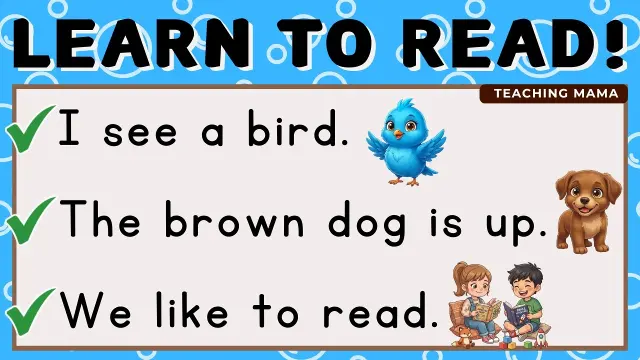
 Sight Words Sentence Reading Practice for Early Readers
#Early Readers
11 ideas
Sight Words Sentence Reading Practice for Early Readers
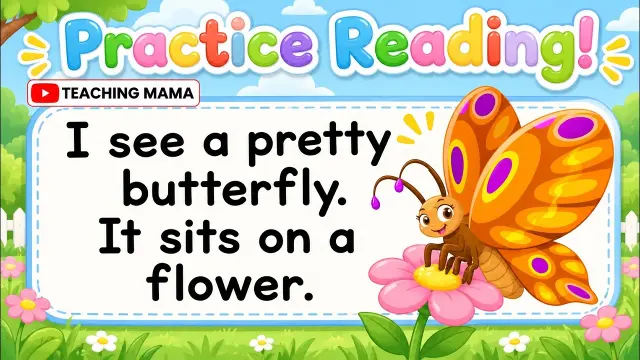 Practice Reading Simple Paragraphs for Early Readers and Kids
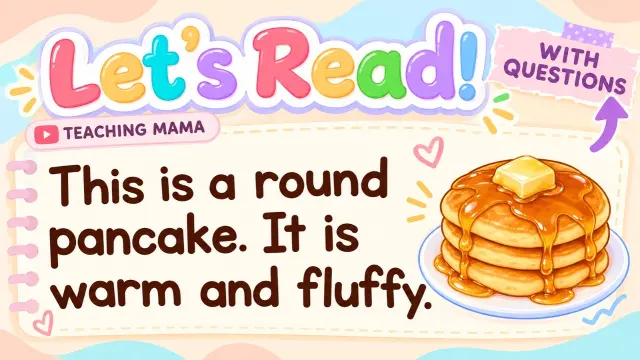 Reading Comprehension Practice with Simple English Passages
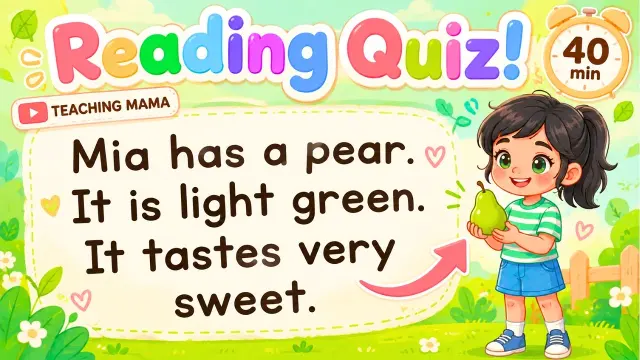 Reading Comprehension Practice with Simple English Passages
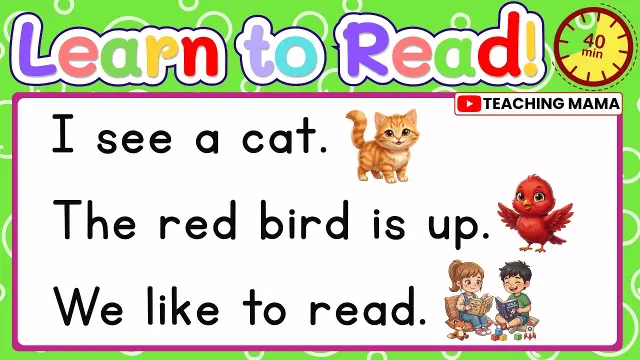 English Reading Practice with Simple Sentences for Kids
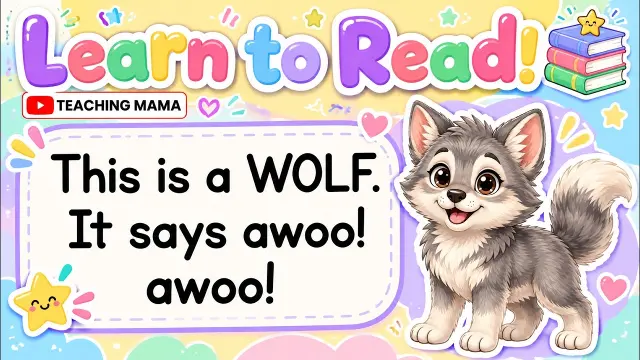 Practice Reading Simple Paragraphs for Early Readers and Kids
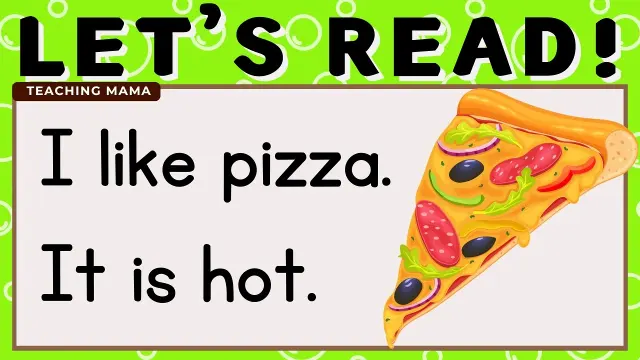 Learning Simple Sight Word Sentences with Visuals
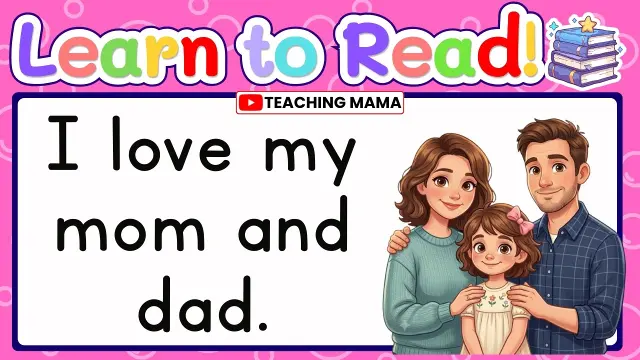 Simple Reading Lesson with Sight Word Sentences for Children
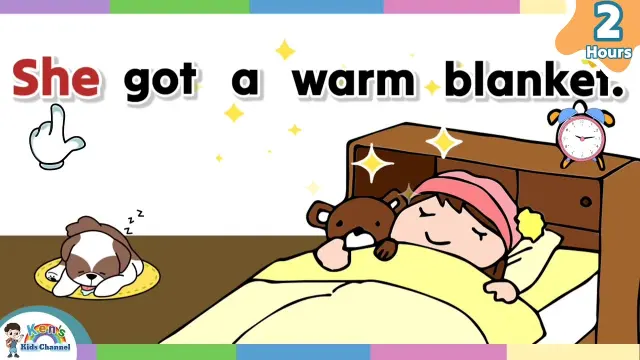 Sentence Reading Practice Compilation for Young Children
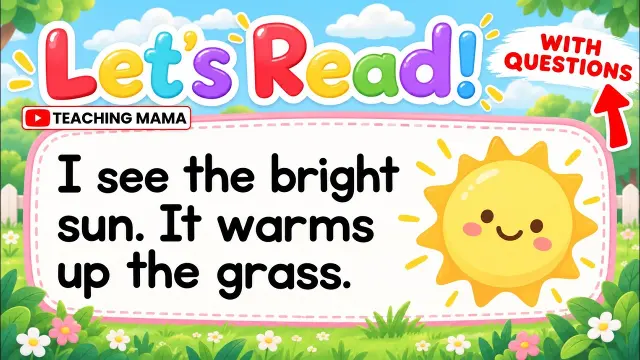 Reading Comprehension and Simple Sentence Practice for Kids
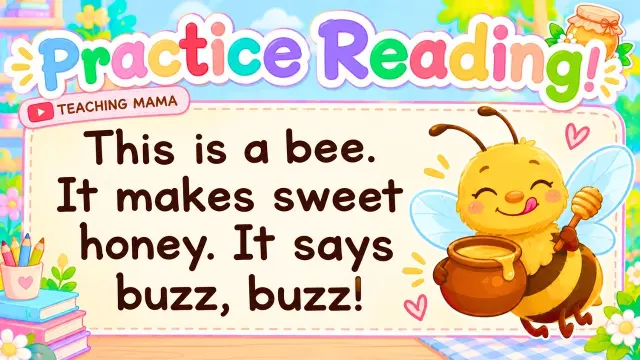 Reading Practice with Simple Paragraphs for Young English Learners
Get new #Early Readers ideas by email
Every Thursday: the week's best ideas, with the newest from #Early Readers.
Related tags
Early Readers: Simple Books for New Readers
What early readers are
Early readers are books and short passages designed for children who are just beginning to read on their own. They usually use simple words, short sentences, clear pictures, and a limited number of new ideas on each page. The goal is to make reading feel manageable, so a child can focus on matching spoken language with printed words.
These books often sit between picture books read aloud by an adult and more independent chapter books. They help bridge that gap by giving young readers enough support to succeed without removing the challenge completely.
What makes them different
Read more
A good early reader keeps the language clear and familiar. It often repeats key words, uses common sight words, and follows a simple story pattern. The illustrations are usually helpful, because they give clues to meaning and make the text less intimidating.
Early readers may include:
- short sentences
- repeated sentence patterns
- simple vocabulary
- large, easy-to-read print
- one main idea or event at a time
- familiar topics such as home, school, animals, or daily routines
Some early readers are made for beginning reading practice, while others tell a complete story in a very simple way. Both can be useful as long as the text stays accessible.
Styles and common forms
Early readers can come in several forms. Some are storybooks with a beginning, middle, and end. Others are practice pages that focus on sight words, sentence reading, or short comprehension questions. You may also find early readers that use guided repetition, rhyme, or very simple nonfiction facts.
A few common types are:
- story-based early readers
- sight word readers
- sentence practice books
- simple nonfiction readers
- phonics-based readers
Each type supports reading in a slightly different way. Story readers help with understanding sequence and character actions. Sight word readers help children recognize words quickly. Phonics-based readers support sound-letter connections. Nonfiction readers introduce simple facts and vocabulary.
What beginners should know
If you are choosing early readers for a child, look for text that is challenging but not overwhelming. A book that is too easy may not build skills, while one that is too hard can cause frustration. The best choice is often a book the reader can mostly manage with a little support.
It also helps to remember that reading develops in stages. Early readers are not meant to be perfect tests. They are practice tools. A child may read some words confidently, need help with others, and still understand the overall meaning.
Practical tips for using early readers
- Read the title and look at the pictures first.
- Encourage the child to point to words while reading.
- Pause after short sections to talk about what happened.
- Repeat favorite books, since repetition builds confidence.
- Offer help with difficult words, but let the child do as much as possible.
- Keep sessions short and positive, especially at the start.
With steady practice, early readers can help children build fluency, confidence, and enjoyment. The most important part is creating a calm, encouraging reading experience so the child feels that reading is something they can do.
Videos come from YouTube and posts from Instagram; titles and summaries are our own. All rights belong to their creators.