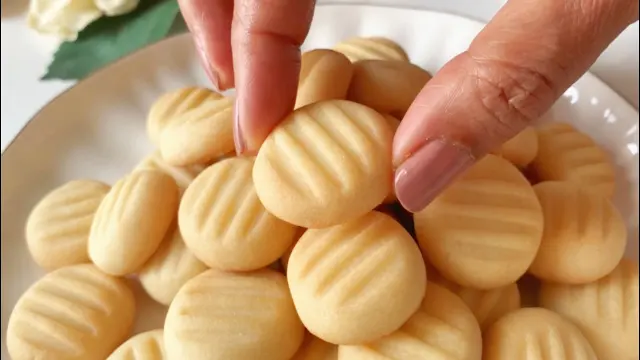
 Three Ingredient Butter Shortbread Mini Cookies
#Easy Baking
2 ideas
Three Ingredient Butter Shortbread Mini Cookies
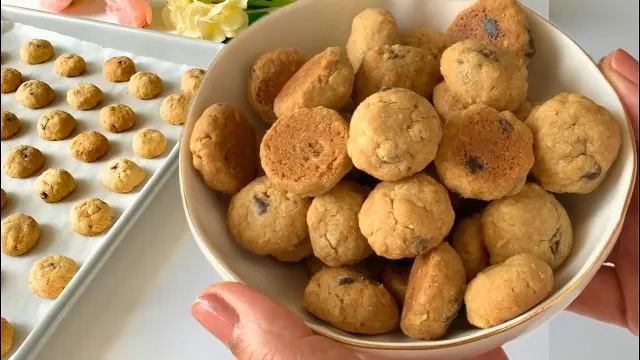 Ten Minute Eggless Mini Chocolate Chip Cookies
Get new #Easy Baking ideas by email
Every Thursday: the week's best ideas, with the newest from #Easy Baking.
Related tags
Easy Baking Basics and Simple Recipes
Easy baking is all about simple recipes, familiar ingredients, and methods that help you get good results without a lot of fuss. It includes everything from quick cookies and muffins to loaf cakes, tray bakes, scones, and other home bakes that rely on basic pantry staples. For many people, it is the most approachable way to start baking, because you can make something comforting and homemade without needing specialist skills or equipment.
What easy baking usually means
At its heart, easy baking uses short ingredient lists and straightforward steps. Many recipes ask you to mix wet ingredients and dry ingredients separately, then bring them together gently. Others use a simple creaming method, where butter and sugar are beaten together before eggs and flour are added. Some bakes are even simpler and use one bowl, which keeps washing up to a minimum and makes the process less intimidating.
Easy baking is not about cutting corners in a careless way. It is about choosing recipes that are naturally forgiving. Dense bakes, such as brownies, shortbread, banana bread, muffins, and many tray bakes, often suit beginners well because they do not depend on precise shaping or complicated decoration.
Read more
Common types of easy bakes
- Cookies and biscuits: quick to mix, easy to portion, and good for small batches.
- Muffins and cupcakes: useful when you want a fast batter and individual portions.
- Loaf cakes: simple to slice and ideal for an everyday bake.
- Tray bakes: practical for feeding a group and usually easy to cut into squares.
- Scones and simple pastries: best when handled lightly and baked soon after mixing.
- Shortbread and buttery biscuits: often made with only a few ingredients and a crisp, tender texture.
What to know before you begin
The most helpful habit is to read the whole recipe first. Easy baking becomes even easier when you understand the order of the steps before you start. It also helps to measure ingredients carefully, especially flour, raising agents, and liquids. Too much flour can make cakes dry, while too little can affect structure.
Room-temperature ingredients are often easier to mix smoothly, especially butter, eggs, and dairy. If a recipe asks you not to overmix, take that seriously: overmixing can make cakes tough or heavy. For many simple bakes, mixing just until the ingredients come together is the safest approach.
Simple tips for better results
- Preheat the oven before you start mixing.
- Line trays or tins so the bake is easier to remove.
- Use the correct tin size when possible, because it affects baking time and texture.
- Check early rather than relying only on the timer, since ovens vary.
- Let bakes cool as directed before slicing or removing from the tin.
- Keep a few reliable recipes and make them often until they feel familiar.
Easy baking is a good place to build confidence. Once you know how a basic dough or batter should look and feel, you can make small changes with more confidence, such as adding fruit, spices, nuts, chocolate chips, or citrus zest. The best easy bakes are often the ones you return to again and again: simple, comforting, and made from ingredients you already know.
#Easy Baking: frequently asked questions
What counts as easy baking for someone who has never baked before?
Easy baking means recipes built on short ingredient lists, basic pantry staples, and methods that don't demand specialist skills or equipment. It covers things like cookies, muffins, loaf cakes, tray bakes, and shortbread, which are mixed in one bowl or with a simple creaming step. The aim is a forgiving recipe that gives a homemade result without fuss.
What do I need in my kitchen to start easy baking?
A mixing bowl, a whisk or wooden spoon, measuring cups or a scale, a baking tin or tray, and baking paper will cover most simple recipes. Beyond that, the ingredients matter more than the gadgets: flour, sugar, butter, eggs, and a raising agent appear again and again. Choosing recipes that fit what you already own is easier than buying equipment for one bake.
Which kind of easy bake should I try first?
Dense, forgiving bakes such as brownies, banana bread, shortbread, muffins, or a tray bake are the gentlest starting points because they don't depend on precise shaping or decoration. If you want something quick and small-batch, cookies and mini biscuits are a good first step. Scones and light pastries are better once you're comfortable handling dough lightly.
What are the most common mistakes in easy baking?
The usual culprits are skipping the full read-through of the recipe, measuring flour loosely so the bake turns dry, and overmixing once the flour goes in, which makes cakes tough. Using the wrong tin size also throws off baking time and texture, and trusting the timer alone rather than checking early. Room-temperature butter, eggs, and dairy make mixing much smoother.
How should I store and keep home bakes fresh?
Most simple cakes, brownies, and cookies keep well in an airtight container at room temperature for a short while, with biscuits staying crisp and loaf cakes staying soft. Let bakes cool completely before sealing them so trapped steam doesn't make them soggy. Scones and pastries are best on the day they're made, and anything with fresh fruit or cream is better kept cool.
Can I adapt easy baking recipes with what I have at home?
Yes, that's part of the appeal — once you know how a basic batter or dough should look and feel, small changes like fruit, spices, nuts, chocolate chips, or citrus zest are easy to add. Stick to the recipe the first time or two so you learn the texture it should reach. After that, swap within similar ingredients rather than changing the amounts of flour, fat, or raising agent.
Videos come from YouTube and posts from Instagram; titles and summaries are our own. All rights belong to their creators.