 Summative Test Reviewer for Grade 1 Math Term 2
#Exam Prep
31 ideas
Summative Test Reviewer for Grade 1 Math Term 2
 Wastewater Treatment Operator Certification Practice Questions
 Clinical Exam Updates And Workshop For The LCSW Licensing Test
 California Life Insurance State Specific Exam Study Guide
 aPHR Exam Study Guide and Eight Week Preparation Plan
 Effective Math Study Methods Used by Top Achieving Students
 GED Social Studies Civics and Government Study Guide
 Enrolled Agent Tax Training Individual Exam Preparation Course
 Grade 9 Social Studies Exam Revision and Walkthrough Guide
 Real Estate Property Ownership and Land Use Practice Test
 Florida Civic Literacy Exam Hardest Questions Study Guide
 Comprehensive Geometry One Shot Marathon for Exam Preparation
 Pharmacy Technician Certification Exam Mock Practice Test
 ServSafe Manager Food Safety Certification Practice Questions
 IELTS Listening Practice Test With Answers
 Clinical Social Work Exam Common Practice Questions and Answers
 ATI TEAS English And Language Usage Practice Test
 The RSVP Method Strategy For Passing The LCSW Exam
 National Counselor Exam Practice Test and Study Guide
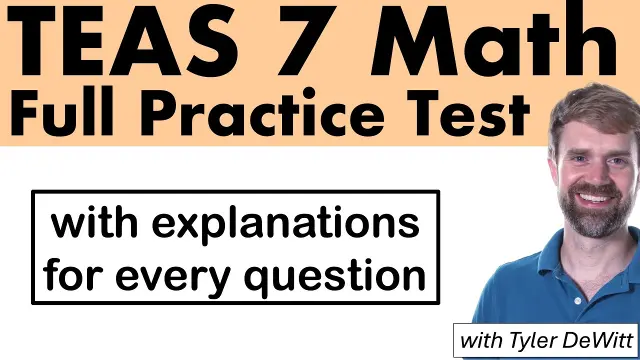 ATI TEAS Version Seven Full Mathematics Practice Test
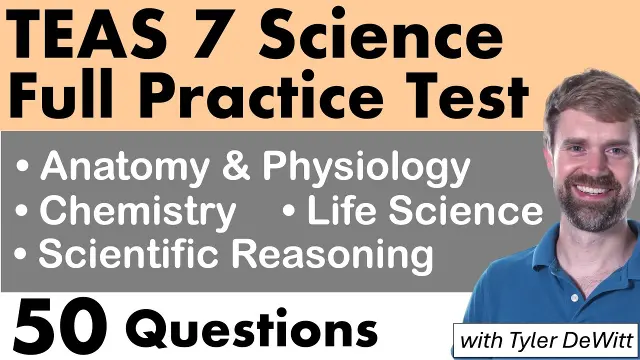 ATI TEAS Version Seven Full Science Practice Test
 Boater Safety Practice Test Series Questions
 Property and Casualty Insurance Exam Comprehensive Study Guide
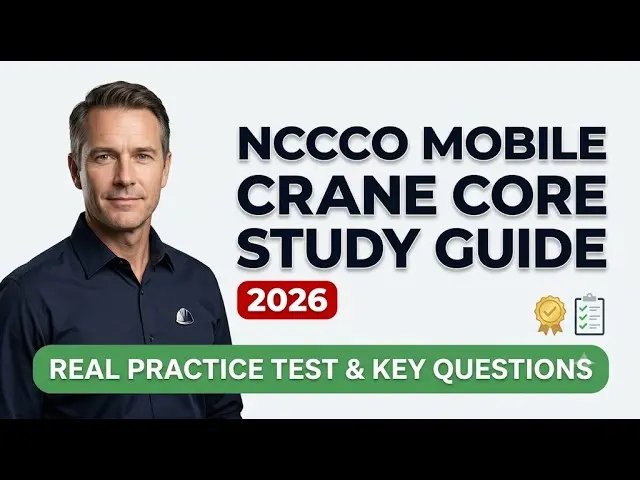 NCCCO Mobile Crane Core Certification Exam Study Guide
Get new #Exam Prep ideas by email
Every Thursday: the week's best ideas, with the newest from #Exam Prep.
Related tags
Exam Prep Guide for Confident Study
What exam prep is
Exam prep is the process of getting ready for a test in a structured, deliberate way. It can apply to school exams, professional certifications, entrance tests, or any assessment that asks you to remember facts, apply rules, solve problems, or think under time pressure. Good preparation is not just about reading more. It is about understanding what the exam asks, organizing your material, and practicing in a way that helps you recall information when it matters.
At its best, exam prep builds both knowledge and confidence. You learn the content, but you also get familiar with the format, the pace, and the kind of thinking the test requires. That makes the exam feel less like a surprise and more like a task you have trained for.
Where to begin
Read more
Start by finding out exactly what will be covered. If you have a syllabus, outline, handbook, or study guide, use it as your map. Break the material into small sections so it feels manageable. A large exam can seem overwhelming when viewed all at once, but much easier when divided into topics and subtopics.
Then look at how you learn best. Some people remember things by writing them out. Others prefer reading, speaking answers aloud, drawing diagrams, or working through practice questions. The best method is often a combination. Active study usually helps more than passive rereading, because it asks your brain to retrieve and use the information.
Common study methods
- Review notes in short, focused sessions rather than one long, tiring stretch.
- Use practice questions to check what you know and what still needs work.
- Rewrite key ideas in your own words to make them easier to remember.
- Make simple summaries, flashcards, or concept maps for tricky topics.
- Study a little each day instead of waiting until the last minute.
- Mix subjects or question types if the exam covers several areas, so you learn to switch gears.
Practice tests are especially useful because they show you more than whether you recognize an answer. They reveal timing issues, weak spots, and common mistakes. After each practice session, review your errors carefully. The point is not only to get the right answer, but to understand why it is right.
Helpful habits before the exam
A steady routine usually works better than cramming. Try to keep your study space simple and free from distractions. Set clear goals for each session, such as finishing one chapter, mastering one skill, or answering a set number of questions.
It also helps to prepare practically for exam day. Know where and when you need to be, what materials you are allowed to bring, and how much time you have. The less uncertainty you face, the easier it is to stay calm.
Take care of yourself in the lead-up to the test. Rest, food, and breaks matter because your brain works better when you are not exhausted. If you feel anxious, slow breathing, short walks, and realistic planning can help you stay grounded.
What beginners should remember
If you are new to exam prep, keep it simple:
- Focus on understanding before memorizing.
- Start early, even if you only study for short periods.
- Review often so the material stays fresh.
- Use mistakes as guidance, not as a reason to give up.
- Aim for steady progress rather than perfect performance.
A balanced approach
The most effective exam prep combines content review, practice, and rest. You do not need to study in a single special way for every test. Instead, adjust your approach to the subject, the format, and your own strengths. With consistent effort and a clear plan, you can prepare in a way that feels organized, realistic, and manageable.
Videos come from YouTube and posts from Instagram; titles and summaries are our own. All rights belong to their creators.