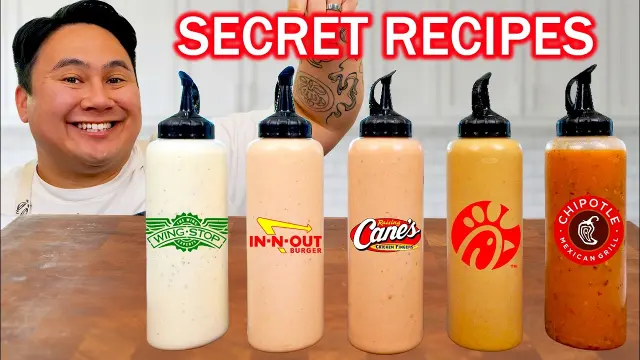
 Recreating Five Popular Fast Food Sauces at Home
#Fast Food
4 ideas
Recreating Five Popular Fast Food Sauces at Home
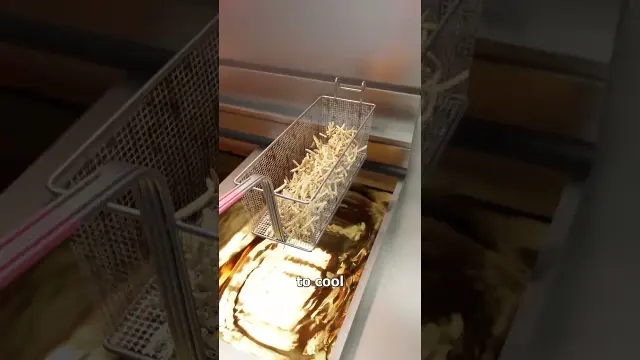 How Five Guys Prepares Their Famous French Fries
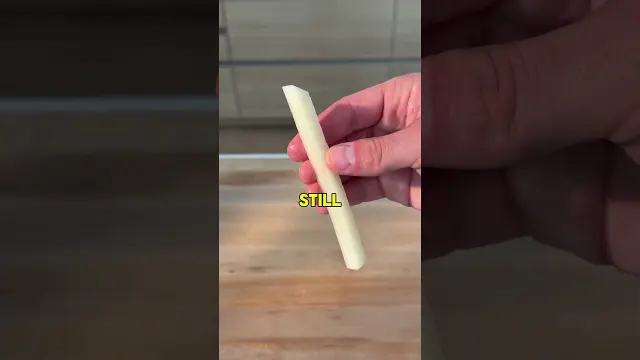 Recreating McDonald's Style French Fries at Home
 Classic Fast Food Style French Fries
Get new #Fast Food ideas by email
Every Thursday: the week's best ideas, with the newest from #Fast Food.
Related tags
Fast Food: A Guide to Its Styles and Appeal
Fast food is food built around speed: dishes designed to be prepared quickly, served quickly and eaten quickly, usually from a limited menu that a kitchen can repeat hundreds of times a day without losing consistency. The idea is older than the restaurants we associate with it — street vendors have sold hot food to passers-by for as long as there have been cities — but the modern form took shape in the twentieth century, when assembly-line thinking was applied to cooking. Instead of one cook making one dish from start to finish, each step is broken down and standardised, so that a burger or a portion of fries comes out the same whether it is ordered at noon or at midnight.
The defining features
What separates fast food from ordinary quick cooking is not the dish but the system around it:
- A short menu, so that ingredients and equipment are used again and again.
- Pre-portioned ingredients and measured recipes, which keep results predictable.
- Equipment built for volume: flat griddles, pressure fryers, holding cabinets, warming lamps.
- Assembly to order, where components are cooked or held in advance and combined when the customer asks.
- Food made to be eaten with the hands, from a wrapper or a tray.
Read more
The main styles
Most fast food falls into a handful of families. Burgers and grilled sandwiches rely on a hot flat surface and a soft bun. Fried chicken and fish depend on batters and breading, and on oil kept at a steady temperature. French fries are a two-stage process: a first cook to soften the inside, a second at higher heat to crisp the outside. Pizza trades on a very hot oven and a dough that can be stretched to order. Tacos, wraps and filled flatbreads combine a warm starch with cold, fresh components, which is why they are assembled last. Alongside these sit the supporting cast — dips and sauces, milkshakes, sodas, simple sides — which do much of the work of making a meal feel complete.
What beginners should know
Home cooking rarely needs the industrial approach, but a few principles transfer well. Get your equipment hot before anything touches it; a pan or a pot of oil that is not up to temperature steams food instead of browning it. Salt in layers rather than all at once. Keep cold things cold and hot things hot until the moment they meet. And accept that fries, fried chicken and griddled patties are at their best in the first few minutes — fast food is not built to wait, and neither is a homemade version.
Practical tips
Read the whole recipe before you start and lay out everything you need, because these dishes move quickly once they begin. Do not crowd the pan or the fryer; steam is the enemy of crunch. Rest fried food briefly on a rack rather than on paper, so it stays crisp. When you are making a sauce or a seasoning mix, taste as you go and adjust. And keep the meal simple: one main, one side, one sauce, done well, will always beat four things rushed at once.
#Fast Food: frequently asked questions
How can I make fast food style meals at home without a restaurant setup?
Focus on a short menu and prep everything before you start, because these dishes come together fast. Use hot equipment, keep ingredients portioned and ready, and finish the food right before serving so it stays crisp and fresh.
What kind of fast food is easiest for beginners to make?
Burgers, fries, simple sandwiches, and wraps are usually the easiest places to start because they use familiar ingredients and basic equipment. Choose one main item and one sauce or side so you can concentrate on getting the timing and texture right.
How do I make French fries taste more like classic fast food fries?
The key is to cook them in stages so the inside softens before the outside browns and crisps. Keep the oil or cooking surface hot, avoid overcrowding, and serve them as soon as they are done for the best texture.
What are some easy fast food sauces I can recreate at home?
Start with simple creamy, tangy, or smoky sauces that use a short ingredient list and can be adjusted to taste. Mix them ahead of time so the flavors can blend, then serve them with burgers, fries, or wraps.
What are the most common mistakes when cooking fast food style dishes?
Letting the pan or oil stay too cool is a common mistake, because it makes food soft instead of browned. Crowding the pan, overcomplicating the menu, or letting the finished food sit too long can also ruin the texture and timing.
Videos come from YouTube and posts from Instagram; titles and summaries are our own. All rights belong to their creators.