 Recreating Five Popular Fast Food Sauces at Home
#Sauce Recipes
3 ideas
Recreating Five Popular Fast Food Sauces at Home
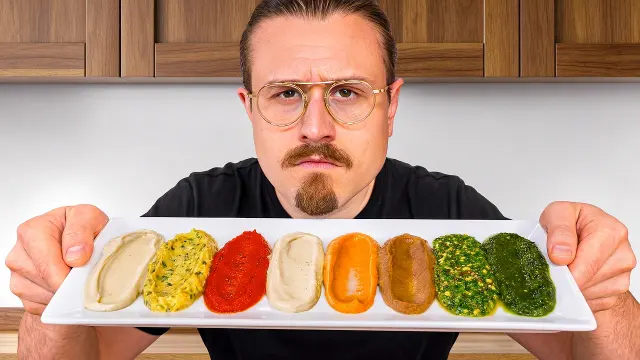 Modern Mother Sauces Worth Learning by Heart
 Burger Sauce Inspired by In-N-Out, Made at Home
Get new #Sauce Recipes ideas by email
Every Thursday: the week's best ideas, with the newest from #Sauce Recipes.
Related tags
Sauce Recipes: The Foundations of Cooking
A sauce is any liquid served with food to add moisture, richness, acidity or a final layer of flavour. The word comes from the Latin salsus, meaning salted, a reminder that sauces began as a way of seasoning what came out of the pot. Nearly every culinary tradition has its own: a slow-cooked mole, a soy-based glaze, a tomato ragù, a herbed yogurt dressing. Learning a handful of them gives you more range in the kitchen than any single recipe.
The five mother sauces
French cooking organises the subject around five base sauces, each of which can be varied endlessly. Béchamel is milk thickened with a roux of butter and flour; add cheese and it becomes the sauce for a gratin. Velouté is a light stock thickened the same way, the base of many poultry and fish sauces. Espagnole is a dark, long-simmered brown stock sauce and the ancestor of the rich reductions served with red meat. Sauce tomate is the tomato base, cooked down until sweet and thick. Hollandaise is the exception: a warm emulsion of butter and egg yolk, served as it is or lifted with herbs.
Thickening, emulsifying, reducing
Read more
Three techniques underpin almost everything else. Starches — flour, cornflour, arrowroot — thicken a liquid when heated, and need to be cooked long enough to lose their raw taste. Emulsification binds fat and liquid together with the help of a third ingredient such as egg yolk or mustard; it fails when the fat goes in too quickly or the mixture gets too hot. Reduction means simmering a liquid until water evaporates and the flavour concentrates. That is how pan sauces are made: deglaze the roasting tin with wine or stock, scrape up the browned bits, then finish with a knob of butter off the heat.
Cold sauces and dressings
Not everything is cooked. A vinaigrette is a temporary emulsion of oil, vinegar and salt, usually about three parts oil to one part acid, shaken just before serving. Mayonnaise is the permanent version, and the parent of tartare, aioli and countless sandwich spreads. Yogurt, crème fraîche and buttermilk make lighter cold sauces that take well to herbs, citrus and spice.
Dipping sauces and condiments
Dips are the most forgiving place to begin. A base of mayonnaise, yogurt, tomato or soy, plus something sour, something sweet and something aromatic, will nearly always work. Taste as you go, and remember that a sauce served cold needs slightly bolder seasoning than a hot one.
Practical tips for beginners
Season in stages rather than all at once, and taste the sauce with the food it will accompany, not on its own. Balance four things — salt, sour, fat and sweet — and add a squeeze of lemon or a splash of vinegar whenever a sauce tastes flat. Keep a little stock on hand for loosening a sauce that has thickened too much. Egg-based sauces are delicate, so keep them warm rather than hot. Cool leftovers quickly, refrigerate them, and reheat gently, whisking in a spoonful of water to bring the texture back. Learn one sauce well before moving to the next; the technique transfers.
#Sauce Recipes: frequently asked questions
How do I start making sauces at home if I’m a beginner?
Start with a simple dip or a basic pan sauce, since both are forgiving and teach the same core balance of salt, acid, fat and sweetness. Learn one method well before moving on, then taste the sauce with the food it will be served alongside.
What ingredients or tools do I need for most sauce recipes?
Most sauces begin with a small set of basics such as fat, an acidic element, something to add body, and a seasoning ingredient. A whisk, a saucepan, and a spoon for tasting are usually enough for many everyday sauces.
Which type of sauce should I choose for a meal?
Pick a sauce that matches the dish and the cooking style: rich, cooked sauces work well with roasted meats, while lighter cold sauces suit vegetables, seafood, or sandwiches. If you want something versatile, a vinaigrette, a simple yogurt sauce, or a pan sauce is a good place to start.
How do I keep a sauce from turning lumpy or breaking?
Add thickening ingredients slowly and cook them long enough to lose any raw taste. For emulsified sauces, add fat gradually and keep the heat gentle, because too much heat or rushing the oil in can cause the mixture to split.
What are some good sauce ideas for burgers or casual occasions?
A burger sauce can be built from a creamy base like mayonnaise with something tangy, something sweet, and a little aromatic flavor. This same formula also works well for sandwiches, fries, grilled vegetables, and party platters.
What are the most common mistakes when making sauces?
A common mistake is seasoning only at the end instead of adjusting in stages, which can leave the flavor flat. Another is overcooking delicate sauces or not loosening a sauce that has become too thick, both of which can hurt the texture.
Videos come from YouTube and posts from Instagram; titles and summaries are our own. All rights belong to their creators.