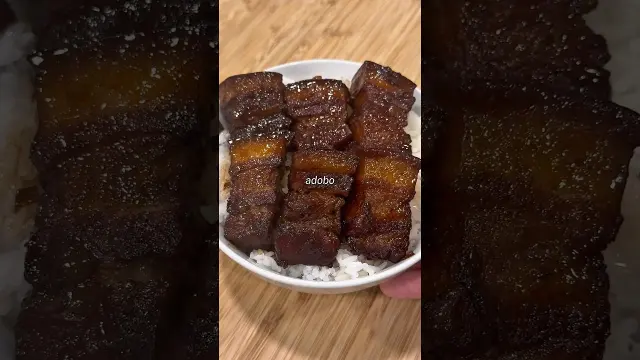
 Tender Pork Belly Adobo Simmered in Soy and Vinegar
#Filipino Food
1 ideas
Tender Pork Belly Adobo Simmered in Soy and Vinegar
Get new #Filipino Food ideas by email
Every Thursday: the week's best ideas, with the newest from #Filipino Food.
Related tags
Filipino Food: A Guide to Flavours and Traditions
Filipino food is the home cooking of the Philippine archipelago, thousands of islands where Malay, Chinese, Spanish and American influences met and settled into something clearly its own. It is food built around rice, made for sharing, and rooted in the everyday kitchen rather than in restaurant polish.
Many shores, one table
Southeast Asian trade brought coconut, chillies and a love of grilling. Chinese traders left noodles, dumplings and the habit of steaming in bamboo. Centuries of Spanish rule introduced tomatoes, garlic-heavy braises and the word adobo itself, while American influence later added tinned goods and baking. None of this replaced local cooking. It was absorbed, adjusted to whatever grew nearby, and passed down in families — which is why the same dish can taste different from one house to the next.
Sour, salty, and a little sweet
Read more
The guiding principle is sourness and salt. Vinegar, calamansi, tamarind and unripe fruit bring the sour notes; salt arrives through fish sauce, shrimp paste, dried fish and soy. Sweetness appears in cured meats, in slow-stewed dishes and, of course, in desserts. Rice sits at the centre of the plate — not a side dish, but the thing everything else is eaten with.
Dishes worth knowing
- Adobo: meat braised in vinegar, soy, garlic and peppercorns. It keeps well and often tastes better the next day.
- Sinigang: a sour soup, usually tamarind-based, with pork, fish or prawns and plenty of vegetables.
- Kare-kare: a thick peanut stew, often with oxtail, served with fermented shrimp paste on the side.
- Lechon: a whole roast pig, the centrepiece of fiestas and family celebrations.
- Pancit and lumpia: noodles and spring rolls, both with Chinese roots, both expected at birthdays.
- Halo-halo: shaved ice with milk, fruit, beans and sweetened ingredients, mixed well before you eat it.
Merienda and the habit of sharing
Between meals comes merienda, a mid-afternoon snack of bread, rice cakes or something sweet. Meals are served family-style, and at a fiesta it is normal to eat with your hands, with the food spread across banana leaves. Guests are urged to take more; refusing is the harder task.
Getting started
Use cane or palm vinegar for braises — it is milder than distilled spirits vinegar. Rinse salted fish before cooking, and taste before adding more fish sauce. Resist stirring a vinegar braise too much at the start, and let it simmer gently. Cook your rice well; everything else follows from it. Above all, don't chase a single correct version. Filipino cooking is regional and deeply personal, so start with a recipe, then adjust it until it tastes like home to you.
#Filipino Food: frequently asked questions
How do I start cooking Filipino food at home?
Start with a vinegar braise such as adobo, because it teaches the balance of sour, salty and sweet that runs through the whole cuisine. Cook your rice properly first, since rice is the centre of the plate rather than a side, and build the rest of the meal around it. Follow one recipe closely once, then adjust it toward what tastes right to you.
What pantry basics do I need for Filipino cooking?
The essentials are vinegar, soy sauce, fish sauce, garlic, peppercorns and rice, with tamarind or calamansi for sourness and shrimp paste for depth. Cane or palm vinegar works better than harsh distilled vinegar in braises, and salted fish should be rinsed before it goes in the pot. Beyond that, buy vegetables and meat fresh and keep the seasoning simple.
Which Filipino dish should I try first?
Adobo is the easiest entry point and forgiving to cook, while sinigang suits anyone who likes sour, brothy soups. If you want something rich and unusual, kare-kare's peanut stew with shrimp paste on the side is worth the effort. Save lechon for a celebration, since it is a whole-roast centrepiece rather than an everyday dish.
What are the common mistakes when cooking Filipino food?
Stirring a vinegar braise too much at the start stops it from settling into a mellow sourness, so let it simmer gently instead. Adding fish sauce before tasting often makes a dish too salty, and using distilled vinegar where cane vinegar belongs gives a sharp, harsh edge. The biggest mistake is hunting for one official version of a dish, when every family cooks it its own way.
What should I serve for a birthday or family gathering?
Noodles and spring rolls are expected at birthdays, and a whole roast pig is the usual showpiece at fiestas and big family parties. Set everything out family-style, ideally over banana leaves, and let people eat with their hands if they like. Keep urging guests to take more, because in Filipino hospitality refusing food is the harder task.
How should I store and reheat leftovers?
Vinegar-braised dishes such as adobo keep particularly well and often taste better once reheated, since the flavours deepen. Cool food promptly, store it covered, and reheat it thoroughly rather than picking at it cold. Sour soups and stews also improve after a rest, so they are good candidates for cooking ahead.
Videos come from YouTube and posts from Instagram; titles and summaries are our own. All rights belong to their creators.