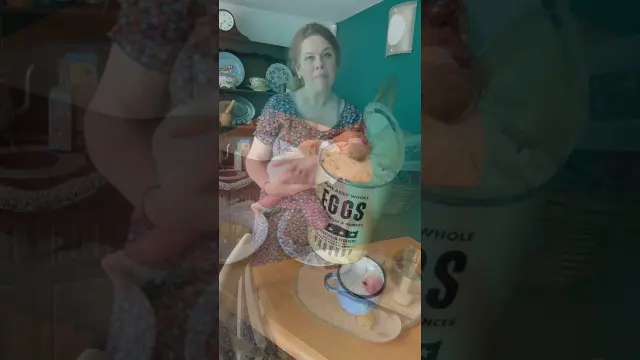
 Making Cheese Dreams With 1940s Food Rationing Guidelines
#Food Rationing
1 ideas
Making Cheese Dreams With 1940s Food Rationing Guidelines
Get new #Food Rationing ideas by email
Every Thursday: the week's best ideas, with the newest from #Food Rationing.
Related tags
Food Rationing: A Guide to Cooking With Limits
Food rationing is a system in which a government or authority limits how much of certain goods each household may buy, usually during war, shortage or crisis. Instead of letting prices and supply decide alone, a fixed share of staples — sugar, fat, meat, dairy, bread — is guaranteed to everyone, while rarer items are restricted. The aim is fairness: enough for all, rather than plenty for some and nothing for others.
How rationing has worked
The usual tool is the ration book. Each person is registered and given coupons or stamps, and the shopkeeper removes the right coupon with every purchase. Some goods are counted by weight, others by points: you might have a monthly allowance of meat and a separate pool of points to spend across tinned goods, dried fruit or preserves. Sweets, soap and clothing have often been rationed alongside food. In many countries, restaurants and canteens operated under their own rules, and some items could only be bought cooked, not raw, to stop people buying extra to resell.
Rationing has appeared in many places and times — during the two world wars in Europe and beyond, in post-war periods when supplies stayed short, and in countries managing scarcity for other reasons. The details differ, but the shape of the system is remarkably consistent.
Read more
The kitchen skills it teaches
Rationed cooking is not about deprivation so much as invention. Cooks learned to work with what was available and to waste nothing:
- Substitution: swapping ingredients for what you can get — dried milk for fresh, mashed root vegetables for fat in baking, syrup or fruit for sugar.
- Stretching: bulking out small amounts of meat or cheese with potatoes, pulses, oats, breadcrumbs or vegetables.
- "Mock" dishes: pies, roasts and cakes made to resemble the real thing using cheaper components.
- Preserving: bottling, pickling, salting and drying whatever was plentiful so it could return later.
- Home growing: allotments, gardens and window boxes producing salad, herbs and greens.
- Making do with less fuel and equipment: one-pot meals, slow simmering, and reheating leftovers deliberately.
What beginners should know
If you want to cook in this spirit, start with your pantry rather than a recipe. Learn a handful of flexible base dishes — soup, stew, a plain cake, a simple flatbread — and treat the ingredient list as a suggestion. Plan meals around what needs using first, and keep a running note of what you already own so nothing is forgotten at the back of a shelf.
Weigh and measure more carefully than usual, especially when fat or sugar is short, since substitutions change how a recipe behaves. Expect some failures; rationed cooking has always involved trial and error.
Why it still matters
The habits behind food rationing — planning, thrift, preserving, wasting less, cooking from basic ingredients — remain quietly useful. They suit a tight budget, a small kitchen, a household trying to cut waste, or simply anyone who wants to be a more resourceful cook. You do not need a crisis to learn them, and once learned they tend to stay.
#Food Rationing: frequently asked questions
How do I start cooking in a food rationing style?
Begin with what you already have rather than with a shopping list or a recipe. Learn a few flexible base dishes — a soup, a stew, a plain cake, a simple flatbread — and treat the ingredient amounts as suggestions you can adjust. Before each meal, look at what needs using up first and build the dish around that.
What do I actually need to keep in the pantry for this kind of cooking?
The staples that make stretching possible do most of the work: oats, pulses, potatoes and other roots, breadcrumbs, dried milk, and a little fat or sweetener held back for baking. Alongside those, keep whatever you preserve yourself so it can come back into the rotation later. A running written note of what you own stops things disappearing at the back of a shelf.
Which approach suits a beginner best — substitution, stretching, or preserving?
Stretching is usually the gentlest place to start, because bulking a small amount of meat or cheese out with potatoes, pulses or vegetables rarely fails outright. Substitution is the next step, and it demands more care since swapping fat, sugar or liquid changes how a recipe behaves. Preserving is worth adding once you notice a surplus you keep throwing away.
How should I store and preserve food so nothing is wasted?
Match the method to the surplus: bottling and pickling for fruit and vegetables, salting and drying for whatever keeps well that way, and deliberate reheating for leftovers that would otherwise sit forgotten. Label what you put up so you can use the oldest first. Store everything cool, dark and dry where that applies, and check preserves periodically rather than trusting them to keep indefinitely.
Can these dishes work for a family meal or a special occasion?
Yes — the tradition is full of celebratory food made from plain components, including pies, roasts and cakes built to resemble richer versions of themselves. The trick is to lean on presentation and one carefully saved ingredient rather than on volume. A shared one-pot dish with something baked alongside carries a table perfectly well.
What mistakes do people make when they first try rationed cooking?
The most common is guessing at quantities when fat or sugar is short, since substitutions change how a mixture behaves — weigh and measure more carefully than usual at first. Another is planning from recipes instead of from the pantry, which leads to bought ingredients going soft while older ones are ignored. Expect some failures; this style of cooking has always been learned by trial and error.
Videos come from YouTube and posts from Instagram; titles and summaries are our own. All rights belong to their creators.