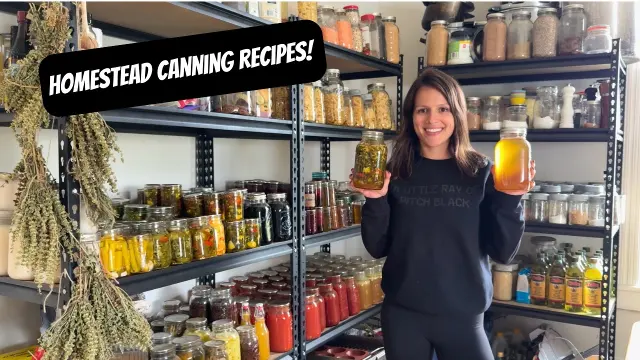
 Canning the Last of the Garden Harvest for Winter
#Garden Harvest
1 ideas
Canning the Last of the Garden Harvest for Winter
Get new #Garden Harvest ideas by email
Every Thursday: the week's best ideas, with the newest from #Garden Harvest.
Related tags
Garden Harvest Guide
What a garden harvest is
A garden harvest is the moment when the plants you have cared for finally become food, herbs, seeds, or flowers you can use. It is one of the most satisfying parts of gardening, because it turns months of watering, weeding, and waiting into something tangible. A harvest can be small or abundant, whether you are picking a few ripe tomatoes, a basket of beans, a bunch of herbs, or armfuls of flowers.
The best harvest time depends on the plant. Some crops are picked young and tender, while others are left to mature fully. Fruit and vegetables are usually harvested at the point when flavor, texture, and aroma are at their best. Herbs are often gathered before they flower, when their leaves are most fragrant. Flowers are picked when they are fresh and open enough to enjoy, but not yet past their peak.
Common kinds of harvests
Read more
A garden can provide many different kinds of harvests:
- Fruits and vegetables for eating fresh or cooking
- Herbs for drying, freezing, or immediate use
- Seeds for replanting or storing
- Edible flowers for decoration or gentle flavor
- Cut flowers and greenery for arranging indoors
Each type has its own timing and handling needs, but the basic idea is the same: pick at the right moment and treat the harvest carefully so it keeps its quality.
How to harvest well
Gentle handling matters. Use clean hands or clean tools, and avoid bruising delicate produce. Harvest in cool parts of the day when possible, because plants and produce are often less stressed then. Check each item before picking, and choose those that are fully ready. If you are unsure, it is usually better to leave something a little longer than to pick it too early.
Sort your harvest as you go. Set aside pieces that are damaged, overripe, or insect-marked so they can be used first, cooked, or composted. Keep sturdy crops separate from fragile ones so nothing gets crushed.
Storing and preserving your harvest
Not everything needs to be used right away. Some crops keep well in a cool, dry place, while others need the refrigerator. Leafy greens, tender herbs, berries, and soft fruits are usually best handled quickly. Roots, squash, onions, and some other crops can often be stored for longer if they are dry and undamaged.
Preserving is a useful way to reduce waste when the garden gives more than you can eat fresh. You can:
- Dry herbs and some flowers
- Freeze chopped vegetables, fruit, or herbs
- Make jams, pickles, sauces, or relishes
- Can or bottle produce if you already know safe preserving methods
Always follow reliable, safe methods for home preserving, especially when using heat, jars, or acidic foods.
A few beginner tips
If you are new to harvesting, start by learning the signs of readiness for each plant you grow. Take notes if that helps, because timing is often the hardest part at first. Harvest regularly, since many crops produce more when picked often. And do not worry if some crops are imperfect; a home garden harvest is about learning as much as it is about abundance.
With practice, you will begin to recognize the rhythm of the garden: what is ready now, what needs another day, and what can be saved for later.
#Garden Harvest: frequently asked questions
How do I know when a garden harvest is ready to pick?
The signs of readiness differ from plant to plant: fruit and vegetables are ready when flavor, texture, and aroma peak, herbs are best gathered before they flower, and flowers when they are open but not past their best. Learning each plant's cues takes a season or two, so tasting and checking often is the simplest way to judge. When in doubt, leaving something a little longer is usually safer than picking too early, since many crops keep ripening while picked-early ones never catch up.
What do I actually need to start harvesting from my garden?
Very little beyond clean hands or clean tools, plus something to carry what you pick. Sturdy crops and delicate ones should go into separate containers so nothing gets crushed on the way in. Harvesting in the cooler parts of the day helps too, since plants and produce are less stressed then and hold their quality better.
Which kind of garden harvest should a beginner choose?
Start with whatever you will genuinely use and enjoy, rather than trying to grow one of everything at once. Leafy crops and herbs are forgiving and give quick feedback, while fruiting vegetables ask for more patience before the reward arrives. Adding a new type each season lets you learn its timing without overwhelming yourself.
How should I handle and store a harvest so it keeps well?
Sort as you pick: set aside damaged, overripe, or insect-marked pieces to use first, and keep fragile items away from heavy ones. Greens, tender herbs, berries, and soft fruit are best dealt with quickly, while roots, squash, and onions often last longer in a cool, dry place once they are dry and unblemished. When the garden gives more than you can eat fresh, drying, freezing, and cooking into sauces or pickles all help cut waste.
What mistakes do new gardeners make at harvest time?
The most common ones are picking too early and picking too rarely, since many crops produce more when gathered often. Rough handling is another easy slip, as bruising shortens how long produce keeps even when it looked perfect on the plant. Taking a few notes on what was ready and when makes the next round far less guesswork.
Videos come from YouTube and posts from Instagram; titles and summaries are our own. All rights belong to their creators.