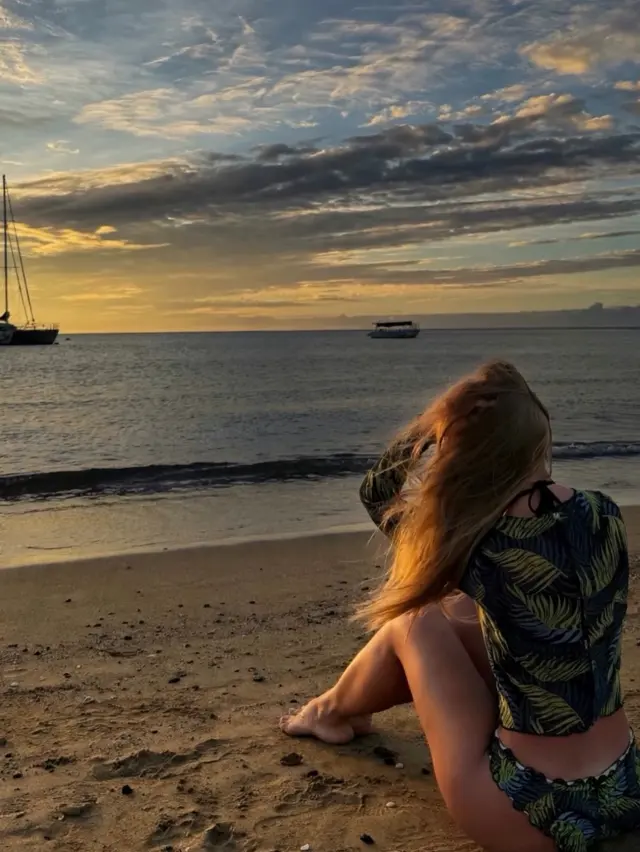
 Quiet beach moments and island vibes on the Big Island of Hawaii
#Hawaii
4 ideas
Quiet beach moments and island vibes on the Big Island of Hawaii
Get new #Hawaii ideas by email
Every Thursday: the week's best ideas, with the newest from #Hawaii.
Related tags
Hawaii: An Evergreen Guide to the Islands
Hawaii is a chain of islands in the middle of the Pacific Ocean, and the only American state made up entirely of islands. It sits far from any continent, which is why its plants, animals and culture developed in such a distinctive way. Most visitors come for the scenery, but the islands reward anyone who arrives curious about the place itself and not just the beach.
Eight islands, eight characters
The main islands are Hawaii Island (usually called the Big Island), Maui, Oahu, Kauai, Molokai, Lanai, Niihau and Kahoolawe. All were built by volcanic activity, and that geology still shapes daily life: the Big Island continues to grow, Kauai is the oldest and greenest, and Maui rises around a vast eroded volcano. Oahu holds the largest city and the busiest beaches, while Molokai and Lanai move at a much slower pace. Each island has its own weather, its own food and its own idea of a good afternoon, so trying to see several in a short trip rarely works well.
The meaning of aloha
Read more
Aloha is often translated as hello and goodbye, but for Native Hawaiians it carries ideas of warmth, generosity and mutual respect. That spirit shows up in everyday courtesies, in the way people share food, and in the concept of malama aina, caring for the land that cares for you. Hawaiian language and arts are alive here: hula as a form of storytelling, chant, featherwork, weaving, and the revival of traditional voyaging canoes and fishponds. Approaching these as living culture rather than entertainment changes how you see everything else.
What you will eat
Island food reflects centuries of mixing between Hawaiian, Japanese, Chinese, Portuguese, Filipino and Korean families. You will find poke, raw fish seasoned and served chilled; plate lunch, a comforting combination of meat, rice and macaroni salad; kalua pork cooked in an underground oven; laulau; poi; and sweet things like shave ice and malasadas. Local fruit is worth seeking out at markets, and small roadside stands often serve the most memorable meals.
Land and water
Trade winds keep the islands mild, and rain tends to fall on the windward sides while the leeward coasts stay drier. That means a short drive can take you from rainforest to dry grassland. The ocean deserves respect: currents can be strong, waves arrive without warning, and conditions change quickly, so swimming near lifeguards and asking about local conditions is always sensible. Protect yourself from the sun, which is intense even on overcast days, and give the reef space. Coral is fragile, and touching it damages what took decades to grow.
Practical notes for a first visit
- Choose one island and settle into it rather than rushing between several.
- Reserve popular natural sites and parks in advance where required; several limit daily visitors.
- Bring shoes you can walk in, a light rain layer and warmer clothing for mountain summits, which can be surprisingly cold.
- Take only photographs. Sand, rocks and coral are part of the landscape and, in some traditions, should stay where they are.
- Learn a few words of Hawaiian, and pronounce place names as best you can; people notice the effort and appreciate it.
Travel slowly, buy from local businesses, and leave room for unplanned hours. Hawaii rewards the visitor who waits.
#Hawaii: frequently asked questions
How do I choose which Hawaii island to visit first?
Start with the kind of trip you want most. Oahu is best if you want city energy and popular beaches, while the Big Island, Maui, Kauai, Molokai, and Lanai each offer a very different pace and landscape. If you only have a short trip, it usually works better to stay on one island and explore it well instead of trying to rush between several.
What should I pack for a Hawaii trip?
Pack light clothing for warm weather, plus comfortable walking shoes and a light layer for rain or cooler mountain areas. A sun hat, reef-safe habits, and a small day bag are helpful too, especially if you plan to spend time outdoors or near the water. For a short summer trip, simple outfits that work from beach to town are usually the easiest choice.
What is the best way to care for the islands while visiting?
Treat Hawaii as a living place, not just a backdrop for photos. Take only pictures, stay off fragile coral, and follow local guidance at parks, beaches, and sacred sites. Learning a few Hawaiian words and showing respect for local customs also goes a long way.
What kind of food should I try in Hawaii?
Hawaii is a great place to try dishes that reflect many cultures living together. Poke, plate lunch, kalua pork, laulau, poi, shave ice, and malasadas are all common favorites, and local fruit from markets or roadside stands can be especially memorable. Trying a mix of classic foods and small local spots often gives you the best sense of the islands.
What are the most common mistakes first-time visitors make in Hawaii?
A big mistake is trying to see too much in too little time, which can leave you rushed and missing what makes each island special. Visitors also sometimes ignore ocean conditions, underestimate the sun, or treat cultural places casually. Slowing down, checking local conditions, and being respectful of the land and people make the trip much better.
Videos come from YouTube and posts from Instagram; titles and summaries are our own. All rights belong to their creators.