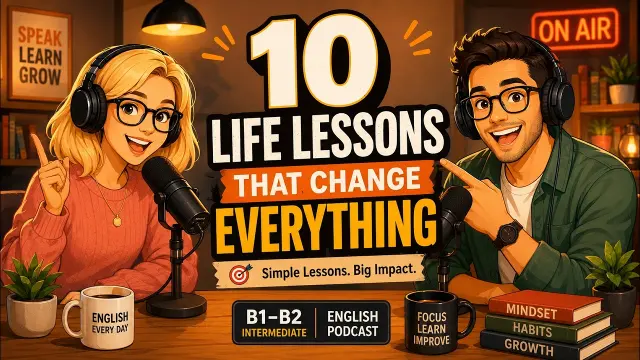
 Intermediate English Conversation Practice Through Life Lessons
#Intermediate English
7 ideas
Intermediate English Conversation Practice Through Life Lessons
 Intermediate English Speaking Practice and Shadowing Course
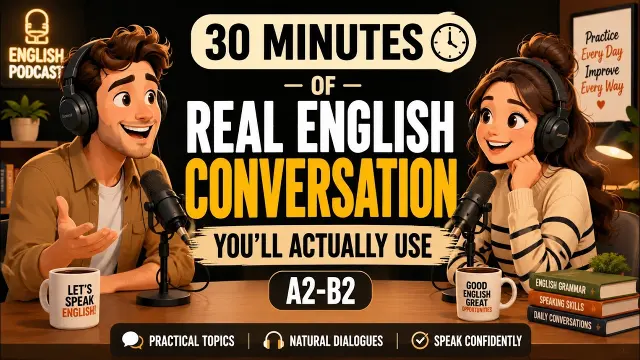 Real English Conversation Practice for Intermediate Learners
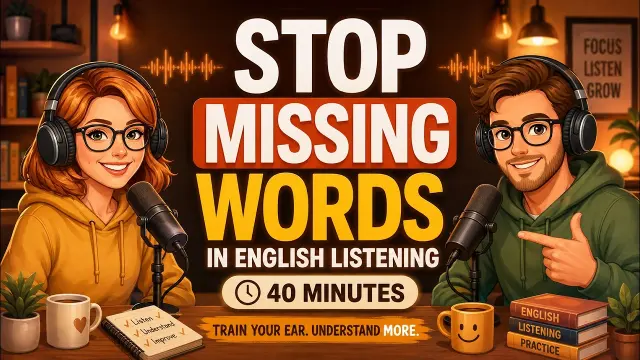 Forty Minutes of Real English Listening Practice
 Improve English with Forty Minutes of Real Listening
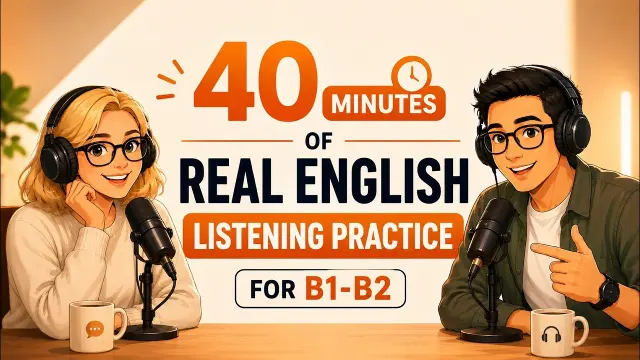 Real English Listening Practice for B1-B2 Learners
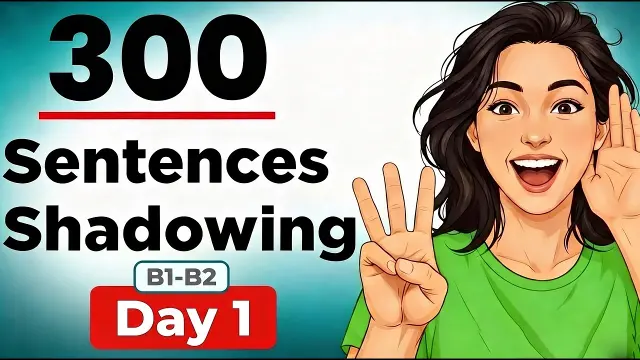 Intermediate English Shadowing Practice with Daily Sentences
Get new #Intermediate English ideas by email
Every Thursday: the week's best ideas, with the newest from #Intermediate English.
Related tags
Intermediate English: How to Move Beyond the Basics
Intermediate English is the stage where you stop surviving in the language and start living in it. You can hold a conversation on familiar topics, follow the general idea of a video or a podcast, and read a news article without reaching for a dictionary every line. At the same time, you notice how much you still miss: fast speech blurs together, jokes and idioms slide past, and the words you know sit just out of reach when you need them.
Most learners place this stage somewhere in the middle of the language-learning scale, often described as B1 to B2, where the basics are solid and nuance is still forming. The exact label matters far less than the experience, which is very recognisable: a wide passive vocabulary, a narrower active one, decent comprehension of written text, and a speaking speed limited less by knowledge than by confidence.
Why progress seems to stall
Beginners improve quickly because there is so much low-hanging fruit. Intermediate learners cover more ground per step, so the visible gains shrink even as real ability grows. Many people respond by collecting more grammar and more word lists, which adds knowledge without adding fluency. The skills that move you forward at this stage are less tidy: listening to unscripted speech, producing sentences in real time, and getting comfortable with not understanding every word.
Read more
What actually helps
Input should be interesting and slightly above your current level, not far above it. A podcast where you catch most of what is said is more useful than one that leaves you lost, and returning to the same material twice builds more than jumping between new things. When you do meet unknown language, note whole phrases rather than single words, because meaning lives in chunks: "it depends", "I'd rather not", "that makes sense".
For speaking, shadowing is a simple and effective technique. Play a short piece of natural speech, then repeat it aloud as closely as you can, matching rhythm and intonation rather than chasing a perfect accent. Recording yourself for a minute and listening back reveals hesitation and repeated mistakes that are invisible while you talk.
Conversation practice with another person remains the fastest route, whether that is a teacher, a language partner or a friend. Prepare a few topics beforehand so you are not searching for something to say, and let yourself make mistakes mid-sentence rather than stopping to repair them.
Habits that carry you
Little and often beats long sessions. Twenty minutes of listening on a walk, a page of reading before bed, a short spoken summary of your day, all add up. Keep a light log of new expressions and revisit it. Read things written for native speakers once your comprehension allows, and accept the murk of unfamiliar words while the meaning still comes through. Patience with that discomfort is what separates learners who move on from those who stay stuck.
#Intermediate English: frequently asked questions
How do I start improving my Intermediate English if I feel stuck?
Focus on material that is interesting and slightly above your level, so you can understand most of it without feeling lost. Repeating the same listening or reading material helps you notice more each time and build real progress instead of just collecting new words.
What should I practice most at the intermediate stage: grammar, vocabulary, speaking, or listening?
At this stage, listening and speaking in real time usually matter more than adding more grammar rules. Working with natural conversation, shadowing, and short speaking practice helps turn what you already know into faster, more confident use.
What kind of English content is best for intermediate learners?
Choose podcasts, videos, or conversations that you can mostly follow, even if you miss some details. Content that feels challenging but still clear is more useful than something so hard that you understand almost nothing.
How can I improve my speaking without a teacher?
Shadowing is a strong option: listen to a short piece of natural speech and repeat it aloud, copying the rhythm and intonation. You can also record yourself talking about a familiar topic and listen back to notice hesitation and repeated mistakes.
What are common mistakes intermediate English learners make?
A common mistake is trying to understand every single word, which can slow you down and make listening feel harder than it is. Another is studying too much in isolation instead of using phrases, conversation, and repeated exposure to build fluency.
Videos come from YouTube and posts from Instagram; titles and summaries are our own. All rights belong to their creators.