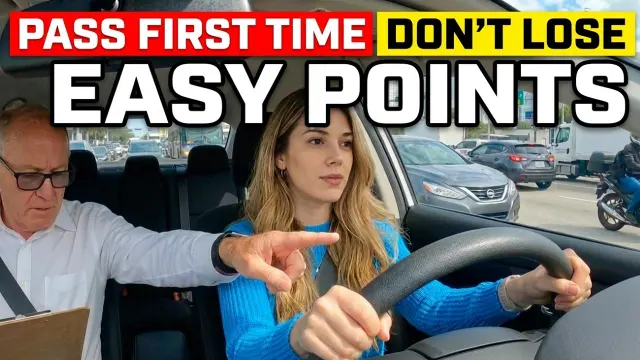
 Common Mistakes That Cost Points on the DMV Road Test
#Lane Changes
1 ideas
Common Mistakes That Cost Points on the DMV Road Test
Get new #Lane Changes ideas by email
Every Thursday: the week's best ideas, with the newest from #Lane Changes.
Related tags
Lane Changes: A Calm, Step-by-Step Guide
A lane change is simply the move you make when you take your vehicle from one marked lane of traffic into the one beside it. It sounds almost too ordinary to think about, and that is exactly why it deserves a little attention: it is one of the few routine manoeuvres where you are deliberately entering space that another driver may already be moving into.
Lane changes exist because roads are shared. You change lanes to overtake a slower vehicle, to position yourself for a turn or an exit, to let traffic merge in, or to give yourself room around an obstacle. On a motorway the lane you choose often decides how smoothly your whole journey goes.
The sequence that keeps you safe
Most driving traditions teach the same handful of steps, in the same order, and the order matters more than the speed.
Read more
Start with your mirrors to see what is behind and beside you. Then signal, early enough that the drivers around you have time to react but not so early that it becomes meaningless. Then check over your shoulder in the direction you intend to move. Mirrors leave gaps at the sides of the car; a brief glance fills them. Only then do you steer gently across, keeping your speed steady, and cancel the signal once you are settled.
Matching the traffic around you
A lane change should not force anyone to brake. Before you move, ask whether the space you are aiming for is genuinely free and whether your speed fits it. Joining a faster lane slowly, or a slower lane too quickly, creates the kind of surprise that causes trouble. Gentle steering, steady speed and enough room ahead are what make a change feel invisible to everyone else.
Where it gets harder
Blind spots are the classic trap — the area a mirror does not show, especially on the side away from the driver. Long vehicles, vans and motorcycles can sit there unnoticed. Multi-lane roads ask more of you too: if you are moving across two lanes, treat it as two separate changes rather than one diagonal sweep. On busy stretches, watch for drivers who drift between lanes without signalling.
Habits worth building
- Look further ahead than the car in front, so you plan a change instead of reacting to one.
- Never change lanes inside an intersection, on a bend, or where road markings tell you not to.
- If someone is already in the space you wanted, let them go. There will be another gap.
- Keep your indicators clean and working; a signal nobody sees is no signal at all.
If you are learning, practise on quiet roads at modest speeds until the sequence feels automatic. The goal is not a fast lane change — it is one the drivers around you barely notice.
#Lane Changes: frequently asked questions
What is the right way to start a lane change?
Begin with your mirrors so you know what is behind and beside you, then signal early enough that people around you have time to react. Follow it with a quick glance over your shoulder in the direction you intend to move, and only then steer gently across while holding a steady speed. Cancel the signal once you are settled.
What should I check before moving into the next lane?
Ask yourself whether the space you are aiming for is genuinely free and whether your speed matches the traffic already there. A good change never forces anyone to brake or swerve, so if it would, wait for a better opening.
Why look over my shoulder when the mirrors already show the road?
Mirrors leave gaps along the sides of the car, and that is exactly where a long vehicle, a van or a motorcycle can sit unnoticed. A brief shoulder check fills in what the mirror misses, which is why it belongs in the sequence rather than being skipped when you are in a hurry.
How do I deal with a road that has several lanes?
Cross them as separate moves rather than drifting diagonally across in one sweep, rechecking each time before you commit. On busy stretches also watch for drivers who wander between lanes without signalling, and give them room rather than assuming they will hold their line.
What mistakes should I avoid when changing lanes?
The usual ones are signalling late or not at all, moving across inside an intersection or on a bend, and pushing into a gap someone else is already taking. If another driver is already there, let them go and wait for the next opening instead of insisting on yours.
How can a newer driver get comfortable changing lanes?
Practise on quiet roads at modest speeds until the mirror, signal, shoulder-check routine feels automatic rather than something you have to think through. Look further ahead than the car in front so you are planning a change well before you need it, and keep your indicators clean and working, since a signal nobody sees does nothing.
Videos come from YouTube and posts from Instagram; titles and summaries are our own. All rights belong to their creators.