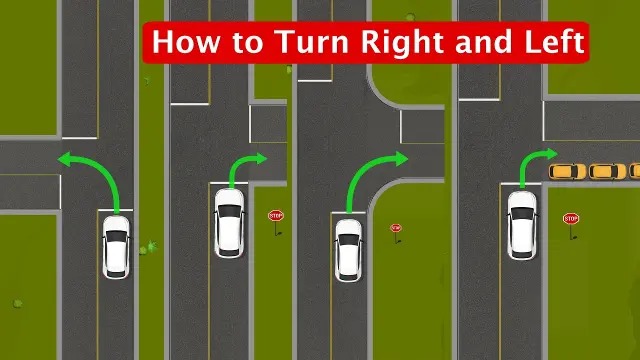
 Turning Right and Left Safely at Different Intersections
#Turning Technique
2 ideas
Turning Right and Left Safely at Different Intersections
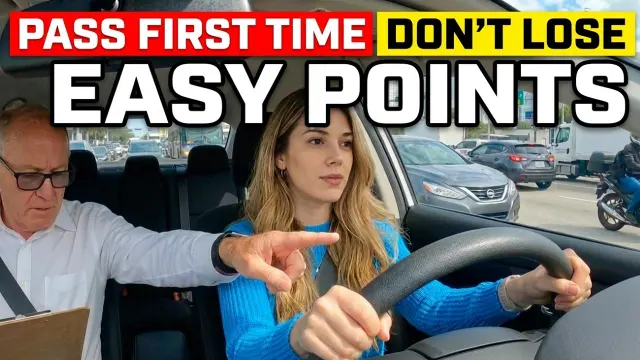 Common Mistakes That Cost Points on the DMV Road Test
Get new #Turning Technique ideas by email
Every Thursday: the week's best ideas, with the newest from #Turning Technique.
Related tags
Turning Technique: Steering Smoothly and Safely
Turning looks like the simplest thing you do behind the wheel, and it is also where small habits decide whether a manoeuvre feels calm or clumsy. A good turn is not one big movement of the wheel; it is a short sequence of preparations, decisions and small corrections that all happen before and after you actually rotate your hands. Learn the sequence and the steering takes care of itself.
Start long before the corner
Most turning problems begin well ahead of the junction. As you approach, check your mirrors early, decide which lane you need, and signal in good time so that everyone around you knows your intention before you begin to slow. Reduce speed gently and steadily rather than braking late, and leave yourself enough room to look twice. Aim to arrive at the corner already travelling at the pace you want to turn at, with the correct gear selected if you drive a manual. A driver who arrives slow and prepared has far more attention left for the turn itself.
Choosing your position
Read more
Position is the quiet foundation of every turn, and it follows one simple pattern: you turn from the side of the road you are turning towards. Where traffic keeps left, that means keeping close to the left-hand edge or kerb for a left turn, and close to the centre line for a right turn so that you are lined up to cross oncoming traffic without swinging wide. Where traffic keeps right, the two simply swap: right turns hug the right-hand edge and left turns sit near the centre line. Get into the correct lane early rather than drifting across at the last moment, and if you find yourself in the wrong lane, continue and find a safe way round instead of cutting across. On multi-lane roads, follow the markings and any arrows, because they tell you which lane feeds which exit.
Steering through the curve
Use a smooth, continuous input and let the wheel return by itself as the road straightens. Pulling the wheel further than needed forces you to correct afterwards, which is what makes a turn feel wobbly. Keep both hands on the wheel in a position that lets you reach around without crossing your arms awkwardly, and keep your eyes up and looking towards where you want to end up, not down at the bonnet. Your hands tend to follow your eyes.
Common habits worth breaking
- Braking in the middle of the turn, which unsettles the car and can surprise a driver behind you.
- Turning too wide into the neighbouring lane, or cutting the corner so tightly that you mount the kerb.
- Forgetting to check blind spots and mirrors before and after the turn.
- Rushing to accelerate out of the corner before the wheel is straight again.
- Signalling late, or leaving the indicator on afterwards.
Finishing well
A turn is complete when you are straight in the correct lane at a sensible speed, indicator cancelled, mirrors checked and ready for the next decision. Practise deliberately: pick a quiet junction and rehearse the same approach, position, steer and finish until it feels unhurried. Smoothness is not a gift — it is what preparation looks like from the outside.
#Turning Technique: frequently asked questions
How do I start learning to turn smoothly?
Begin by treating the turn as a sequence rather than a single movement: check mirrors, choose your lane, signal early, then slow down gently so you arrive at the corner already travelling at the pace you want to turn at. Practise on a quiet junction and repeat the same approach, steering input and finish until it feels unhurried. Preparation is what makes a turn look smooth from the outside.
What should I do before I actually turn the wheel?
Look well ahead of the junction, check your mirrors and blind spots, and make your intention clear with an early signal so people around you can react in good time. Ease off the speed steadily instead of braking late, and select the gear you will need if you drive a manual. Arriving slow and prepared leaves you far more attention for the turn itself.
Which lane position should I take for a turn?
The pattern is simple: you turn from the side of the road you are turning towards. Where traffic keeps left, left turns stay close to the left edge and right turns sit near the centre line; where traffic keeps right, the two swap. Move into the correct lane early, and if you end up in the wrong one, carry on and find a safe way round rather than cutting across.
How do I steer through a curve without the car feeling wobbly?
Use one smooth, continuous input and let the wheel unwind by itself as the road straightens, rather than pulling it further than the corner needs. Keep your eyes up and looking towards where you want to end up, because your hands tend to follow your gaze. Extra steering forces you to correct afterwards, and that correction is what makes a turn feel clumsy.
What are the most common turning mistakes?
Braking in the middle of a turn, swinging wide into the next lane, cutting the corner too tightly, and accelerating out before the wheel is straight are the usual culprits. Late signalling or leaving the indicator on afterwards also confuses everyone nearby. Most of these disappear once you slow down earlier and finish the turn properly in the correct lane.
How do I know when a turn is finished?
A turn is complete once you are straight in the right lane at a sensible pace, the indicator is cancelled and you have checked your mirrors again. From there you are simply ready for the next decision. Rehearsing that full sequence, including the finish, is what turns a nervous manoeuvre into a routine one.
Videos come from YouTube and posts from Instagram; titles and summaries are our own. All rights belong to their creators.