 Step-by-Step Guide on How to Get Your FAA Part 107 Drone License
#Licensing
10 ideas
Step-by-Step Guide on How to Get Your FAA Part 107 Drone License
 Real Estate Property Ownership and Land Use Practice Test
 Difference Between LSW And LCSW In Social Work Licensing
 A Guide to AI Data Licensing for Business Owners
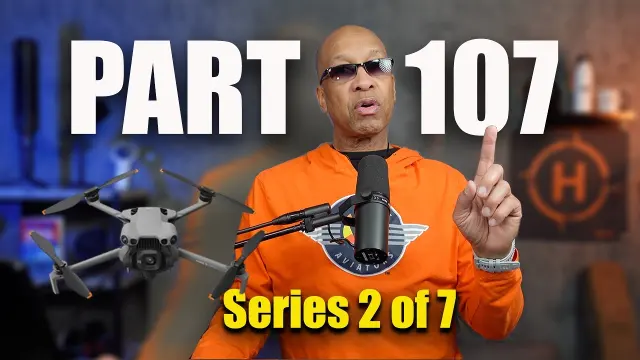 FAA Part 107 Drone License Airspace and Weather Study Guide
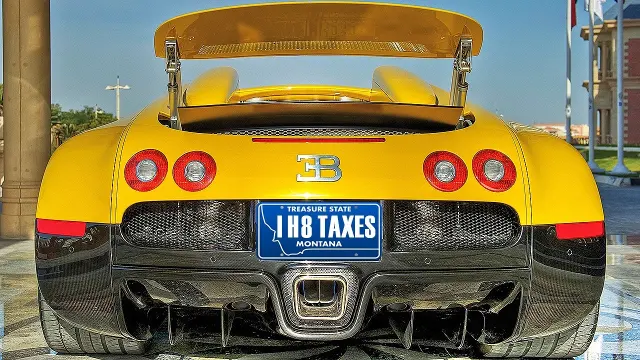 The Montana License Plate Loophole Explained
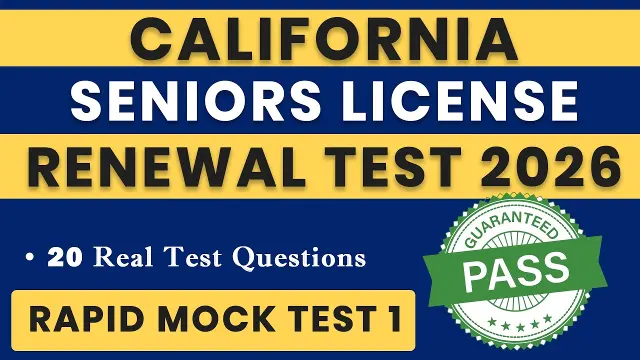 California Seniors License Renewal Written Practice Test
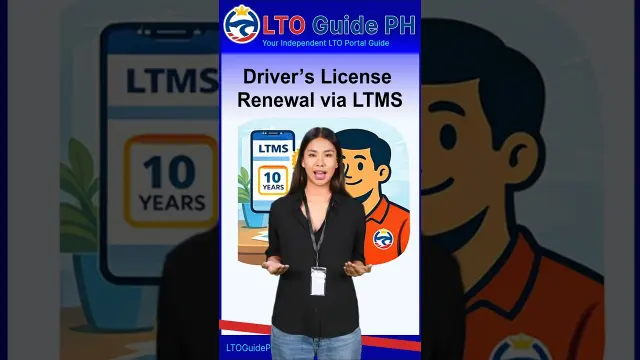 Step-by-Step Guide to Driver's License Renewal Using the LTMS Portal
 Legal Breakdown of a Driver Refusing to Show a License
 The History of When America First Introduced Driver's Licenses
Get new #Licensing ideas by email
Every Thursday: the week's best ideas, with the newest from #Licensing.
Related tags
Licensing Explained: What It Means and Why It Matters
Licensing is a formal permission to use, make, sell, or do something under specific terms. It appears in many areas of life, from professional work and business to creative content, property, and technology. At its core, licensing helps define who is allowed to do what, and under what conditions.
What licensing means
A license is usually an agreement between two parties. One side gives permission, and the other side agrees to certain rules. Sometimes the permission is granted by a public authority, such as for driving, practicing a regulated profession, or operating a business. In other cases, it is granted by a private owner, such as when a person or company allows someone else to use a photograph, a design, a brand, or a piece of music.
Licensing is used to protect rights, maintain standards, and control how something is used. It can also create clear expectations and reduce disputes.
Read more
Common kinds of licensing
Licensing takes many forms, depending on the subject.
- Professional licensing: required in some fields to show that a person meets certain standards of training or competency.
- Business licensing: permission needed to operate a business in a particular place or industry.
- Intellectual property licensing: permission to use creative or branded work, such as a name, image, song, or invention.
- Software licensing: the terms that explain how a program may be installed, shared, or used.
- Real estate and land-use licensing: permissions related to property use, occupancy, or development in specific situations.
Each kind serves a different purpose, but all licensing is about setting boundaries and conditions.
Why licensing is used
Licensing can protect the public, the owner, and the user. For the public, it can help ensure safety, quality, or accountability. For the owner, it can preserve control over how something is used. For the user, it can provide legal access and clearer rights.
It can also support trade and collaboration. A license may let one person use something valuable without needing to own it outright, which can be practical in many settings.
What to know before agreeing to a license
If you are dealing with a license, it helps to read the terms carefully. Pay attention to what is allowed, what is restricted, how long the permission lasts, and whether it can be transferred or renewed. Some licenses are broad, while others are very limited.
You should also understand that licensing is not always the same as ownership. A license may give you permission to use something, but not the right to claim it as your own. In many cases, the details matter more than the label.
Practical tips
- Keep a copy of any license or agreement you rely on.
- Check whether the permission is limited by time, place, or purpose.
- Make sure you know whether fees, renewals, or reporting are required.
- If you are unsure, ask for clarification before using the licensed item or service.
Licensing is one of the basic ways that rights, responsibilities, and permissions are organized. Once you understand it, you can handle agreements more confidently and avoid common misunderstandings.
Videos come from YouTube and posts from Instagram; titles and summaries are our own. All rights belong to their creators.