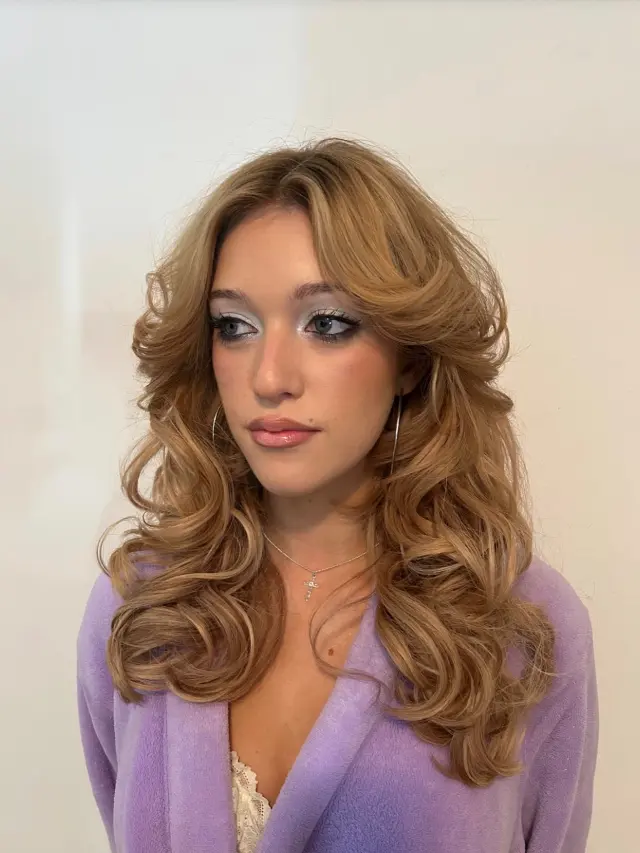
 Makeup Artist Revisits a 2004 Look With Classic MAC Lipglass
#MAC Cosmetics
5 ideas
Makeup Artist Revisits a 2004 Look With Classic MAC Lipglass
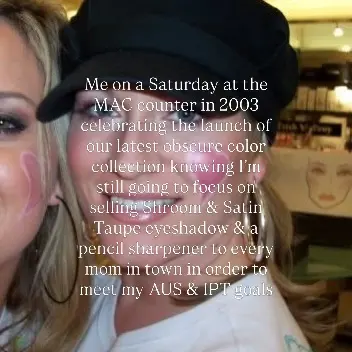 Archived MAC Cosmetics Makeup Look
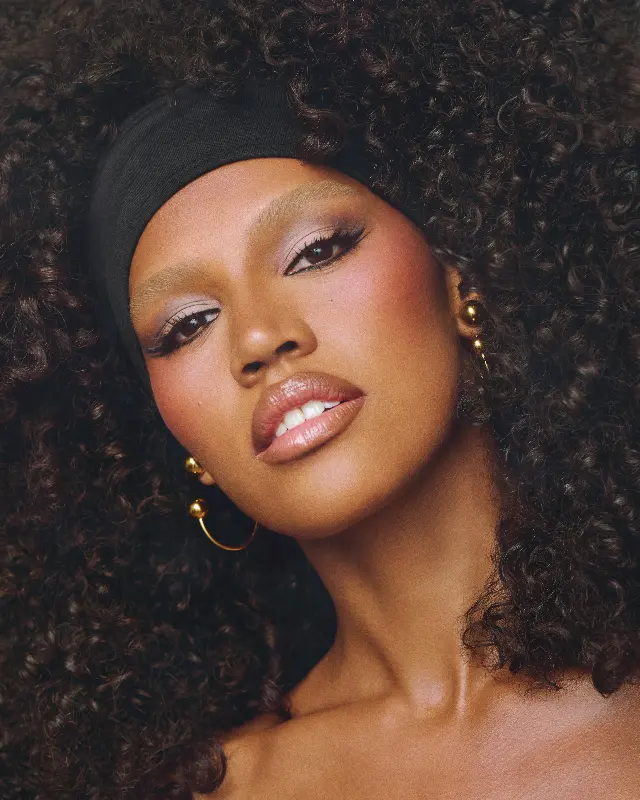 Beauty shoot makeup look built from MAC, Danessa Myricks and Huda Beauty
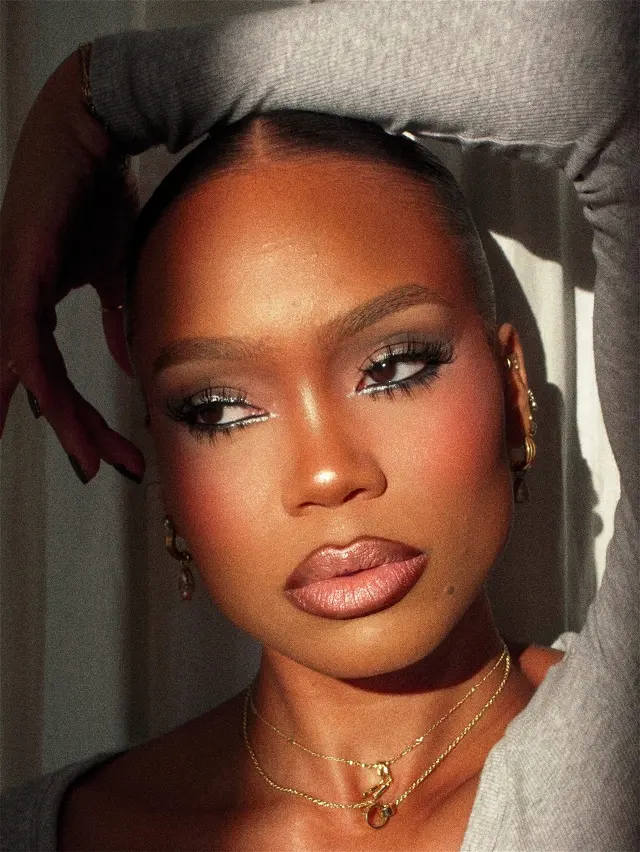 Nineties-Inspired Glam Look with a Full Product Breakdown
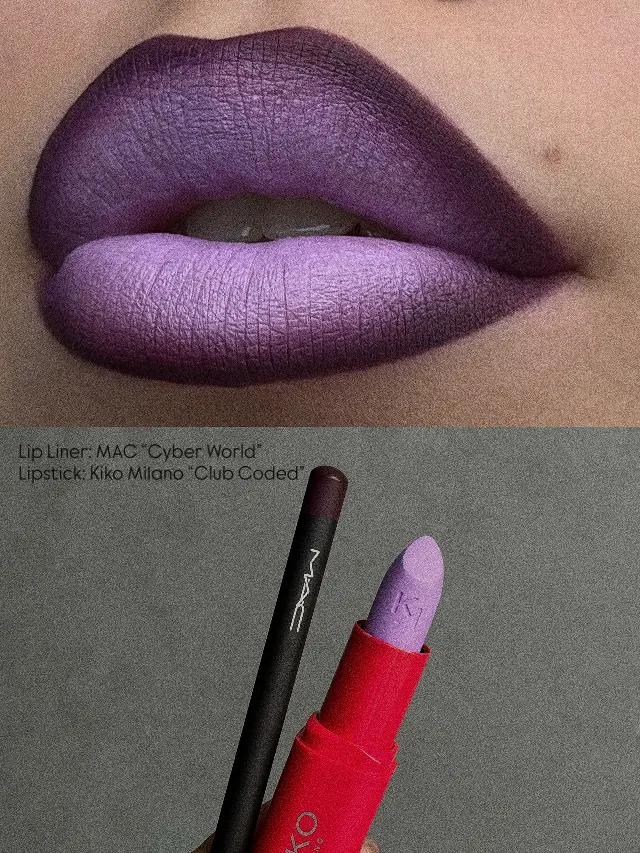 Purple Lipstick Combinations for a Seasonal Look
Get new #MAC Cosmetics ideas by email
Every Thursday: the week's best ideas, with the newest from #MAC Cosmetics.
Related tags
MAC Cosmetics: A Guide to Professional Makeup Artistry
MAC Cosmetics is a makeup brand that grew out of the world of professional artistry rather than the traditional beauty counter. It was built around the needs of makeup artists working backstage, on sets and at shoots: products that had to perform under strong light, survive long hours and work on many different skin tones at once. That origin still shapes how the brand is talked about today — as a kit brand, chosen for pigment, range and reliability rather than for a single signature look.
What the brand is known for
The house style is confident and colour-led. Deeply pigmented lipsticks, matte and satin finishes, sculpted skin and strong eyes are the vocabulary most people associate with it. Because the range is wide, MAC is often where people go looking for a shade that is hard to find elsewhere, or for a texture — a true matte, a frost, a glossy stain — that behaves the way a professional needs it to.
Why the hashtag is so varied
Read more
Look through the tag and you will see two very different kinds of post sitting side by side. One is the full breakdown: a single look documented product by product, from primer to setting, usually with a note on technique. The other is the experiment — unusual lip combinations, colour blocking, a vintage decade reworked. Both come from the same instinct, which is treating makeup as something to be composed rather than simply applied.
Getting started
- Match your base to your neck, not your hand, and test in daylight. Professional ranges are dense in pigment, so a little goes further than you expect.
- Build in thin layers. Sheer washes of colour can be layered up; a heavy first application is much harder to correct.
- Keep a clean, small brush set rather than a large one. A flat shader, a blending brush and a small detail brush cover most looks.
- For a statement lip, line and fill with a pencil first, then apply colour over it. This is the trick behind most long-wearing, sharply edged lip posts.
- Set cream products with a light powder only where you need them to stay. Over-powdering flattens the finish that made the product worth choosing.
A word on technique
The most useful thing you can take from artist-led makeup is the order of work: skin first and thin, colour last and deliberate. Decide which single feature the look is about, give it the strongest colour, and keep everything else quiet. That principle holds whether you are recreating a nineties nude-brown mouth or a purple lip for an evening out, and it will still hold when the specific shades have changed.
#MAC Cosmetics: frequently asked questions
How do I start a MAC Cosmetics makeup look if I’m new to the brand?
Start with one feature you want to stand out, then keep the rest of the face softer. Use thin layers, test your base in daylight, and build color gradually so the finish stays polished rather than heavy.
What products do I need to create a simple MAC-inspired look?
A good base product, a lip pencil, a statement lip color, and a few basic brushes are enough to begin. A flat brush, a blending brush, and a small detail brush can handle most everyday and occasion looks.
How do I choose the right MAC Cosmetics shade or finish?
Choose the shade that suits your undertone and the effect you want, then decide whether you want matte, satin, glossy, or something more luminous. MAC is known for strong pigment and a wide shade range, so it helps to think about both color and texture before buying.
What is the best way to care for MAC makeup so it performs well?
Keep products closed tightly, store them away from heat, and use clean brushes so the formula stays fresh and easy to apply. When applying, use light layers and only set cream products where needed so the finish does not look dull.
What are common mistakes people make with MAC Cosmetics looks?
A common mistake is using too much product at once, which can make a bold formula harder to blend or correct. Another is over-powdering, which can flatten the skin finish and take away the rich texture that makes the look stand out.
Videos come from YouTube and posts from Instagram; titles and summaries are our own. All rights belong to their creators.